



How New England’s Coastal Climate Impacts Exterior Painting & Staining: What South Shore Homeowners Should Know
Posted on November 10, 2025



If you’ve lived on the South Shore or anywhere near the Boston coast for long, you know our Northeast climate doesn’t make it easy on our homes. Salt air, freezing winters, hot, humid summers all take a toll on your home’s exterior paint. And while paint and stain protect your home, the proper prep, products, and timing are what keep it looking fresh year after year.
1. Salt Air and Coastal Exposure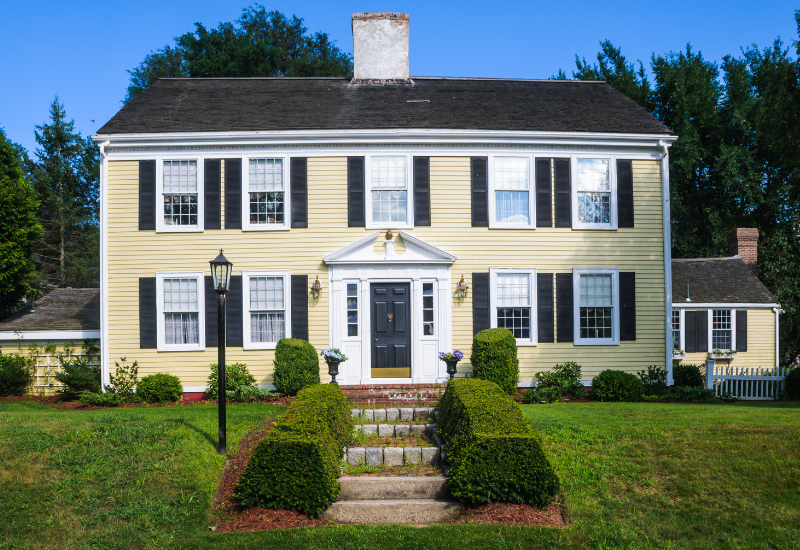
For homes near the ocean, from Quincy to the Cape, the constant exposure to salt air, wind, and rain coming off the ocean is almost like having your home constantly power washed. This type of constant pressure on your home’s shingles and clapboards will degrade the paint or stain much faster than homes inland.
2. Freeze–Thaw Cycles
Boston-area winters are harsh on wood. When temperatures jump above freezing during the day and drop again at night, any trapped moisture in wood or brick expands and contracts. That movement cracks paint and opens gaps in caulking. Flexible, elastomeric coatings and modern sealants can move with the surface, keeping water out and your paint intact.
3. Humid Summers and Mold Growth
Late summer humidity can lead to the growth of mildew and mold, especially on shaded areas of the house and around trim. Choosing paints with built-in mildew prevention helps, but so does maintenance: washing your home once a year with a gentle cleaning solution can prevent spores from setting in. Cutting back trees and bushes near your home to allow more sunlight will help as well.
4. Historic Homes and Older Wood
Much of the South Shore’s housing stock — Capes, Colonials, and Federals — dates back decades, and even centuries. Older wood on clapboards and trim is softer and more absorbent. It needs breathable coatings that allow moisture vapor to escape. Stain that penetrates into wood (vs. paint that sits on top) will help keep the wood protected from the inside out.
5. Timing Matters
Painting in New England is a seasonal sport. Exterior work typically runs from late April through October, depending on temperature and dew point. Paint cures best between 50°–85°F and in dry conditions. If you push too late into fall or start too early in spring, moisture in the air or on the surface can compromise adhesion. CertaPro Painters will never risk painting in temperatures that are too cold, and our field staff carry moisture meters to ensure we are never painting in conditions that are too wet.
6. The Right Products for New England Weather
Not all paints and stains are created equal. For South Shore homes, look for 100% acrylic paints rated for coastal or high-moisture conditions — or better yet, a high-quality stain like Sherwin-Williams Woodscapes.
7. Regular Maintenance Keeps Paint Jobs Lasting Longer
A well-maintained exterior paint job for a home directly on the Atlantic Ocean in our region should last 3–7 years, provided it receives proper upkeep. Keep shrubs trimmed away from siding, clean your gutters, and inspect high-exposure areas (like window sills and fascia boards) every spring. Small touch-ups can prevent large-scale repainting and staining later.
Bottom Line
Painting in coastal New England isn’t just about using historic colors — it’s about preparation, protection, and timing. When you work with professionals who understand South Shore weather patterns and materials, your paint job doesn’t just look beautiful, it actually lasts.
If you’re considering repainting your home this year, we’d be happy to walk you through the best products and timing.
Call us: (781) 585-7246
Email: [email protected]
We’re happy to answer your questions, even if you’re doing the project yourself.

