



Painting & Maintaining Outdoor Living Spaces: What Homeowners Should Know:
Posted on January 12, 2026



Outdoor living spaces have become an extension of the home, with decks, pergolas, gazebos, outdoor kitchens, farmers’ porches, and screened porches all deserving the same attention as your interior rooms. But unlike your living room walls, these spaces take a beating from sun, rain, salt air in coastal towns, and seasonal temperature swings. Choosing the right coatings and maintenance plan can double the life of your investment.
Here are some practical tips for maintaining the appearance of your outdoor wood structures year after year.
Know Your Wood Type
Different woods behave differently outdoors, and the finish that works beautifully on one surface may fail quickly on another.
- Pressure-treated pine:
- Must dry completely before painting or staining (can take weeks or months).
- Painting too soon traps moisture, leading to peeling or blistering.
- Semi-transparent stains penetrate better than solid paints for long-term protection.
- Cedar and redwood:
- Naturally resistant to rot and insects.
- Paint can block its ability to “breathe,” so stains or clear sealers are better.
- If painting for color uniformity, use an oil-based primer designed for tannin-rich woods to prevent bleed-through.
- Pressure-treated pine:
- Mahogany:
- Mahogany decks and porches are staples of homes across the South Shore and Boston area.
- They tend to need staining every 2 years to remain protected and looking nice.
- Sun tends to fade the stain of the deck floors quicker than the railings – this means staining the deck flooring every 2 years if it is in the sun and not covered by shade
- Very light powerwashing can keep algae, mold and mildew from turning the deck green (you’ll notice this growth more prominently in shaded areas such as beneath grills and furniture)
- Composite or engineered lumber:
- It requires less maintenance, but it can fade over time. Using a material like Trex can eliminate the frustrating “every-two-year” staining cycle typically required for wood deck tops.
- Light scuff-sanding and a bonding primer ensure paint adhesion when you are refreshing the color.
- If you drip paint on a composite deck you need to wipe it when it is still wet. If it dries, don’t try to remove it yourself. Call in an expert as using a solvent or chipping away at the paint will very often damage the deck.
- Composite or engineered lumber:
Choose the Right Coating for Your Environment
Not all outdoor coatings are created equal. Where you live makes a big difference.
- Coastal and salt-air regions (i.e. Cohasset, Duxbury, Dartmouth, Hingham, Hull etc.)
- Salt crystals draw in moisture, so look for high-bond acrylic coatings and primers rated for marine or coastal use.
- Avoid alkyd (oil-based) paints, which become brittle under constant humidity.
- Rinse surfaces periodically with fresh water to remove salt buildup.
- Inland and high-UV areas:
- UV rays fade pigments and break down binders.
- Use paints or stains with UV inhibitors or built-in mildewcides.
- Satin or semi-gloss finishes shed dirt and water more effectively than flat sheens.
Prep Makes or Breaks the Job
Most exterior paint failures start with poor preparation.
- Wash away dirt, pollen, and mildew before painting.
- Pollen season hits the South Shore area at the end of May/beginning of June so if you are doing exterior painting or staining, it’s best to ensure the pollen is thoroughly washed off prior to applying a coating.
- Lightly sand glossy or weathered areas for better adhesion.
- Replace loose nails or screws to ensure the structure remains stable. We always recommend stainless steel screws and nails to prevent rust from weakening the screw and spilling rust onto the wood it’s holding together.
- Never paint over wet or damp wood and check with a moisture meter if you’re unsure. All CertaPro Painters’ field staff use moisture meters to ensure the substrate is dry enough to coat.
Closing Up an Outdoor Kitchen for Winter
On the South Shore and in the Boston area, it’s important to take a few preventive steps to save major headaches come spring. Many of our clients with in-ground pools handle this at the time they close their pool for the winter.
- Shut off and drain plumbing lines: Disconnect water supply lines and open faucets to prevent freeze damage. Do the same for your outdoor showers and spigots.
- Clean all surfaces: Remove grease, food residue, and standing water — these attract pests and cause corrosion.
- Protect appliances: Unplug electrical units and cover grills, refrigerators, and sinks with breathable, water-resistant covers, not tarps.
- Store cushions and décor indoors: Fabrics and wicker crack or mold if left exposed to cold or damp conditions.
- Seal countertops and stone: Apply a penetrating sealer to granite, concrete, or tile to prevent moisture absorption and frost cracking.
- After you seal let it cure and then cover with a breathable, weather-rated cover, not a tarp.
- Many people hire an expert to handle this for them.
- Check coatings: If the cabinetry or structures are made of painted or stained wood, touch up now, as exposed edges absorb water from snow and ice over winter, causing early paint failure.
Maintenance Matters
Even the best products need upkeep. A small annual effort prevents major repairs later.
- Every Spring: Inspect for peeling, cracks, or loose boards; spot-sand and touch up as needed. Spring painting season starts around mid-March to April on the South Shore and in the Boston area – painting. Coating anytime earlier than this and you run into the weather being too cold and damp.
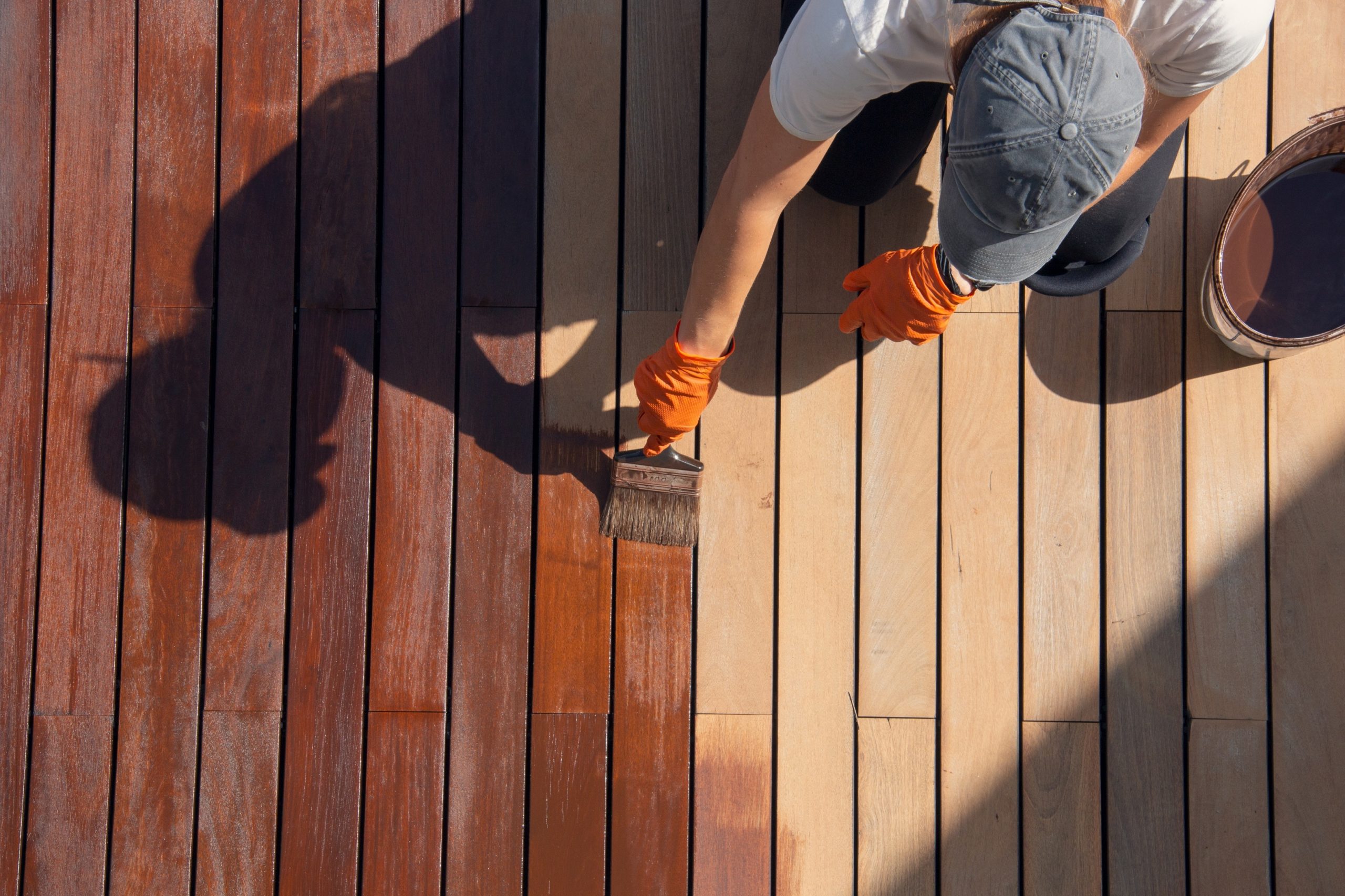
- Every 2–3 Years: Power-wash gently, on the lightest setting, and apply a maintenance coat of stain or sealer. This is especially important on faded areas like deck and porch tops that are in the sun or outdoor features like pergola roofs, which take a beating even if they are hard to see.
- Every 5–7 Years: Full repainting or re-staining may be required, depending on exposure and product quality. This can be done simultaneously with painting the rest of your home.
- Keep shrubs and vines trimmed away from structures to reduce trapped moisture. Shade causes mold and mildew growth on decks and shingles and vines can cause damage to the home.

When in Doubt, Call CertaPro Painters
Outdoor structures are exposed on all sides — sunlight, moisture, and foot traffic make them more complex than typical house siding. At CertarPro Painters of the South Shore and Boston, we can evaluate substrate moisture, recommend coatings tailored to your climate, and ensure proper preparation for maximum durability.
If you have any questions, email Dominic at [email protected]. We’re happy to answer your questions, even if you’re working on the project yourself.

