




How to Cover Dark Paint Colors
Posted on August 27, 2026
Dark paint colors can bring depth, character, and drama to a room. Deep navy, forest green, burgundy, charcoal, and black can completely transform an interior. Sometimes, though, you may be ready for something lighter.
Fortunately, choosing a dark paint color doesn’t mean you’re committed to it forever. Dark walls can be successfully covered with white, cream, beige, and other lighter shades. The key is preparing the surface properly and creating a solid foundation for the new color.
Simply rolling light paint directly over a dark wall may leave you with uneven coverage or traces of the old color showing through. A few extra steps at the beginning of the project can help you achieve a smoother, more consistent finish.
Whether you’re refreshing a single accent wall or transforming an entire room, the right approach can help you achieve a smooth, consistent coverage with your lighter color.
Key Takeaways:
- Proper preparation and priming can help prevent the old paint color from shining through the new paint finish.
- Remove dirt, dust, imperfections, and uneven surfaces before painting. Sanding is not necessary, but can be helpful if the surface is glossy, rough, patched, or damaged.
- Primer is especially important for dramatic color changes. It helps create a more uniform base and can improve coverage when transitioning from deep colors to light ones.
- Most dark-to-light transformations require multiple finish coats rather than one heavy application. Make sure to give proper drying time between coats.

Can You Paint a Light Color Over a Dark Color?
In short, yes! You can paint a lighter color over dark paint. However, the greater the difference between the two colors, the more important preparation becomes.
Going from a medium gray to a light greige, for example, will generally be less challenging than covering a black or burgundy wall with bright white. Deeply saturated hues can show through lighter paint if there isn’t enough coverage.
You also should not expect the first coat of finish to provide perfect coverage. A dramatic color transformation will typically require primer followed by multiple properly applied coats of your new color.
4 Steps to Paint Your Walls a Lighter Color
The process for painting over a dark wall isn’t dramatically different from any other interior painting project. The biggest difference is the amount of attention you’ll want to give to preparation and coverage.
Following these four steps can help make the transition from dark to light much smoother.
1. Clean the Walls
Before you open a can of primer or paint, you’ll want to start with a clean surface. Walls naturally accumulate dust, fingerprints, grease, and other residue over time. Kitchens, hallways, children’s rooms, and areas around doors and light switches can be particularly prone to buildup.
Remove dust and cobwebs before cleaning areas with visible dirt or residue. Fix any nicks or chips in the wall at this point, too. Once all repairs are made, allow the walls to dry completely before beginning the next stage of preparation.
Cleaning may seem like a small step, but paint adheres best to a clean, dry surface. Starting here gives the primer and paint a better foundation for the rest of the project.
2. Prime the Walls
Primer is especially important when making a dramatic color change.
Applying primer over dark paint creates a more uniform base for the lighter color that follows. Instead of asking your paint to conceal a deep navy, red, green, or charcoal on its own, you’re first reducing the influence of the existing shade.
White primer is commonly used when transitioning to white or another very light color. However, a tinted gray primer may be appropriate for certain projects depending on the existing and new colors.
Don’t be concerned if you can still detect some of the original color after the primer dries. Primer doesn’t necessarily need to make the wall look perfectly white. Its job is to prepare the surface and create a more consistent base for the following coats of paint.
3. Choose High-Quality Interior Paint
When you’re trying to cover a dark wall with a light color, paint quality matters.
Higher-quality interior paints generally offer better hide and more consistent coverage, which can be particularly useful when the new and existing colors are dramatically different.
You’ll also want to choose the appropriate paint sheen for the room. Flat and matte finishes are often used in lower-traffic living spaces, while satin finishes offer additional durability for areas that receive more regular use. Kitchen, bathrooms, trim, and other surfaces may have different requirements.
The new color itself will also affect coverage. The more dramatic the transition, the more carefully you’ll want to approach priming and application.

4. Paint in Thin, Even Coats
Once your primer has dried, it’s finally time for the new color.
Begin by carefully painting in and around the tough areas. Trim, windows, doors, corners, and other areas can be especially tricky. Once these are taken care of, you can use a roller to cover the larger wall surfaces.
There is no need to apply extra-thick coats to hide the paint color underneeds. Thick paint can actually dry unevenly and can create unwanted drips, texture, and other imperfections.
Many dramatic dark-to-light transformations will require at least two coats after priming, though the exact amount depends on the colors, products, condition of the surface, and overall application. What matters most is achieving a consistent final color across the entire surface.
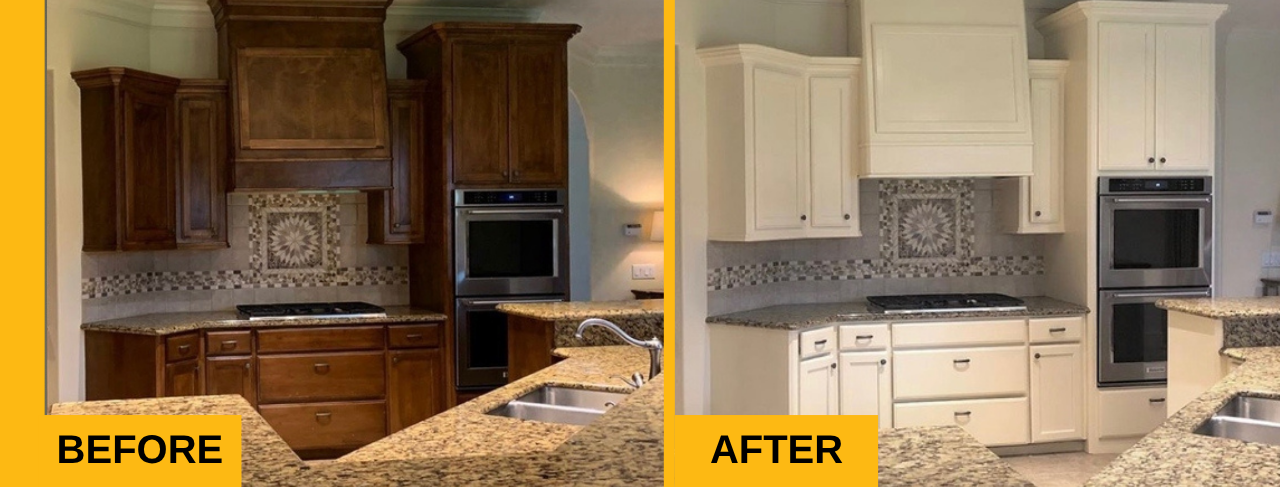
Common Mistakes When Painting Over Dark Colors
Making such a big transformation is not an easy task. One of the biggest mistakes homeowners make when covering dark paint is trying to rush the transformation.
Skipping primer may seem like a way to save time, but it can mean applying additional coats of your desired paint color before the old color is fully concealed. Applying overly heavy coats in an attempt to increase coverage can leave behind an uneven finish.
It is also important to not judge the new color while the paint is still wet. Allow each coat to dry according to the instructions. Then inspect the walls in both natural and artificial light. Give special attention to those difficult-to-paint areas.

Start the Transformation of Dark Walls with a Fresh New Color
Dark walls can make a beautiful statement, but they don’t have to dictate the future of your home. With careful preparation, the right primer, quality paint, and even application, you can successfully transform even a deeply saturated wall with a much lighter color.
If you’re ready for a dramatic color change without tackling the preparation, priming, and painting yourself, CertaPro Painters® can help.
The teams at CertaPro Painters® can prepare your walls and professionally paint your space for a smooth, consistent finish. Whether you’re replacing a single dark accent wall or brightening an entire room, our experienced painters can help you bring your vision to life.
Schedule a free estimate today and transform your dark walls with a fresh, new color.

