



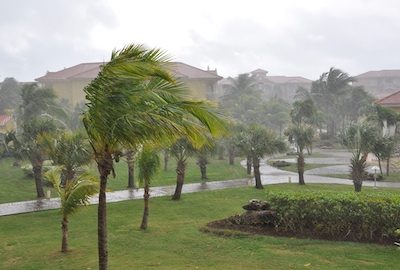
Will Weather Delay Your Exterior Painting Project?
Posted on July 29, 2026
Exterior Project Planning Guide
Will Weather Delay Your Exterior Painting Project?
Rain is only one reason exterior painting may pause. Surface moisture, temperature, humidity, wind, direct sun, and the drying window after application can all change what work is appropriate that day.
What Homeowners Should Know
- A clear sky does not automatically mean a surface is ready for paint.
- Air temperature and surface temperature can differ significantly.
- Drying time after rain, washing, or morning dew varies by material and exposure.
- A weather delay protects the project when conditions fall outside the planned coating system.
Can Exterior Painters Work Today?
The answer may be different for preparation and paint application. A crew might be able to protect landscaping, inspect surfaces, complete appropriate repairs, scrape or sand dry areas, or work on a sheltered elevation even when another part of the project must pause.
Before applying primer or paint, the team considers the product instructions, the surface material, current conditions, and the weather expected during the required drying period. This is why a professional exterior painting project is scheduled around workable windows rather than a calendar date alone.
| Condition | What the Crew Evaluates | Possible Project Decision |
|---|---|---|
| Rain or Wet Surfaces | Surface moisture, material, shade, recent rainfall, washing, and the upcoming forecast | Pause coating application until the surface is appropriately dry |
| Temperature | Air and surface temperatures during application and the required drying window | Adjust working hours, change elevations, or reschedule |
| Humidity or Dew | Drying conditions, overnight lows, condensation risk, and shaded areas | Delay the start or allow more time between coats |
| Wind | Worker safety, debris, overspray risk, and protection of nearby property | Change the application plan or pause exterior work |
| Direct Sun or Heat | Surface temperature and whether the coating may dry too quickly | Follow shade around the home or change the work sequence |
Five Weather Factors That Change an Exterior Painting Schedule
1
Rain, Washing, and Surface Moisture
Wood, stucco, masonry, and shaded areas can retain moisture after visible rain ends. Preparation may include residential power washing, which also requires an appropriate drying period before coating.
2
Air and Surface Temperature
Paint labels define product-specific application conditions. Siding in direct sun may be warmer than the reported air temperature, while shaded surfaces may remain cooler. Crews evaluate the actual surface and the temperatures expected while the coating dries.
3
Humidity, Fog, and Morning Dew
Humidity can slow drying, and condensation can leave a surface damp even without rain. The workday may begin later on some elevations so morning moisture can clear before preparation or application continues.
4
Wind, Debris, and Safe Access
Wind can carry dust, leaves, and pollen onto wet coatings. It can also affect spray control, protective coverings, ladders, and elevated work. A sunny but windy day may still require a change in plan.
5
Direct Sun and Changing Elevations
Conditions vary around the same house. A surface in strong sun may be too warm while a shaded wall remains suitable, or the reverse may be true earlier in the day. Professional scheduling can follow workable elevations as sun and shade move.
Why There Is No Universal “Perfect” Temperature
Different primers, paints, substrates, and application methods have different requirements. Some modern exterior coatings are formulated for wider weather windows, but the product label and project conditions still control. Ask which products are planned and how their application requirements affect the schedule.
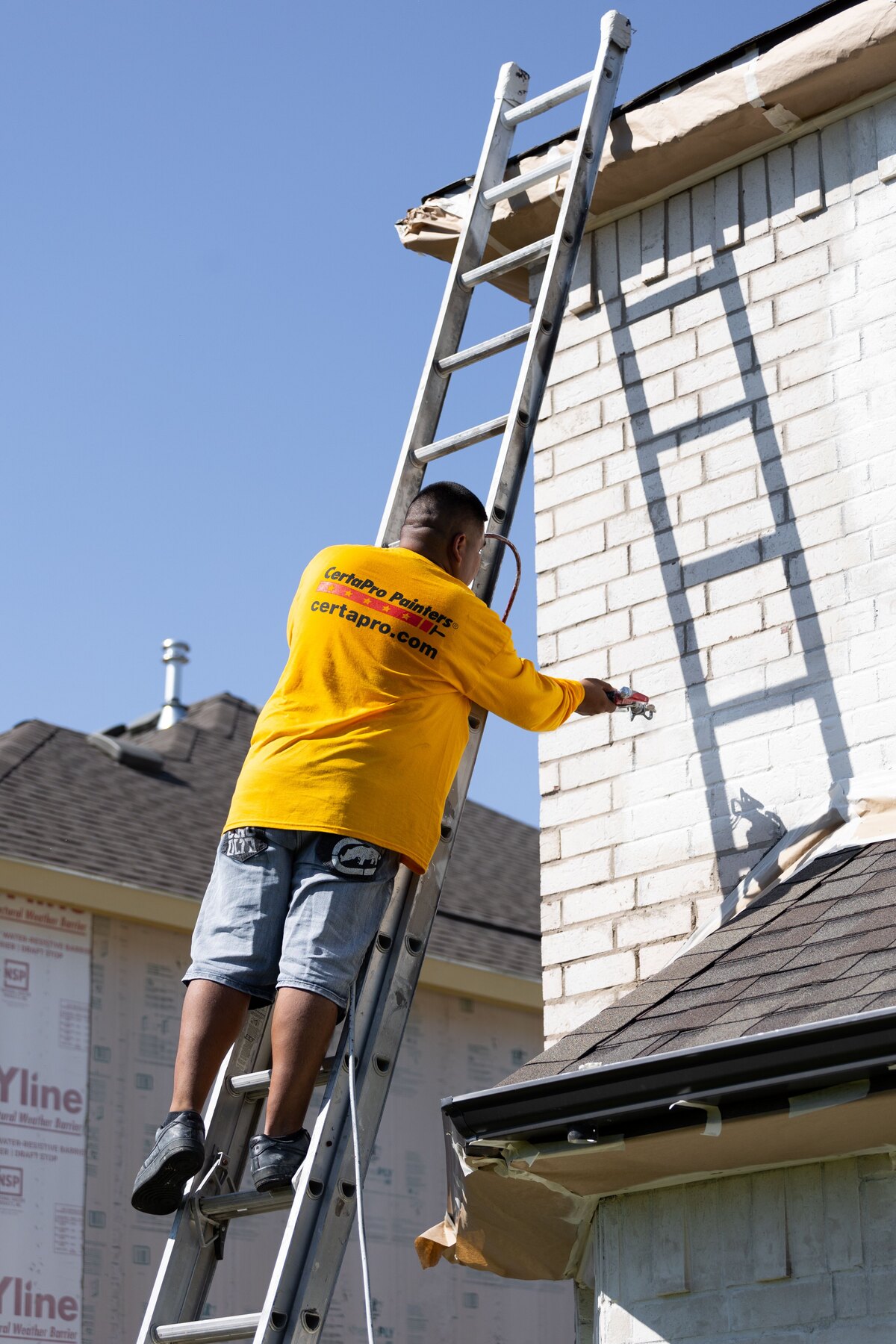
What Happens When Weather Delays Exterior Painting?
1. Conditions Are Rechecked
The team reviews the forecast, surface condition, planned coating, and work that remains.
2. The Work Plan Is Adjusted
Preparation or another elevation may continue, or the project may pause until conditions improve.
3. Surfaces Are Verified Again
Before coating resumes, the team confirms that affected surfaces and the drying window are appropriate.
A delay could last part of a day or longer. The duration depends on the weather event, surface material, sun and shade exposure, preparation completed, and upcoming forecast. Your local team should explain the change and the next review point rather than leaving the schedule ambiguous.
Can a Weather Delay Improve the Final Result?
A delay does not improve paint by itself. Its value is that it prevents application when the planned coating system or surface is not ready. Waiting can reduce the risk of poor adhesion, uneven drying, debris contamination, or moisture-related defects.
If peeling, cracking, fading, or damaged areas are already visible, review the signs that a home may need exterior repainting. Repairs such as stucco painting and repair or light carpentry services may also affect the project sequence.
How to Keep the Project Ready During a Delay
- Keep furniture, grills, planters, and decorations away from work areas.
- Leave protective coverings or equipment in place unless the team says otherwise.
- Keep pets and children away from exterior work zones.
- Confirm access, gates, parking, and any schedule changes.
- Ask whether repairs or preparation can continue safely.
- Keep color and product decisions available so work can resume efficiently.
If the project is part of a larger renovation, use the recommended order for home improvement projects to coordinate painting with repairs, roofing, landscaping, and other work.
Plan an Exterior Painting Project Around Your Home
A local CertaPro Painters® team can review the exterior, discuss preparation and repairs, recommend an appropriate coating system, and explain how seasonal conditions may affect the schedule.
Exterior Painting Weather FAQs
Will an Exterior Painting Project Be Canceled If It Rains?
Not automatically. The team may adjust preparation, work on a different area, delay application, or reschedule depending on surface moisture and the forecast. Ask when conditions will be reviewed again and what work can continue.
How Soon After Rain Can Exterior Painting Resume?
There is no universal waiting period. Drying time depends on the amount of rain, surface material, shade, humidity, airflow, and the coating being applied. The surface and product requirements should be evaluated before work resumes.
Can Exterior Painters Work in High Humidity?
Possibly, but humidity can extend drying time and affect the work sequence. The crew should follow the planned product requirements and consider surface moisture, dew, temperature, and the time available before conditions change.
Can It Be Too Hot to Paint a House Exterior?
Yes. A surface in direct sun can become much warmer than the surrounding air, and paint may dry too quickly. A crew may follow the shade, change elevations, adjust working hours, or pause until the surface returns to an appropriate range.
Does Wind Affect Exterior Painting?
Yes. Wind can affect access safety, spray control, protective materials, drying, and the amount of dust or debris reaching wet paint. The appropriate decision depends on the work method and conditions at the property.
Will a Weather Delay Increase the Painting Estimate?
Weather handling should be discussed in the written project terms. Ask how schedule changes, unforeseen repairs, and change orders are managed before approving the work. For broader decision support, review how to compare professional painting estimates.
Product requirements, services, scheduling, and project conditions vary by independently owned and operated CertaPro Painters® business. The selected coating instructions and written project agreement control the work for a specific property.

