



Signs Your Paint Is Failing in a New Construction Home (And What to Do Next)
Posted on April 27, 2026
Buying a new construction home comes with the expectation that everything is fresh and built to last. But one of the first things many homeowners notice is that the paint doesn’t hold up as long as expected.
If you’re seeing cracks, scuffs, or fading on your walls, you’re not alone. Builder-grade paint is commonly used in new construction homes, and while it looks clean at move-in, it’s not designed for long-term durability. Understanding the difference between builder-grade and premium paint—and knowing what signs to look for—can help you decide when it’s time to repaint.
Key Takeaways
Here’s what you need to know:
- Builder-grade paint in new construction homes often shows wear within 1–3 years
- Cracking, scuffing, and uneven color are early signs of failure
- Upgrading to premium paint improves durability, clean-ability, and long-term appearance
What Is Builder-Grade Paint in a New Construction Home?
Builder-grade paint is a lower-cost product used by contractors to complete homes efficiently. It’s designed for speed and coverage, not long-term performance.
Compared to premium interior paint, builder-grade options typically have:
- Lower pigment levels and thinner coverage
- Reduced resistance to stains and scuffs
- Less flexibility as walls shift and settle
The result is a finish that looks good initially but tends to wear down faster under normal living conditions.
Why Builders Use Builder-Grade Paint in New Homes
The answer comes down to cost and scale. Builders often work on tight timelines and budgets, completing multiple homes at once. Using lower-cost paint helps keep overall construction costs down and allows projects to move quickly.
In most cases, the goal is to deliver a home that looks complete at closing, but not necessarily one that won’t need repainting within a few years. Upgrading to premium paint across an entire development would significantly increase costs.
Is It Normal for Paint to Crack in a New Construction Home?
Yes, especially during the first couple of years.
As a new home settles, materials like wood framing and drywall naturally shift. This movement can cause small cracks to appear around seams, corners, and ceilings.
Even high-quality paint can show minor cracking during this period. However, builder-grade paint tends to make these issues more visible and may not flex as well, leading to more noticeable imperfections.
Common Signs of Builder-Grade Paint Failure
Early paint issues often appear within the first year as a home settles, with more noticeable wear developing over the next 1–3 years. The signs are usually subtle at first but become more obvious over time. Here is what to look out for:
- Cracking: Cracking is one of the most common indicators, especially along drywall seams, ceiling lines, and corners. This is often tied to normal settling but becomes more visible with lower-quality paint.
- Scuffs & Marks: Scuffing and marking are also frequent concerns. Builder-grade paint tends to absorb marks rather than resist them, making it difficult to clean walls without damaging the finish.
- Color Changes: Uneven color or fading may appear in areas exposed to sunlight. Lower-quality coatings often lack the durability needed to maintain consistent color over time.
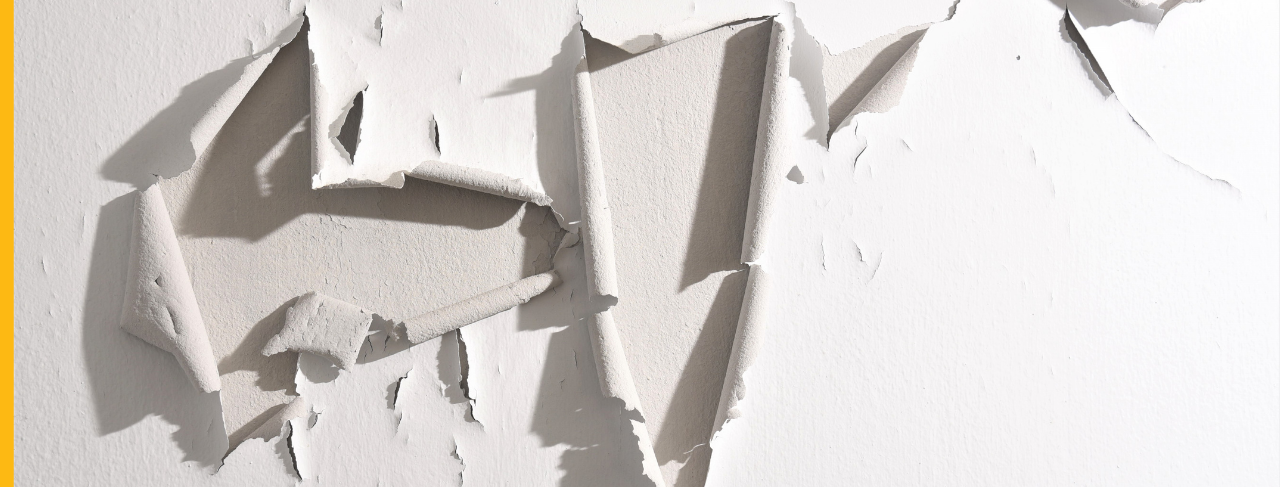
- Peeling & Chipping: In some cases, paint may begin to peel or lose adhesion, particularly in moisture-prone areas like kitchens, bathrooms, and laundry rooms.
How Long Does Builder-Grade Paint Last?
In most new construction homes, builder-grade paint starts to show signs of wear within one to three years.
The exact timeline depends on factors like:
- Daily wear and traffic
- Sunlight exposure
- Humidity and temperature changes
- The quality of the original application
- High-traffic areas like hallways and living spaces tend to show wear the fastest.
What to Look for During Your First Year
Catching early signs of paint failure can help you plan ahead. Pay close attention to corners, ceiling lines, and door frames where movement is most noticeable. These areas often show the first signs of cracking.
You should also monitor how easily walls clean. If marks don’t come off without removing paint, it’s a sign the coating lacks durability. Subtle differences in sheen or patchiness can also indicate early wear or inconsistent coverage.
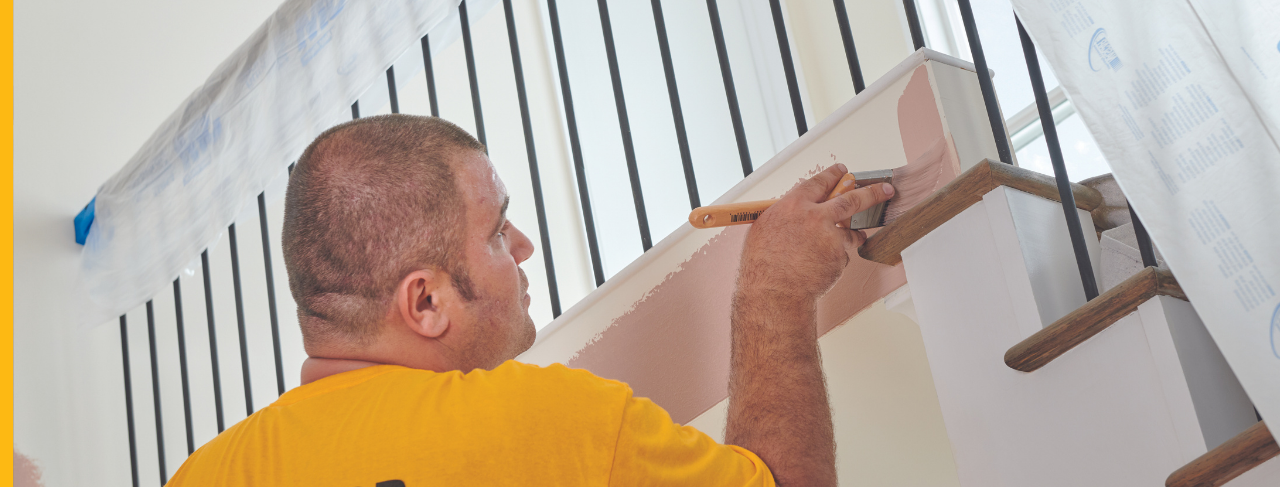
Builder-Grade Paint vs. Premium Paint: What’s the Difference?
The main difference comes down to performance.
Premium paint offers:
- Better coverage and richer color
- Increased durability and resistance to scuffs
- Improved washability for everyday cleaning
- Greater flexibility to handle minor surface movement
While builder-grade paint serves its purpose initially, premium paint is designed to last under real-world conditions.
For homeowners comparing options, interior products from Sherwin-Williams provide higher-performance coatings commonly used in professional repaints.
When Should You Repaint a New Construction Home?
Repainting usually makes sense once signs of wear become noticeable or start affecting how your home looks and feels.
For many homeowners, this falls within the first few years of ownership. Repainting at that point allows you to correct settling-related imperfections and upgrade to a more durable finish. It’s also an opportunity to choose colors that better reflect your style, rather than sticking with builder-selected neutrals.
The Long-Term Value of Repainting
Upgrading from builder-grade to premium paint isn’t just about aesthetics. It improves how your home functions day to day.
Walls become easier to clean, finishes hold up longer, and the overall appearance stays consistent over time. Proper prep—like repairing cracks and smoothing surfaces—also ensures the new paint performs as intended.
A Better Finish for the Next Phase of Your Home
Paint failure in a new construction home can feel unexpected, but it’s a common part of the transition from build to everyday living. The difference is what you do next. Repainting with higher-quality materials creates a finish that’s built to last, giving your home a more durable and polished look moving forward.
If you’re starting to see signs of wear, it may be the right time to move beyond builder-grade paint and invest in a longer-term solution. If you’re starting to see cracks, scuffs, or early paint wear in your new construction home, a professional repaint can correct settling damage and give you a finish built to last.

