


Types of Crown Molding: Styles, Materials & Room Ideas
Posted on October 26, 2026
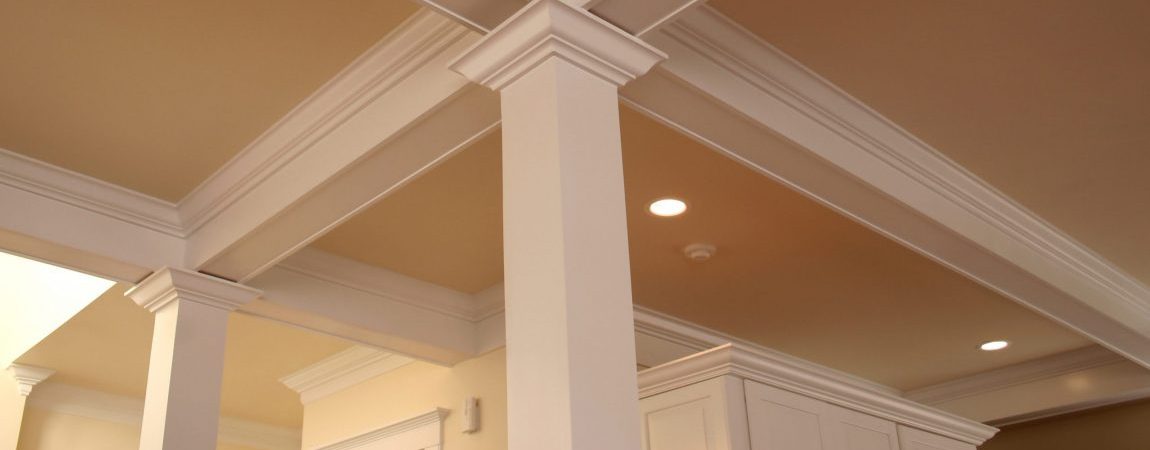
Crown molding is a timeless architectural detail that can transform the appearance of a room. Whether you prefer traditional decorative trim or a simple, modern look, the right crown molding can add character, create visual interest, and provide a polished transition between walls and ceilings.
With several crown molding styles and materials available, choosing the right option depends on your home’s architecture, ceiling height, and overall design. Explore five popular types of crown molding, the materials used to create them, and ideas for incorporating them throughout your home.
Quick Overview:
Before we explore the different types of crown molding, here are a few things to know:
- Crown molding comes in several styles, from simple cove molding to ornate egg and dart designs
- Common materials include wood, MDF, polyurethane, PVC, and plaster
- The best crown molding style depends on your home’s architecture, room size, and existing trim
- Crown molding adds architectural interest, creates a finished appearance, and can conceal minor imperfections
- Painting existing crown molding can refresh your interior without requiring new crown molding installation
What Are the Different Types of Crown Molding?
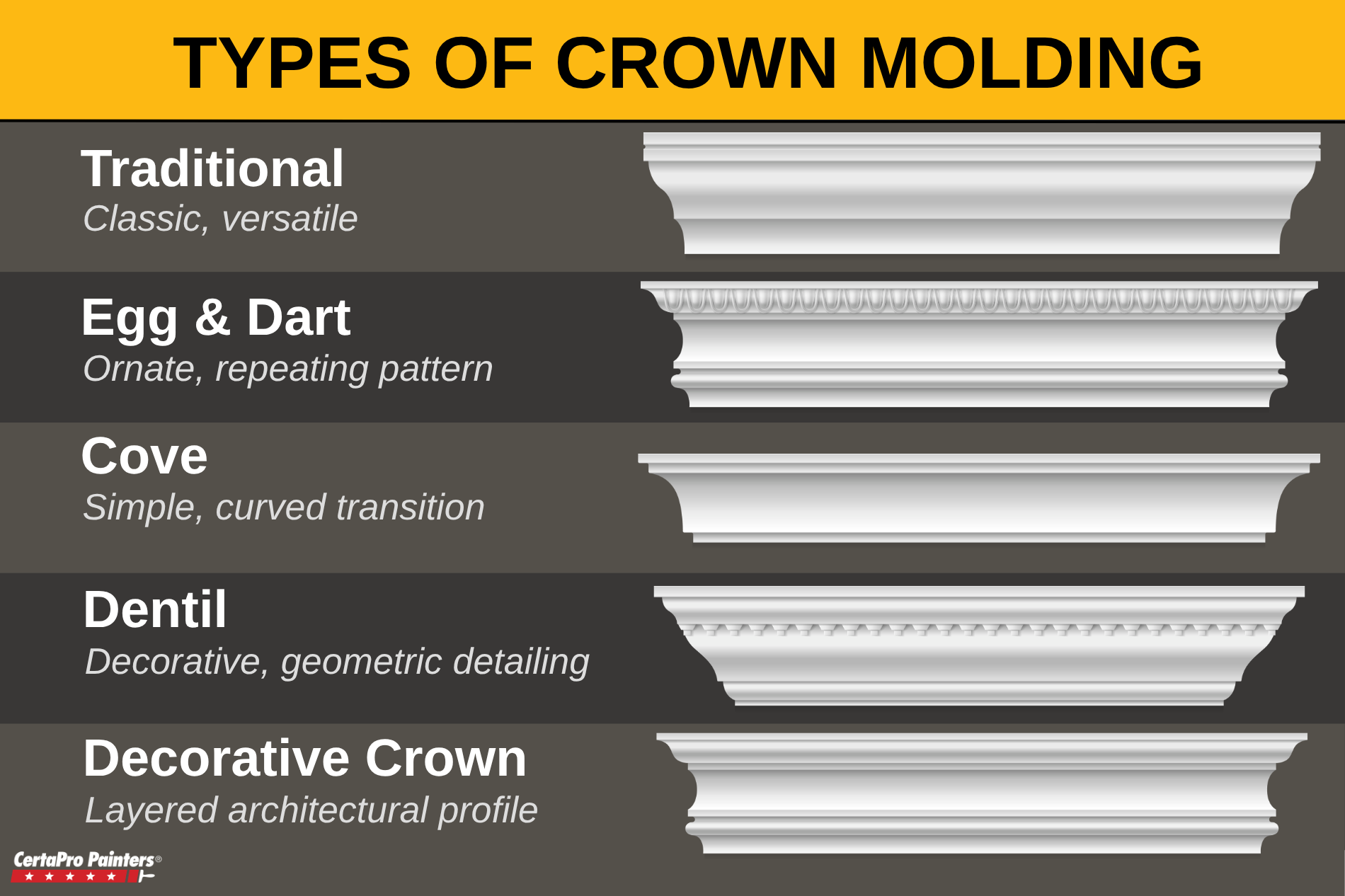
Crown molding styles range from simple profiles to intricate designs inspired by classical architecture. Understanding the differences can help you select a style that complements your home.
1. Traditional Crown Molding
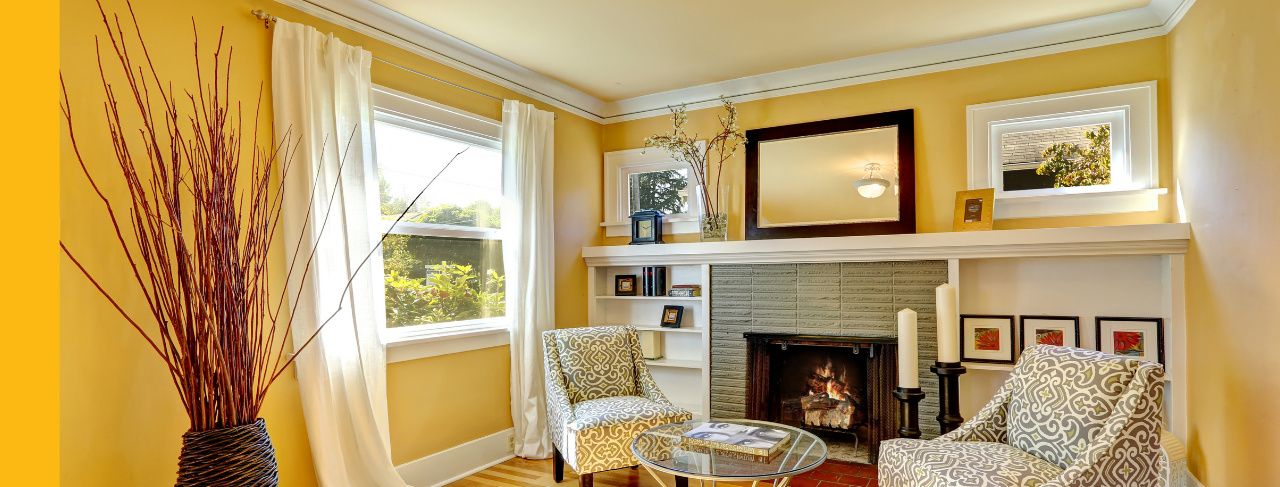
Traditional crown molding creates a decorative transition between the wall and ceiling. It often features a combination of curved and stepped details, providing architectural definition without overwhelming the room. This option works well in living rooms, dining rooms, or bedrooms.
2. Egg and Dart Molding
Inspired by classical Greek architecture, egg and dart molding features a repeating pattern of oval shapes and pointed details. This decorative design is commonly incorporated into more elaborate crown molding arrangements.
Egg and dart molding works particularly well in formal dining rooms, traditional living rooms, and homes with ornate architectural details. Its intricate pattern can create a distinctive focal point where the walls meet the ceiling.
3. Cove Molding
Cove molding features a smooth, concave curve that creates a softer transition between walls and ceilings. Its understated appearance makes it a popular option for homeowners who prefer simple architectural details.
Cove molding can be used in bedrooms, hallways, living rooms, and other spaces where a subtle decorative finish is preferred.
4. Dentil Molding
Dentil molding features a repeating series of small, rectangular blocks resembling teeth. The pattern is associated with classical architecture and is often found in traditional and historic homes.
This style can complement formal dining rooms, libraries, studies, and other spaces where detailed woodwork is part of the overall design. Dentil molding is particularly effective when paired with other traditional architectural elements.
5. Decorative Crown Molding
Decorative crown molding combines curved, stepped, or layered profiles to create a more detailed architectural finish. These designs can add depth and visual interest where walls meet ceilings.
This style works particularly well in traditional living rooms, formal dining rooms, and spaces with other decorative trim.
Common Crown Molding Materials
In addition to choosing a style, homeowners should consider the material used for their crown molding. Different materials offer distinct advantages in appearance, durability, and maintenance.
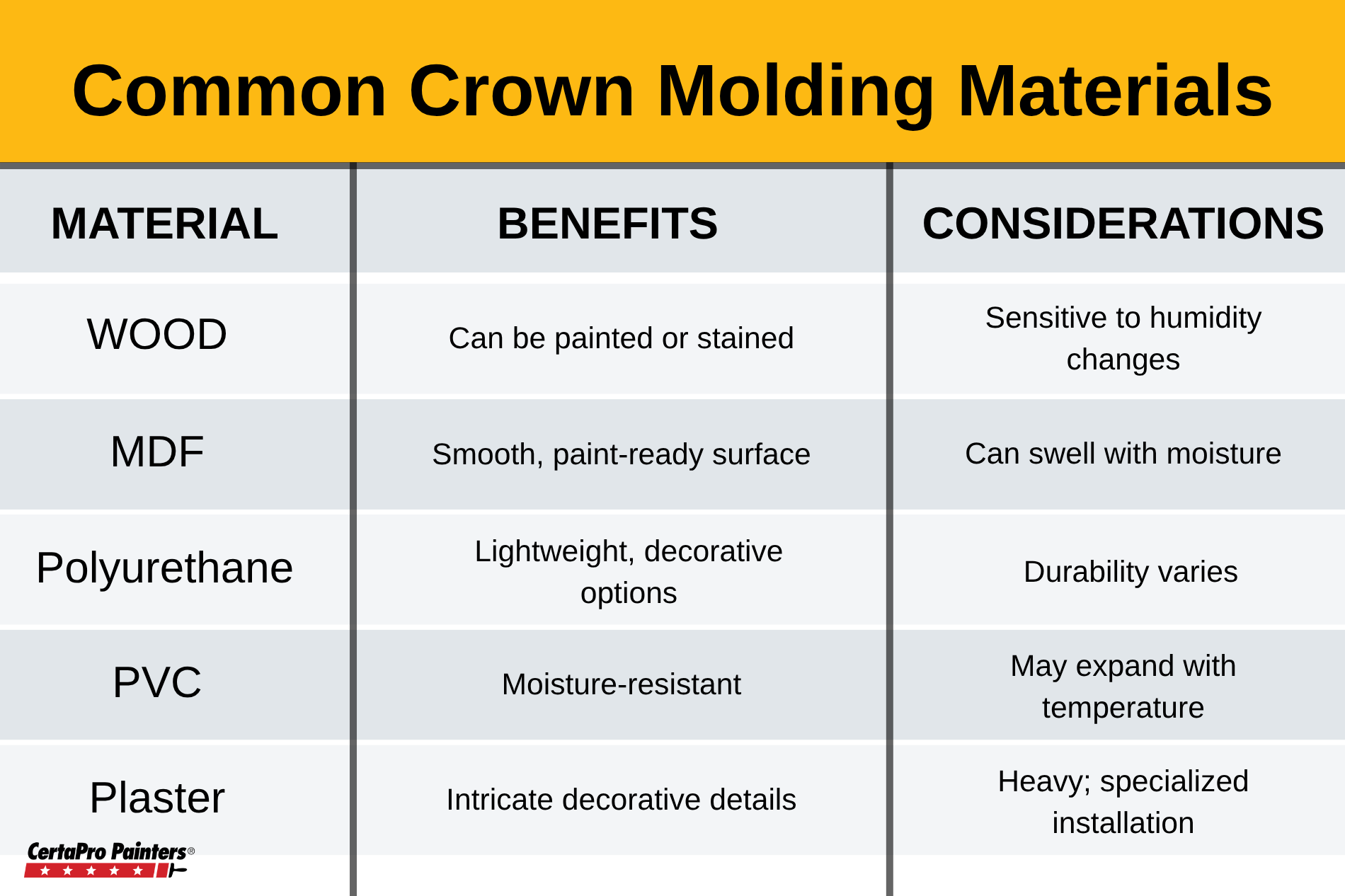
Wood and MDF are common choices for painted interior trim, while polyurethane and PVC offer alternatives for certain decorative or moisture-prone applications. Plaster molding is often associated with historic homes and elaborate architectural designs.
The right material depends on the room, the desired finish, and the conditions the molding will experience.
Crown Molding Ideas for Every Room
Crown molding can enhance many areas of the home, but the best style often depends on the room’s size, function, and existing architectural features.
Living Rooms
Traditional crown molding can add definition to a living room, particularly when coordinated with baseboards, window trim, and other woodwork. For a more contemporary appearance, simple cove molding provides a subtle finish without introducing excessive detail.
Kitchens
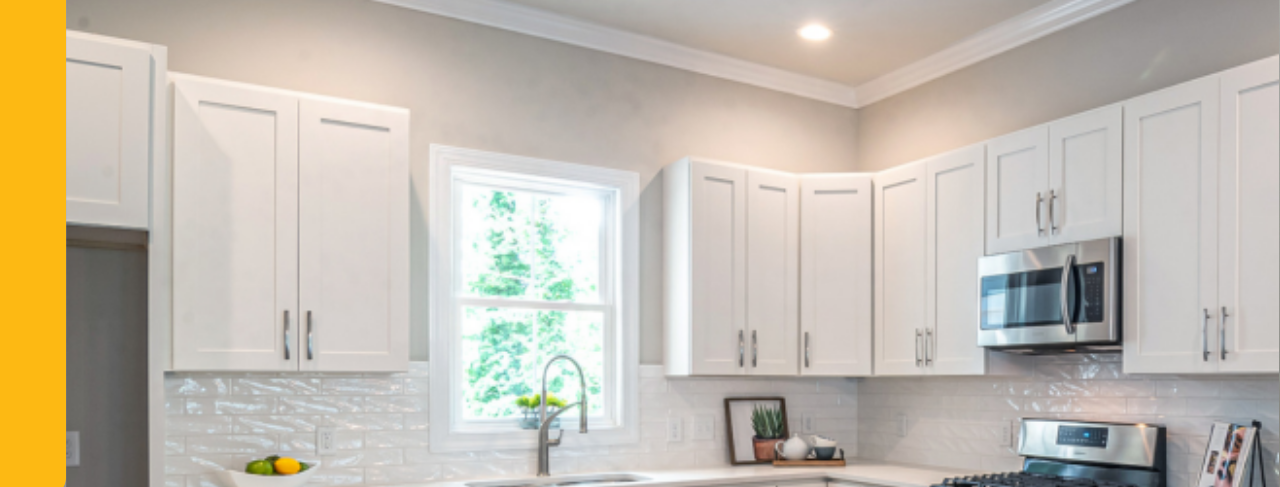
Crown molding can create a finished appearance along the ceiling or above kitchen cabinets. Simple traditional profiles often complement painted cabinetry, while more decorative styles may suit kitchens with detailed cabinet doors and traditional finishes.
Dining Rooms
Formal dining rooms are well suited to decorative styles such as dentil or egg and dart molding. The right crown molding can complement architectural details while creating a more traditional appearance.
Bedrooms
Cove molding can provide a softer decorative touch in bedrooms. Choosing a molding color that coordinates with the ceiling or walls can create a cohesive appearance without making the trim the room’s main focal point.
Bathrooms
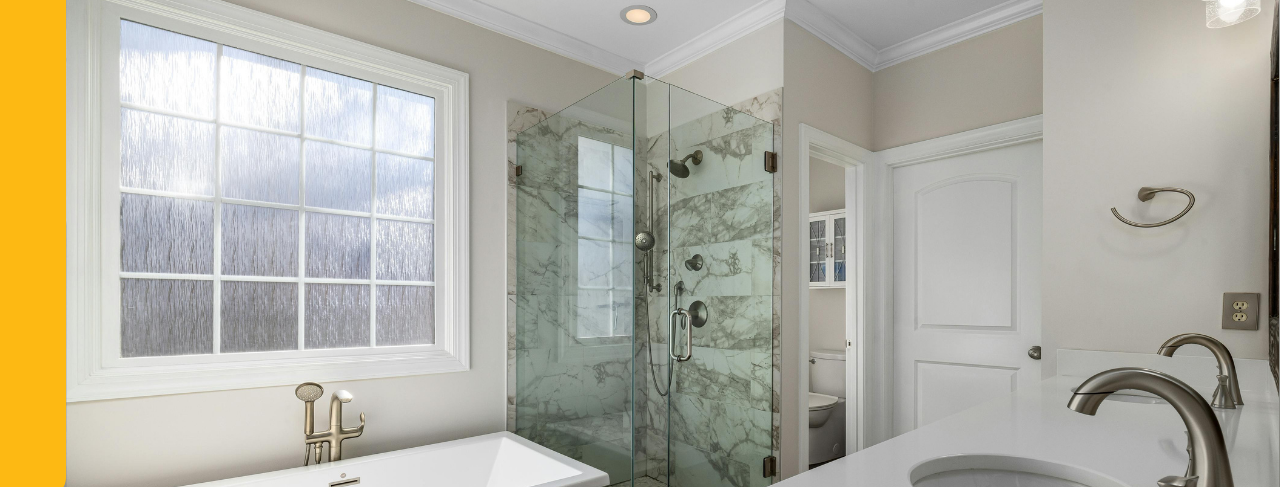
Crown molding can add architectural interest to bathrooms, but material selection is especially important. Moisture-resistant options, such as appropriate PVC or polyurethane products, may be preferable in spaces with elevated humidity.
What Are the Benefits of Crown Molding?
Crown molding offers several advantages beyond its decorative appearance. One of its primary benefits is architectural definition. By creating a finished transition between walls and ceilings, crown molding can make a room feel more thoughtfully designed.
Another benefit is concealing minor imperfections where wall and ceiling surfaces meet. While crown molding can cover small gaps or uneven transitions, underlying structural or moisture problems should always be addressed before installation.
Crown molding also provides opportunities for customization through paint. A crisp white finish can create contrast against colored walls, while matching the molding to surrounding surfaces can produce a more subtle, cohesive appearance.
When selected to complement the home’s architecture, crown molding can also support consistent interior design by connecting the appearance of multiple rooms.
Refresh Your Home with CertaPro Painters®
Whether you’re updating existing crown molding or planning a larger interior refresh, professionally painted trim can help bring your home’s architectural details together.
CertaPro Painters® offers professional interior painting services, including painting crown molding, baseboards, doors, and other interior trim. Our locally owned and operated businesses can help you select a finish that complements your home’s style and creates a cohesive appearance.
Schedule a free estimate today for your next interior painting project.

