




Why Your Touch-Up Paint Doesn’t Match (And How to Fix It)
Posted on February 12, 2026
You patched drywall, fixed a nail hole, or replaced a section of siding. You used the same paint color. Same brand. Same finish. But once it dried, it didn’t match. If you’ve searched “why doesn’t my touch-up paint match?” you’re not alone. This is one of the most common frustrations homeowners face with interior and exterior painting. The good news? There are clear reasons touch-up paint looks different—and practical ways to fix it.
In this article, we’ll go over:
- Why touch-up paint often looks darker or shinier than the original wall
- How paint fades and changes over time
- The role sheen, texture, and batch differences play in mismatching
- When a small blend works—and when repainting the full wall makes more sense
- How professional paint matching delivers seamless results

Why Touch-Up Paint Doesn’t Match the Original Wall
Even when you use the same color name, several factors cause paint touch-ups to stand out.
1. Paint Fades Over Time
Sunlight, indoor lighting, humidity, and age change how paint looks. UV exposure fades exterior paint. Interior walls shift tone as paint cures and ages.
Even if you saved leftover paint, the wall itself has changed.
2. Sheen Differences Make Touch-Ups Look Shinier
Many homeowners notice the patch looks glossier or duller than the surrounding area. This happens because:
- The original finish absorbed light differently over time
- The wall was rolled, but the touch-up used a brush
- Flat and matte paints show blending lines more clearly
Sheen mismatch is one of the most common reasons touch-up paint stands out.
3. Batch Variations in Paint
Even unopened cans of the same color can vary slightly between production batches. Manufacturers allow small tolerance differences in tint formulas.
That slight variation becomes noticeable next to aged paint.
4. Texture Changes How Light Reflects
Roller application creates a subtle surface texture. Brush touch-ups create a different one. That difference changes light reflection.
Even with the correct color, the wall can appear darker or lighter.
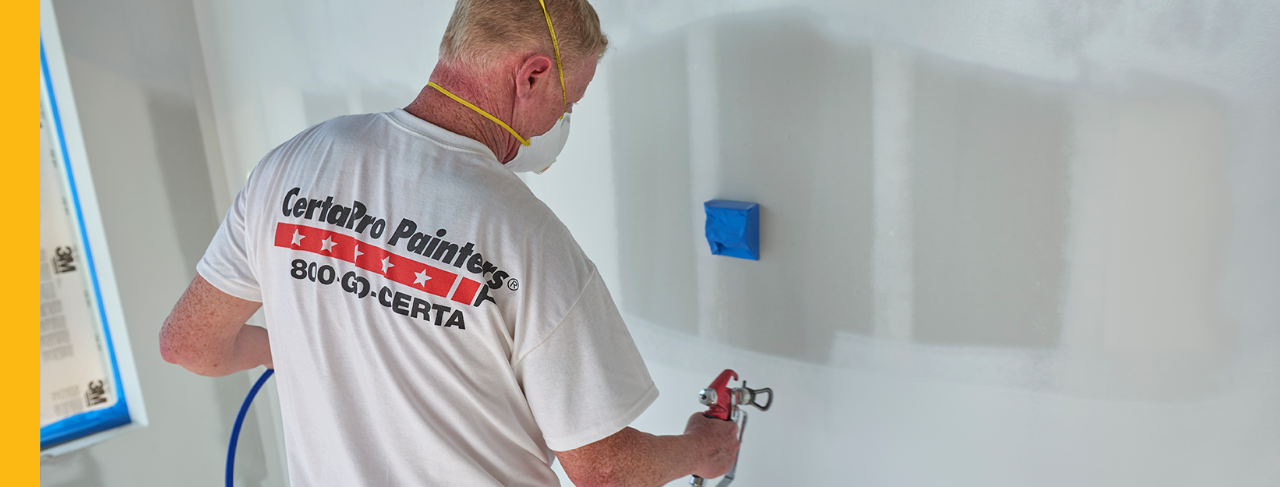
How to Fix Paint That Doesn’t Match
If your paint touch-up looks uneven, there are practical solutions.
Blend a Larger Area
Extending paint beyond the repair area softens hard edges and reduces contrast.
Repaint the Full Wall
Repainting the entire wall often produces the most seamless result, especially with flat finishes or sun-exposed surfaces.
Use Professional Color Matching Tools
At CertaPro Painters®, we assess:
- Surface wear
- Lighting conditions
- Existing sheen
- Application method
We also use professional color-matching technology to scan the current surface and create a formula based on how the wall looks today—not how it looked years ago.
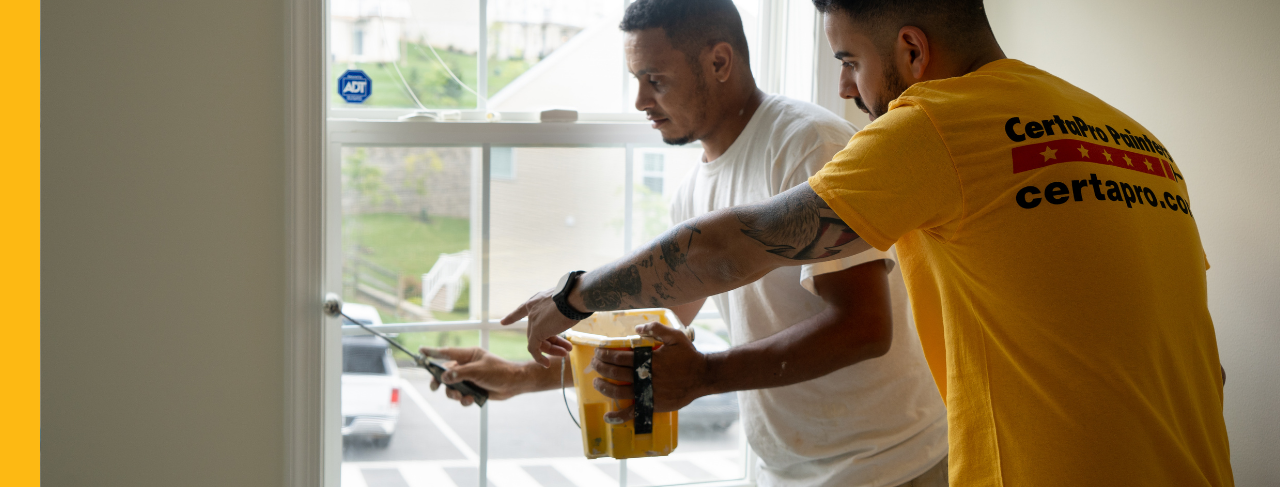
Why Professional Paint Matching Works Better
DIY touch-ups focus only on the color name. Professional painters evaluate the entire surface condition. For exterior paint, sun-faded siding requires a blending strategy. For interiors, sheen consistency matters just as much as pigment.
Sometimes a small patch works. Often, a strategic repaint by professional painters delivers longer-lasting results.
Stop Staring at That Patch
If your touch-up paint doesn’t match, you don’t have to live with it. Whether you need to match paint after drywall repair or refresh an entire room for a consistent finish, our experienced team brings the right tools and process to get it right.
Contact CertaPro Painters today to schedule a free estimate and restore a smooth, seamless finish to your home.

