



Pet-Friendly Paint: How to Choose Non-Toxic Finishes That Resist Scratches & Odors
Posted on July 2, 2025
If you’re a pet owner, chances are you’ve had a few unexpected damages to your walls. Scratches from claws, lingering odors, or even the occasional nose smudge are all part of the territory. But what if you could make your paint work for your pet-friendly lifestyle instead of against it?
Choosing the right interior paint can help reduce wear and tear, eliminate harmful chemicals, and keep your home feeling––and smelling––fresh. Here’s how to choose non-toxic, durable finishes that are safe for your furry companions while still looking amazing!
Why Pet-Friendly Paint Matters
Paint isn’t just about color. The ingredients in paint and the type of finish you choose can significantly affect your home’s air quality and your pets’ health. Dogs, cats, and even small animals like rabbits or birds can be more sensitive to fumes than humans. When applying a new coat of paint, these chemicals can also affect you! Make sure you follow our recommended painting safety tips. That’s why low-VOC or zero-VOC paints are essential in homes with pets.

What are VOCs?
VOC stands for volatile organic compounds—chemicals that evaporate into the air as paint dries. They can cause respiratory issues or trigger allergies in both people and animals. Choosing non-toxic paints minimizes these risks and contributes to a healthier indoor environment.
What to Look For in Pet-Friendly Paint
When you’re shopping for paint that can stand up to paws, tails, and the occasional zoomies, keep these features in mind:
1. Non-Toxic Formulas (Low or Zero VOC)
Look for interior paints labeled “low-VOC” or “zero-VOC.” Brands like Sherwin-Williams Harmony® are great examples of pet-safe options. These products emit fewer chemicals during application and drying.
2. Durable, Washable Finishes
Pets are messy. Choose finishes that are easy to clean and resist damage. Satin, eggshell, or semi-gloss finishes are typically more washable than flat or matte paints. They also offer better resistance to moisture and odors.
3. Scratch & Scuff Resistance
If you have a dog that scratches at the door or a cat that likes to climb, go with paints designed for high-traffic or high-touch areas. Products that offer scuff-resistant technology can keep your walls looking fresh for longer.
4. Odor-Blocking Technology
Some paints are specifically used to be odor resistant, which can be a huge bonus in homes with pets. These paints can help combat the persistent smells from litter boxes, wet fur, or accidents. Look for terms like “odor-eliminating” or “air-purifying” on the label.
Best Paint Colors for Pet-Friendly Homes
Believe it or not, color matters too. While there’s no “wrong” color, lighter shades may show dirt, dander, or scratches more easily. Mid-tones and warm neutrals (like soft greys, beiges, or sage greens) tend to hide smudges while still keeping your space bright and welcoming.
Want to play it safe? Opt for washable paint in a neutral tone that complements your furniture and your pet’s fur.
Tips for Painting with Pets at Home
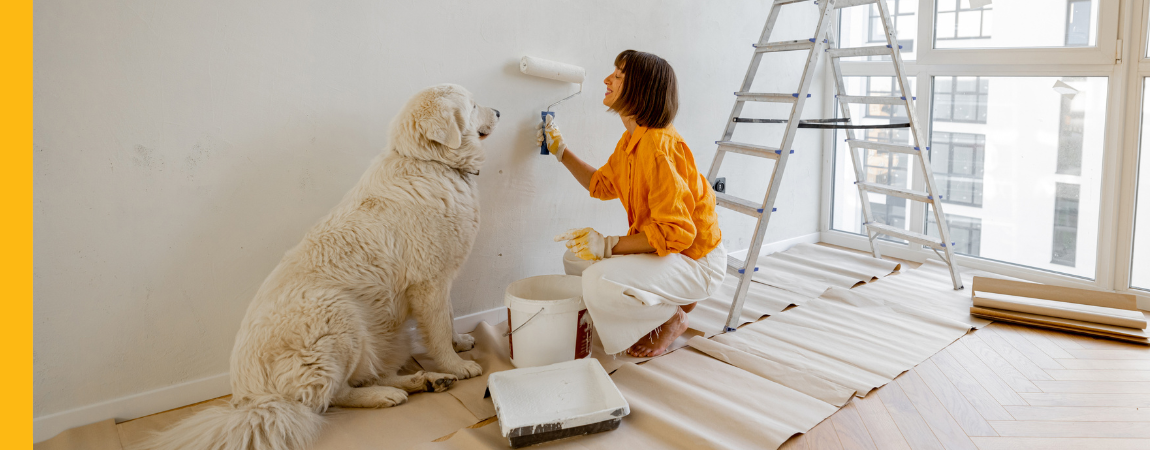
Here’s the thing: even if you’re using non-toxic paint, pets shouldn’t be in the room while you’re painting. Keep them in a well-ventilated space away from the action until the walls are dry and the smell has dissipated.
- Ventilate the area thoroughly
- Use fans and open windows if possible
- Keep your pets away from freshly painted walls to avoid sniffing, licking, or rubbing up against them
Final Thoughts: Safer Walls, Happier Pets
Painting your home doesn’t have to be stressful––especially when your pets are part of the plan. By choosing the right pet-safe paint and durable finishes, you’re investing in both your home and your furry family members. Plus, with modern paint technologies, you don’t have to sacrifice performance for safety.
At CertaPro Painters®, we understand how important it is to create a space that’s comfortable for everyone—paws included.

