



Franchise Ownership Articles > How Franchise Territories Are Evaluated (And What Buyers Should Look For)
How Franchise Territories Are Evaluated (And What Buyers Should Look For)

Choosing a franchise isn’t just about selecting the right brand. It’s about selecting the right market.
Quick Answer:
A strong territory can accelerate momentum. A poorly evaluated one can create friction that has nothing to do with execution.
For prospective owners evaluating a painting franchise, the question becomes: what actually makes a territory valuable?
The answer isn’t just population size. It’s structure.
How Franchise Territories Are Evaluated
Strong franchise territories are typically assessed using a combination of demographic data, housing trends, commercial activity, and long-term scalability.
Evaluation often includes:
- Population density and growth trends
- Median household income
- Housing stock age
- Commercial property concentration
- Multi-unit expansion feasibility
Each factor influences long-term revenue potential in different ways.
Population Scale and Density
Population matters—but density and household distribution matter more.
A territory must support:
- Consistent residential repaint volume
- Repeat customer cycles
- Referral momentum within neighborhoods
High-density suburban areas often provide the right balance of homeownership, stability, and property maintenance demand.
Household Income and Spending Behavior
Painting is often categorized as maintenance, but it also intersects with discretionary improvement spending.
Higher median household income typically supports:
- Full exterior repaint projects
- Interior refresh cycles
- Repeat renovation work
Income data helps evaluate the long-term ceiling of a territory.
Housing Stock Age and Maintenance Cycles
Older housing inventory increases repaint frequency.
Climate exposure, HOA standards, and real estate turnover all contribute to repaint demand.
Territories with established neighborhoods often provide stronger repeat cycles than areas composed entirely of new construction.
Commercial Density and Contract Stability
Commercial demand stabilizes residential seasonality.
Strong territories often include:
- Office parks
- Retail centers
- Healthcare facilities
- Multi-family housing
- Educational institutions
This creates recurring maintenance contracts and larger-scale projects that complement residential work.
You can explore how commercial services expand opportunity here:
Commercial painting services.
Scalability and Multi-Unit Potential
The strongest territories allow room for growth beyond year one.
Key questions include:
- Is there expansion capacity?
- Can operations scale without oversaturation?
- Is the territory structured to support multi-unit ownership?
Long-term thinking prevents early ceiling limitations.
You can review current open territories here:
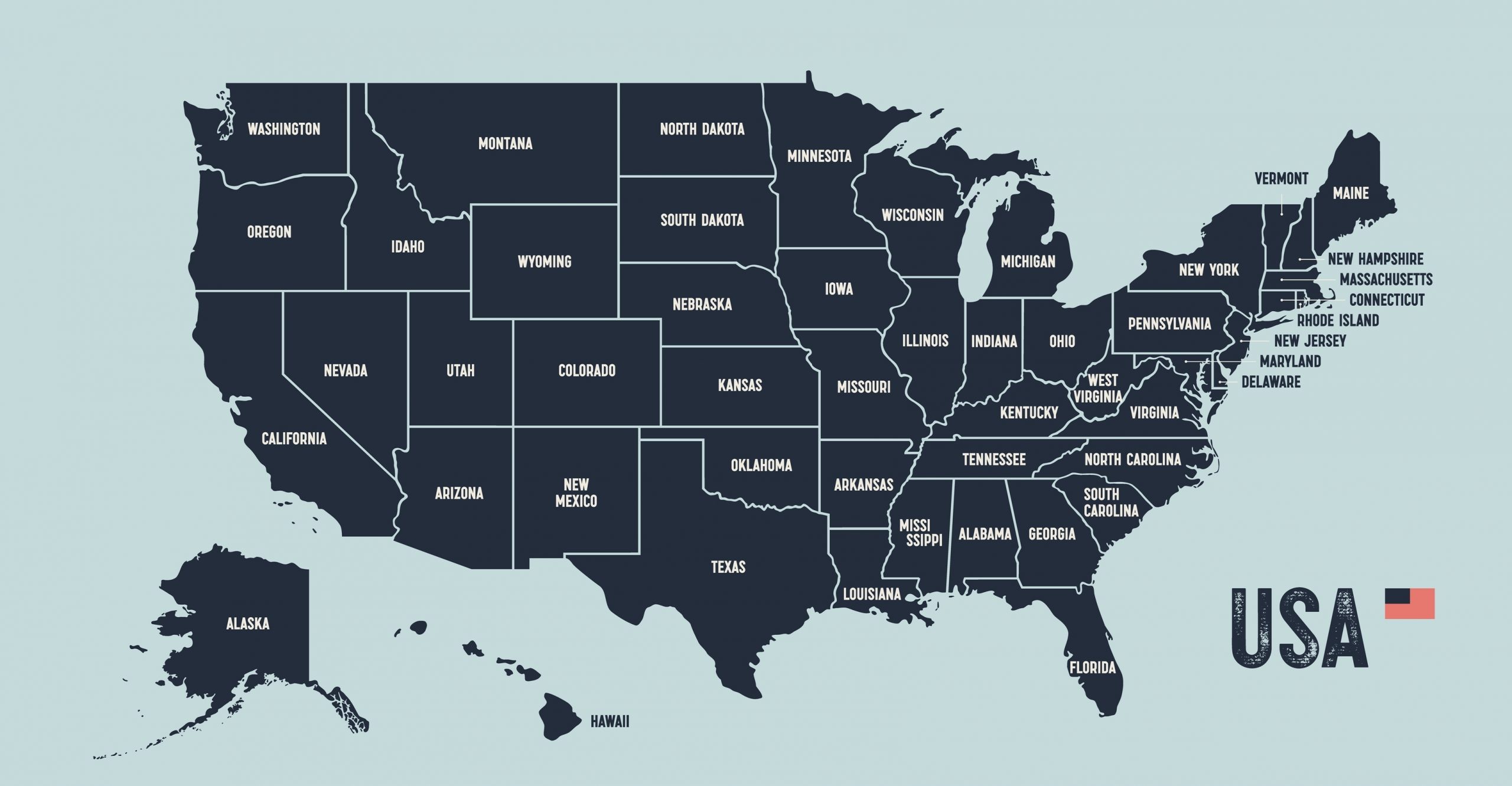
Available franchise markets.
Common Mistakes When Evaluating Territories
Prospective buyers sometimes:
- Focus only on population size
- Ignore commercial demand
- Overlook housing age data
- Fail to assess expansion potential
Territory evaluation is about structure, not just surface metrics.
Choosing the Right Market for Long-Term Success
A territory defines the runway of your business.
Strong market selection combines demographic stability, recurring repaint cycles, commercial diversification, and long-term scalability.
If you’re evaluating franchise ownership, take the time to understand how territories are structured and how they align with your growth goals.
Explore CertaPro Painters® franchise opportunities to learn more.
Ready to Start Your Own Franchise?
CertaPro Painters® is here to help you create your own success story.
Get Started
