



Franchise Ownership Articles > Reading the Ground: A Field Guide to Franchise Territories
Reading the Ground: A Field Guide to Franchise Territories

The deeper you get into franchise due diligence, the more you realize the brand isn’t really what you’re buying. You’re buying a piece of ground. The model, the training, the playbook — that stuff matters, but two owners running the exact same system in two different ZIP codes can end up with wildly different businesses. One is hiring a third crew by year two. The other is wondering why the phone won’t ring in February.
So before you fall in love with a franchise concept, it’s worth spending real time on the territory itself. Here’s how I’d think through it.
Start with the People, Not the Map
Population is the obvious first filter, but raw headcount is misleading on its own. A territory of 80,000 people in a stable, owner-occupied suburb behaves nothing like a territory of 80,000 in a transient rental-heavy area. What you actually want to understand is whether the population is the kind that generates jobs for your service — and whether that base is holding steady or growing.
Closely tied to that: household income. This one’s blunt but it matters. Discretionary service spending — the kind that supports a residential painting business, for example — tracks with income pretty directly. People who are stretched on their mortgage aren’t repainting the exterior this fall. People with margin in their budget will, and they’ll do the interior next spring too. You’re looking for territories where median household income comfortably clears the threshold for “this is a normal home-maintenance expense,” not “this is a major decision we’ll put off another year.”
The Housing Stock Tells You Almost Everything
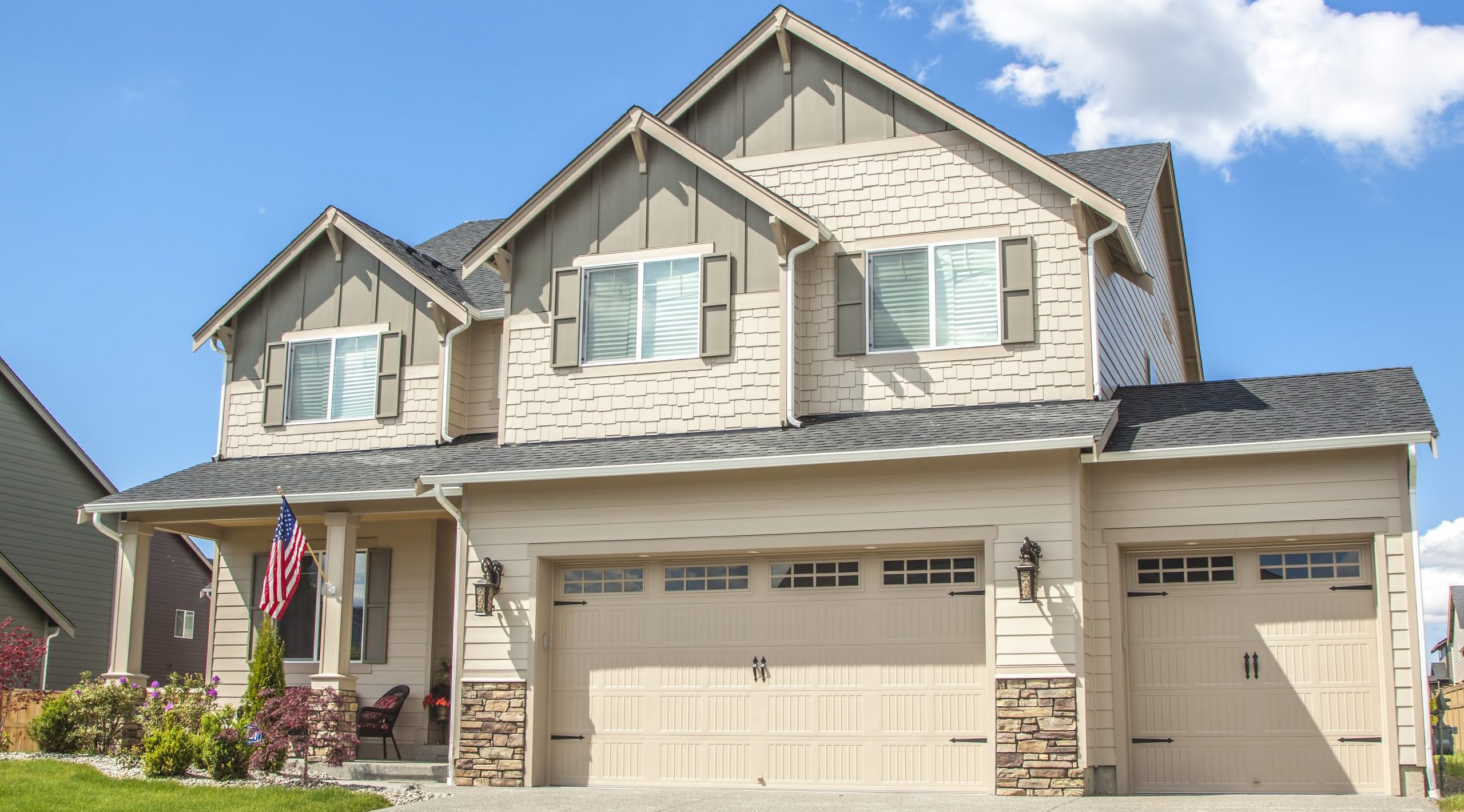
This is the factor most new franchisees underweight, and it’s probably the single most predictive one. Houses built in the last five years don’t need much. Houses that are 15, 25, 40 years old are on a cycle — they need exterior work every 3 to 7 years depending on climate and substrate, and the interior turns over whenever someone moves, renovates, or finally gets tired of the beige.
So when you’re looking at a territory map, pull up the housing age data. A market dominated by mid-century housing with engaged owners is a recurring-revenue machine. A market full of brand-new construction looks great on paper — high incomes, growing population — but the work isn’t there yet. You’re buying a territory that won’t really hit its stride for a decade.
Don’t forget the Commercial Side of Business
Residential gets most of the attention in franchise marketing, but commercial work is often where the steadier money lives. Office parks, retail centers, property management companies, HOAs — these accounts are less emotional, more predictable, and they repaint on schedules rather than whims. A territory with meaningful commercial density gives you a second engine that runs counter-cyclically to residential. When homeowners pull back during a soft economy, facilities managers are still spending their maintenance budgets. Commercial painting won’t usually be your majority of revenue out of the gate, but a territory that supports it gives you somewhere to grow into.
This matters more than people realize when you start thinking about what actually drives revenue over a multi-year hold.
Room to grow
A territory that maxes you out at one crew is a job. A territory that can support a second crew, then a third, then a satellite operation in an adjacent market — that’s a business. When you’re evaluating geography, you’re really evaluating the ceiling.
Some questions worth sitting with: Is the territory contiguous with other available territories you could pick up later? Is the brand structured in a way that rewards multi-unit ownership, or does it cap you? If you build this thing up and want to sell it in eight years, is the territory itself an asset a buyer would pay a premium for, or does the value walk out the door with you?
If you’re at this stage and curious what’s actually on the board right now, the list of available franchise markets is worth a look — it’ll quickly tell you whether the geography you care about is even in play.

The Honest Checklist
When I look at a territory, I’m asking:
- Is the population growing, flat, or declining — and what’s the trajectory over the next 10 years?
- How often does real estate turn over? Moves trigger paint jobs.
- Is there commercial development happening, or is the area mostly built out?
- How saturated is the competitive landscape — and who’s actually any good?
- Can I run two or three units here eventually, or am I capped?
Each of those feeds directly into your margins and cost structure, and ultimately into what the business is worth the day you decide to sell it.
The Central Focus Of Your Franchise Search
If you take nothing else from this: the territory is the asset. The franchise system gives you a playbook, training, and a brand customers might recognize — but the revenue ceiling is set by the geography, and you can’t renegotiate geography later.
Before you sign anything, do the work. Pull the census data. Drive the neighborhoods. Look at the housing stock with your own eyes. Talk to a couple of existing franchisees in similar markets and ask them what they wish they’d known about their territory before they bought it. That conversation alone is worth more than any pitch deck.
The right territory makes an average operator look great. The wrong one makes a great operator grind for years to break even. Know which one you’re buying. Dig into franchise opportunities with CertaPro Painters today!
Ready to Start Your Own Franchise?
CertaPro Painters® is here to help you create your own success story.
Get Started
