



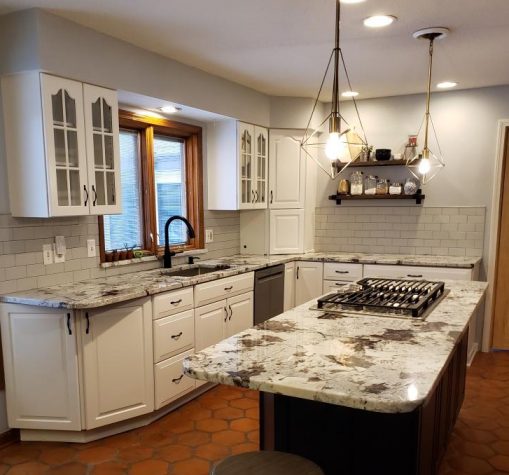
Interior Painting Prep: What Homeowners Should Do Before Painters Arrive
Posted on February 12, 2026
Preparing for interior painting can feel overwhelming. Homeowners often wonder what they need to move, what the painters will handle, and how to avoid unnecessary disruption. Clear expectations make the entire process smoother.
Quick Answer:
Before painters arrive, remove wall décor and valuables, clear small furniture, and confirm responsibilities with your contractor. Professional crews typically handle surface preparation, masking, and floor protection—but alignment ahead of time prevents delays.
What the Homeowner Is Responsible For
Professional painters manage technical preparation, but homeowners can streamline the project by handling a few key items beforehand.
- Remove artwork, mirrors, and wall-mounted décor
- Take down curtains or window treatments
- Disconnect electronics
- Clear tabletops and small furniture
- Secure fragile or valuable items
Clearing these items allows the crew to begin preparation immediately and reduces the risk of accidental damage.
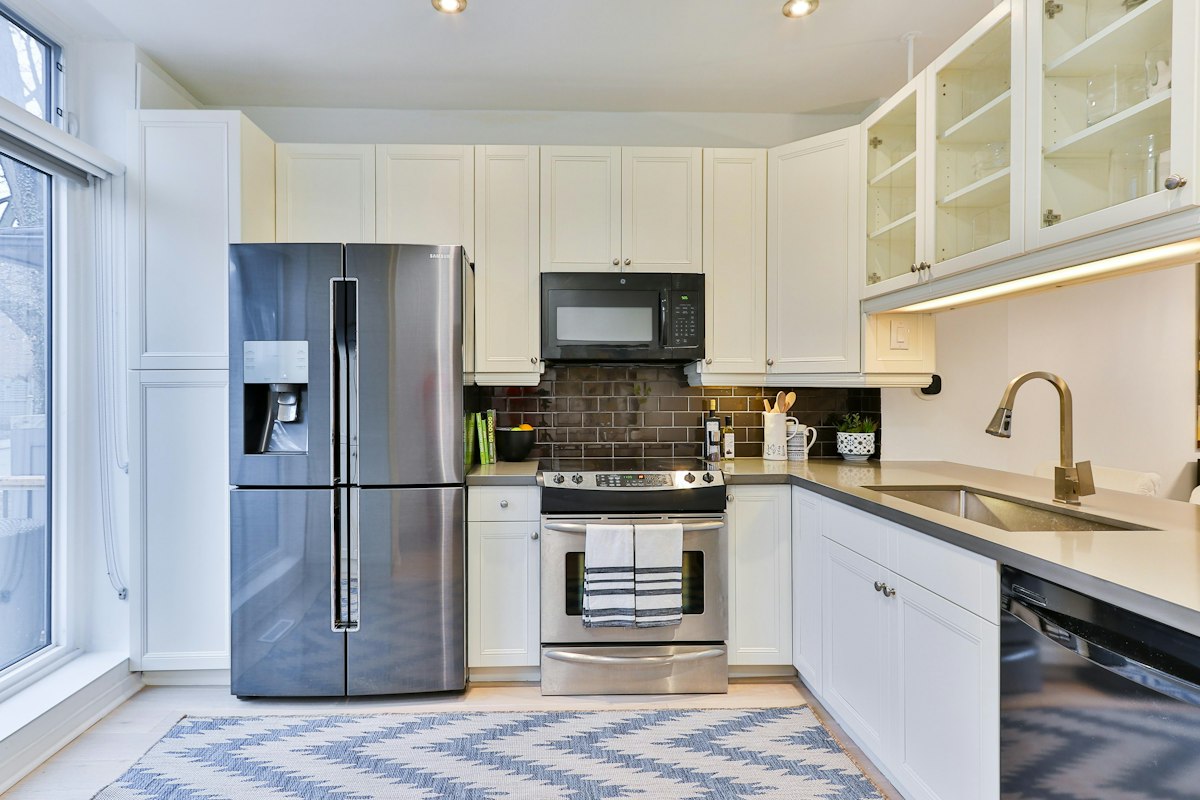
Clearing small items before painting day helps projects begin efficiently.
What Professional Painters Typically Handle
Experienced interior painting professionals focus on creating a durable, even finish—not just applying color.
- Filling nail holes and minor surface repairs
- Sanding uneven areas
- Caulking trim
- Masking edges and fixtures
- Protecting floors and larger furniture
- Priming surfaces when needed
These preparation steps are critical for adhesion and long-term durability.
How to Prep Furniture, Walls, and Valuables
To ensure efficient workflow:
- Move small furniture to the center of the room or another space
- Remove breakables completely from work areas
- Clear shelves and countertops
- Ensure pets and children are kept away from active areas
- Provide access to outlets and switches
Large furniture is often covered or repositioned by the painting crew, but it’s best to confirm that in advance.
What Not to Do Before Painting Starts
Certain well-intentioned actions can slow down the process.
- Avoid washing walls immediately before arrival, as moisture may delay painting
- Do not attempt major drywall repairs without discussing scope first
- Avoid assuming all contractors automatically move heavy furniture
- Do not leave mounted fixtures in place if unsure they’ll be removed
Clear communication is more helpful than last-minute adjustments.
How Long Prep Usually Takes
Preparation time depends on room size and surface condition. For most residential projects, prep is completed the same day work begins, followed by painting once surfaces are ready.
Well-prepared rooms reduce downtime and keep the project on schedule.
Questions to Ask Your Painting Contractor Ahead of Time
- Will large furniture be moved or covered?
- Are wall repairs included in the scope?
- How long will the project take?
- How are floors and carpets protected?
- What ventilation will be used?
A professional residential painting consultation should clarify these details before work begins.
Final Preparation Checklist
- Wall décor removed
- Valuables secured
- Small furniture cleared
- Responsibilities confirmed
- Pets and children accommodated
- Project timeline reviewed
When expectations are aligned, interior painting becomes a controlled, predictable process.
Planning an Interior Painting Project?
Interior painting runs smoothly when preparation and communication are clear from the start. A professional consultation ensures responsibilities, timeline, and surface prep are aligned before work begins.

