



How Commercial Painting Projects Are Scheduled to Minimize Business Disruption
Posted on January 2, 2026
For most commercial property owners and facility managers, the biggest concern with interior painting isn’t the paint itself — it’s how the work will impact daily operations. Unlike residential projects, commercial painting often happens in active spaces where employees, customers, and vendors still need full access.
This article focuses specifically on how commercial painting projects are scheduled to reduce downtime, maintain access, and keep businesses running while work is completed.
Why Scheduling Is Critical in Commercial Painting
Commercial interiors are rarely empty. Offices, retail spaces, healthcare facilities, and industrial environments all operate on schedules that can’t simply pause for a paint project. Because of this, scheduling becomes one of the most important factors in whether a project feels seamless or disruptive.
A well-planned schedule helps control noise, traffic flow, and access so painting work supports — rather than interrupts — normal operations.
Common Scheduling Approaches Used in Commercial Projects
Commercial painting schedules are built around how a business operates. Depending on the space, that may include:
- After-hours or overnight painting
- Weekend-only work
- Phased execution by room, floor, or department
- Targeted work windows during low-traffic hours

How Phased Execution Reduces Downtime
Rather than painting an entire space at once, many commercial projects are broken into phases. This approach allows teams to complete work in manageable sections while keeping the rest of the facility operational.
Phased execution is especially useful in larger buildings where access to conference rooms, workstations, or public-facing areas needs to remain available throughout the project.
Coordinating Access and Communication
Clear communication plays a major role in successful scheduling. Establishing points of contact, confirming access windows, and aligning on daily expectations helps prevent surprises during the project.
When everyone understands where and when work is happening, the project moves more efficiently and with fewer interruptions.
How Scheduling Fits Into the Commercial Painting Process
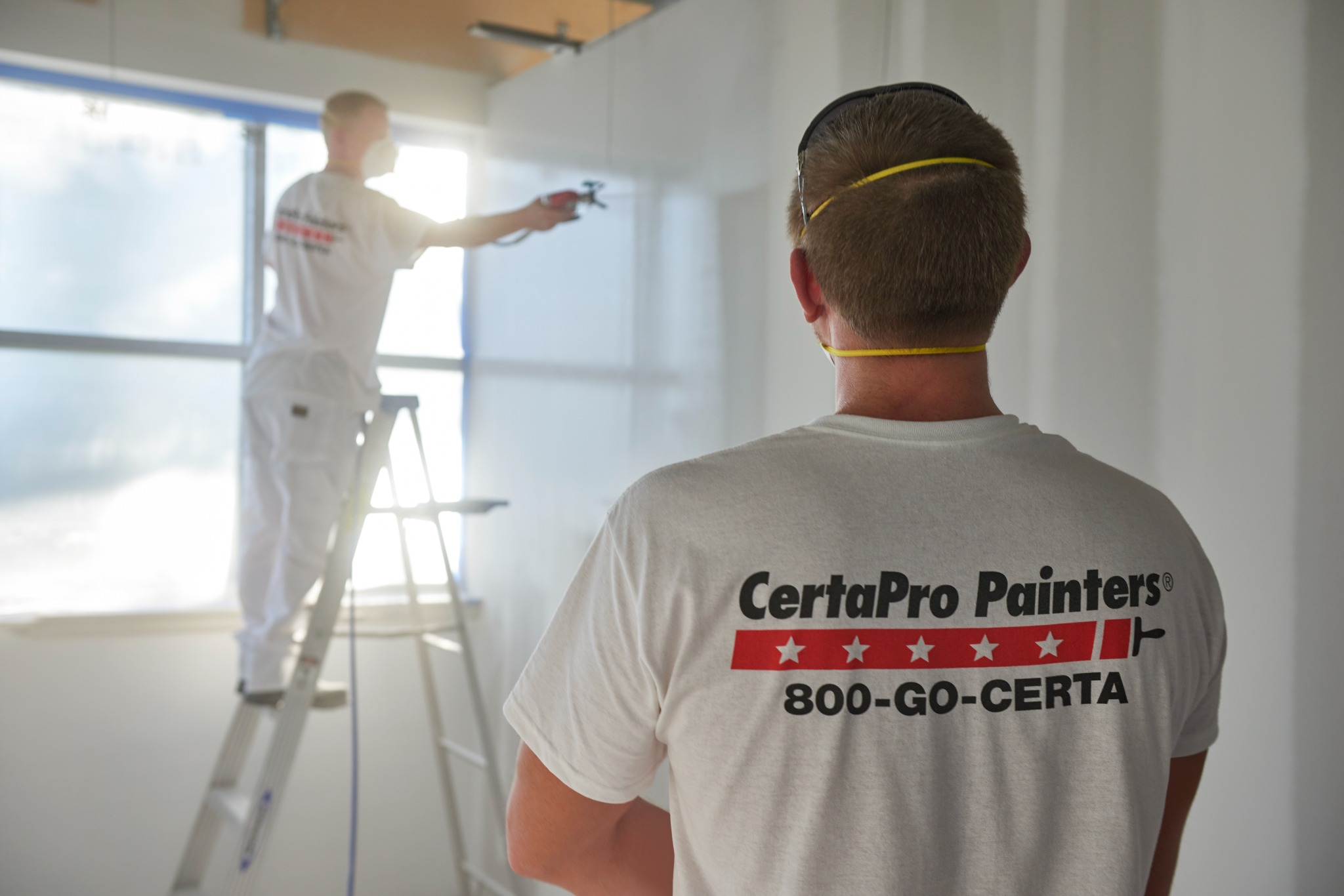
Scheduling is not a standalone step — it’s integrated into the broader commercial painting process. Timelines are aligned with preparation, execution, and final walkthroughs to keep work moving smoothly from start to finish.
Rather than listing every step here, scheduling works alongside the full commercial process to support active businesses.
Planning a Commercial Painting Schedule
Every commercial space operates differently, which is why painting schedules are built around real-world use rather than a one-size-fits-all timeline. Thoughtful scheduling helps protect productivity, customer experience, and daily operations throughout the project.
If you’re planning a commercial interior painting project, a well-structured schedule is one of the most important tools for keeping disruption to a minimum.
Request a detailed, custom project plan built around your business schedule.

