



Commercial Interior Painting for Industrial Facilities
Posted on January 2, 2026
Industrial interior painting is not about aesthetics alone. In warehouses, factories, and distribution centers, paint plays a functional role in safety, durability, compliance, and long-term maintenance.
This guide focuses specifically on how professional interior painting supports industrial environments without disrupting operations.
This article covers:
- What makes industrial painting different from office or retail work
- How coatings protect high-wear surfaces and equipment zones
- How projects are scheduled to minimize downtime
- When it makes sense to repaint versus spot-maintain
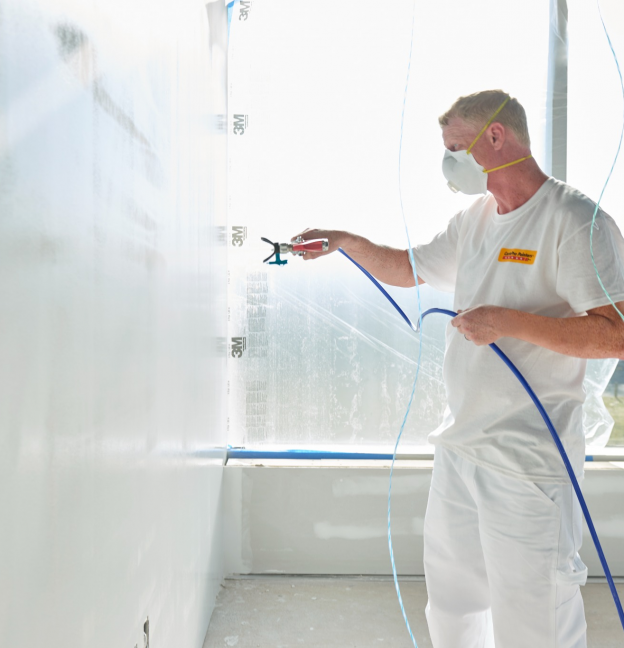
Why Industrial Interior Painting Is Its Own Category
Industrial facilities place extreme demands on interior surfaces. Walls, ceilings, columns, and floors are exposed to constant contact, machinery vibration, temperature changes, moisture, and chemical residue.
Industrial painting requires coatings designed for durability, washability, and performance under stress, often paired with surface preparation that goes beyond light sanding or patching.
Common Industrial Interior Painting Applications
Professional industrial painting projects commonly include:
- Warehouse walls and high-bay ceilings
- Manufacturing floors and safety zones
- Columns, rails, and impact-prone surfaces
- Loading dock interiors
- Mechanical rooms and utility spaces
These areas are typically repainted to improve visibility, maintain compliance, or extend the life of the facility rather than for visual branding.
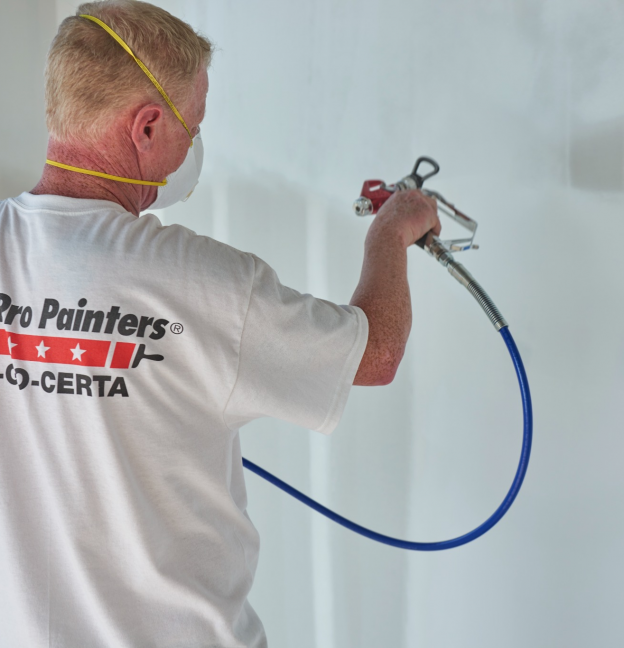
Surface Preparation in Industrial Environments
Preparation is the most critical phase of any industrial painting project. Poor prep leads to premature coating failure, especially in high-traffic or high-moisture environments.
- Degreasing and removal of industrial residue
- Abrasive sanding or grinding where required
- Moisture testing and substrate evaluation
- Targeted priming for steel, concrete, or masonry
This level of preparation is what allows industrial coatings to perform for years instead of months.
Minimizing Downtime During Industrial Painting Projects
Downtime is one of the biggest concerns for industrial facility managers. Professional commercial painters plan projects around production schedules, shift changes, and equipment availability.
Common scheduling strategies include:
- Phased painting by zone or bay
- Off-hours or overnight work
- Temporary containment for active areas
The goal is to maintain productivity while improving the facility, not shutting it down.
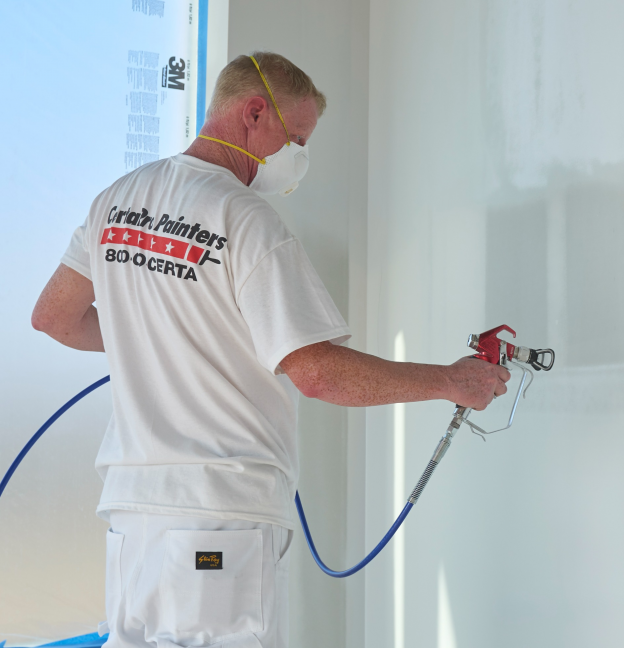
When to Repaint vs. Maintain Industrial Interiors
Not every industrial facility needs a full repaint. In many cases, targeted maintenance painting can extend the life of existing coatings and address problem areas.
Repainting is typically recommended when:
- Safety markings have faded or become unclear
- Coatings are peeling or failing due to moisture
- Surfaces no longer meet operational or compliance standards
Why Professional Industrial Painting Matters
Industrial interiors demand experience, planning, and the right materials. Professional commercial painters understand how to work safely around equipment, meet facility requirements, and deliver durable results that reduce long-term maintenance costs.
Plan Your Industrial Interior Painting Project with Confidence
Whether you manage a warehouse, manufacturing plant, or distribution facility, professional interior painting helps protect your investment and support daily operations.

