



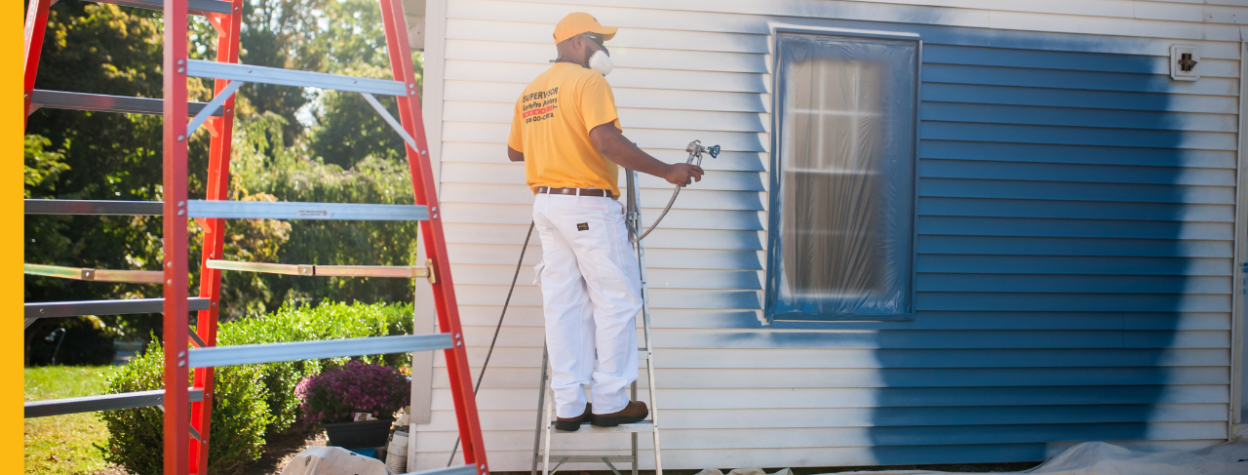
Best Time of Year to Paint Your Home’s Exterior
Posted on February 12, 2026
Exterior painting depends heavily on weather. Temperature, humidity, and seasonal conditions all influence how paint cures and performs over time. Choosing the right season improves durability and helps projects stay on schedule.
Quick Answer:
The best time to paint your home’s exterior is typically during mild, dry weather—often spring or early fall—when temperatures are moderate and humidity is lower. However, experienced crews can adjust techniques and materials to work successfully in other seasons when conditions allow.
How Weather Impacts Exterior Painting
Exterior paint adheres and cures best within recommended temperature ranges. Both daytime highs and overnight lows matter.
- Temperature: Extreme heat or cold can affect curing and adhesion.
- Humidity: High moisture levels may slow drying.
- Rain: Wet surfaces prevent proper bonding.
- Direct sun: Intense exposure can cause paint to dry too quickly.
Professional exterior painting services evaluate forecasts and product guidelines before scheduling application.
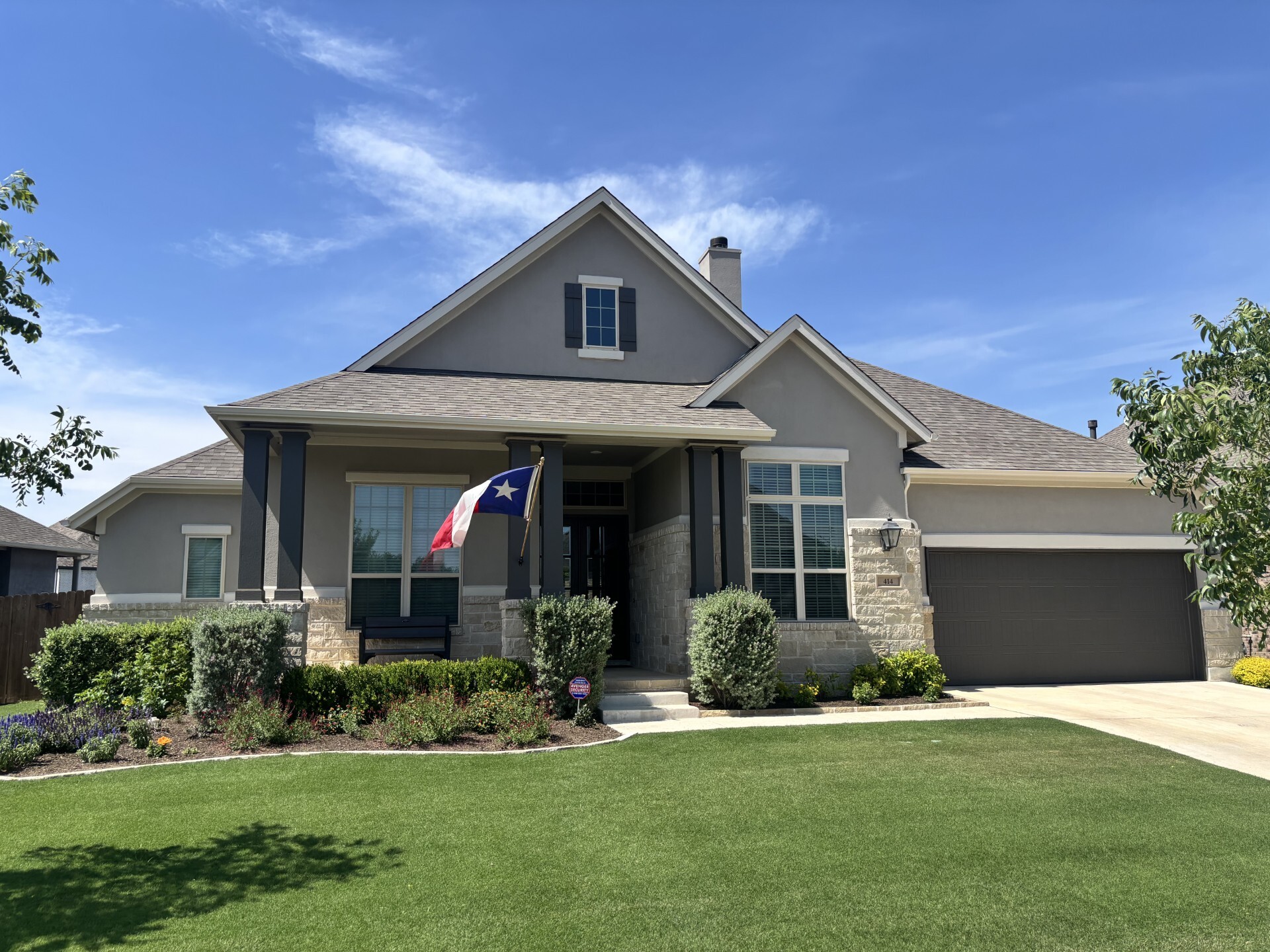
Moderate temperatures and stable conditions support long-lasting exterior paint performance.
Seasonal Breakdown
Each season presents advantages and considerations.
| Season | Advantages | Considerations |
|---|---|---|
| Spring | Mild temperatures, stable weather | High demand season |
| Summer | Fast drying conditions | Heat adjustments may be required |
| Fall | Consistent temperatures | Shorter daylight hours |
| Winter | Possible in mild climates | Limited by temperature thresholds |
Can You Paint in Hot Weather?
Yes, with proper adjustments. In high temperatures, professional painters may:
- Work in shaded areas first
- Schedule early morning applications
- Use temperature-rated coatings
- Adjust application techniques to maintain even coverage
Careful timing prevents premature drying and adhesion issues.
Can You Paint in Cold Weather?
Exterior painting is possible in cooler conditions when daytime and overnight temperatures stay within manufacturer guidelines.
In colder regions, winter painting may not be practical. In milder climates, specialized formulations allow safe application during cooler months.
Regional Climate Considerations
Geographic location plays a major role in timing decisions.
- Humid coastal areas require moisture-resistant coatings
- Desert climates demand UV-resistant finishes
- Northern regions must consider freeze-thaw cycles
Consulting with house painters near you ensures local weather patterns are factored into scheduling.
When Should You Schedule Your Project?
The ideal time to paint isn’t just about weather—it’s also about availability. Spring and early fall are popular seasons, and schedules fill quickly.
Planning ahead allows you to:
- Secure preferred dates
- Allow time for color selection
- Avoid peak-season scheduling pressure
- Coordinate with favorable forecasts
Early consultation improves flexibility and ensures optimal timing.
Planning Exterior Painting This Year?
Choosing the right season improves both performance and scheduling flexibility. A professional consultation helps evaluate your climate, surface condition, and timeline to determine the best window for painting.

