



Commercial Painting vs. Residential Painting: Key Differences Explained
Posted on February 12, 2026
Painting projects are not all the same. The needs of a homeowner differ significantly from those of a property manager or business owner. Understanding the distinction helps ensure the right contractor is selected from the start.
Quick Answer:
Residential painting focuses on homes and aesthetic detail, while commercial painting typically involves larger-scale projects, specialized coatings, regulatory considerations, and coordination around business operations. Both require expertise—but the execution differs.
Scope and Scale Differences
Residential projects usually involve single-family homes, interiors, or exterior siding and trim. Timelines are often shorter and coordination is centered around homeowner schedules.
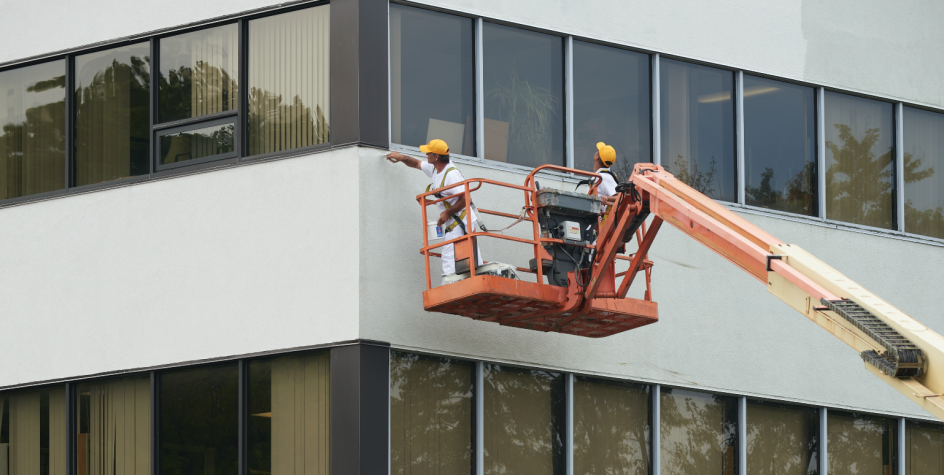
Commercial projects may include office buildings, retail spaces, warehouses, healthcare facilities, or multi-unit properties. These projects often require phased execution and expanded crews.
- Residential: homes, living spaces, smaller crews
- Commercial: larger facilities, multiple stakeholders
- Residential: design-focused decisions
- Commercial: durability and operational efficiency priorities
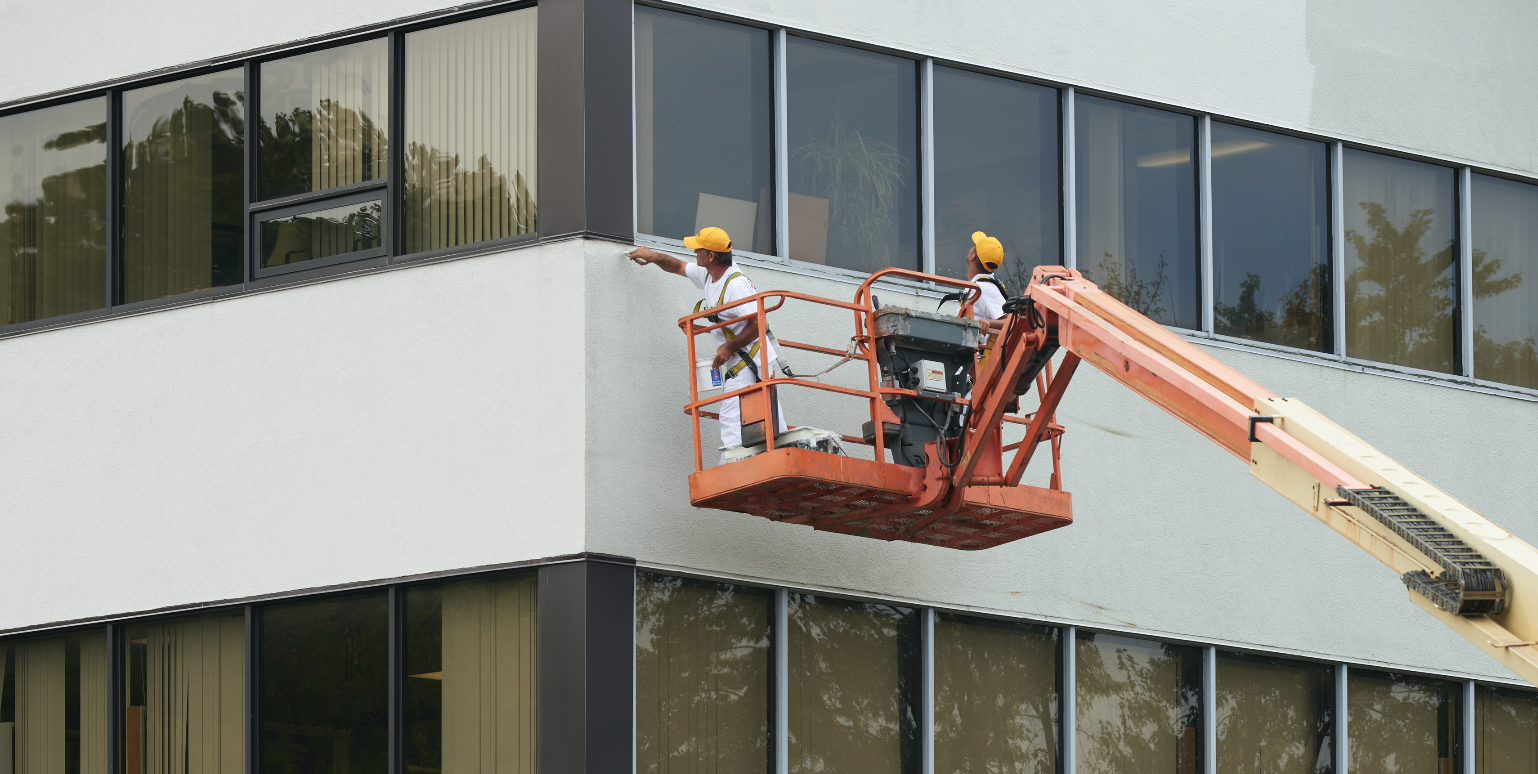
Commercial painting projects require coordination across larger spaces and operational environments.
Scheduling and Business Disruption
Home painting projects are typically completed during standard daytime hours. The focus is minimizing disruption within the home.
Commercial painting often requires flexible scheduling to maintain operations. This may include evening or weekend work, phased completion, or coordination with property management teams.
Experienced commercial painting services emphasize planning and communication to reduce operational impact.
Materials and Coatings Used
Residential painting commonly uses decorative interior paints and protective exterior coatings.
Commercial projects may require specialty products such as:
- Industrial-grade coatings
- Fire-resistant finishes
- Epoxy or floor systems
- Low-VOC formulations for occupied spaces
- Moisture-resistant coatings
Product selection is based on environment, traffic levels, and regulatory requirements.
Safety, Compliance, and Insurance
Residential projects require standard job-site safety measures.
Commercial environments may involve:
- Documented safety protocols
- Expanded liability coverage
- Equipment such as lifts or scaffolding
- Compliance with local and industry regulations
This added complexity makes commercial experience essential for certain properties.
Comparison Overview
| Category | Residential Painting | Commercial Painting |
|---|---|---|
| Project Size | Homes & living spaces | Large facilities & businesses |
| Scheduling | Daytime, homeowner-focused | Flexible, phased execution |
| Materials | Decorative & protective | Industrial & specialty coatings |
| Stakeholders | Homeowner | Property managers, tenants, teams |
Choosing the Right Contractor
Some painting companies focus exclusively on one category. Others maintain specialized teams for both.
When selecting a contractor, consider:
- Experience with similar property types
- Scheduling flexibility
- Product recommendations specific to your environment
- Insurance and compliance documentation (for commercial)
- Clear communication throughout the project
For homeowners, exploring residential painting services ensures attention to detail and comfort within the home.
Planning a Residential or Commercial Painting Project?
Clarifying your project scope from the beginning ensures the right team, materials, and scheduling approach are in place. Professional consultation helps align expectations and deliver a smooth painting experience.

