


Commercial Painting FAQs
Answered by CertaPro Painters® of Springfield, VA
Commercial Painting FAQs for Springfield and DMV Area
Commercial properties throughout Springfield and southern Fairfax County support a fast-moving mix of offices, medical practices, retail centers, schools, multifamily communities, warehouses, government-adjacent businesses, and professional service organizations. Buildings in Springfield, Burke, West Springfield, Lorton, Newington, Franconia, and Fairfax Station often require painting plans that account for dense traffic patterns, active occupancy, limited access windows, and the maintenance demands of Northern Virginia’s changing seasons.
The following FAQs are intended to help facility managers, commercial owners, property managers, association boards, and operations teams evaluate an interior or exterior painting project. Each answer addresses practical considerations such as budgeting, phasing, tenant coordination, surface condition, seasonal exposure, safety, and contractor evaluation for commercial facilities throughout the Springfield area.
Building a Practical Commercial Painting Plan
What should be included in the initial scope of a commercial painting project?
The initial scope should identify the rooms, elevations, buildings, or exterior components that require attention. It should also note visible damage, access restrictions, occupied areas, preferred work hours, security requirements, and any deadlines connected to tenant turnover, inspections, renovations, or upcoming events. Defining these details early helps create a clearer project sequence and reduces uncertainty during the estimating process.
Which factors have the greatest impact on commercial painting costs in Springfield?
Project pricing is influenced by surface area, building height, substrate condition, access, preparation requirements, coating type, color changes, and the number of work phases. Costs may also be affected by after-hours scheduling, restricted parking, specialty equipment, security procedures, or the need to keep customer-facing and employee areas operational. A detailed site review provides a more reliable basis for pricing than square footage alone.
Can commercial painting be incorporated into a larger renovation or tenant improvement?
Yes. Painting is often coordinated with flooring installation, lighting updates, drywall repairs, signage, carpentry, office reconfiguration, and other tenant improvements. Sequencing the work correctly helps protect completed finishes and keeps multiple contractors from interfering with one another. Early coordination also allows color selections and coating specifications to align with the broader design and operational goals of the renovation.
How can a property owner plan painting across several buildings or locations?
Multi-building portfolios can be organized according to condition, visibility, occupancy, lease schedules, and capital priorities. Buildings with active coating failure, water exposure, high customer traffic, or upcoming tenant transitions may be addressed first. A phased maintenance plan helps owners distribute expenses while preserving consistent color standards and documentation across the property.
Northern Virginia Climate and Exterior Wear
How does the Springfield climate affect commercial exterior paint?
Commercial exteriors in Northern Virginia experience humid summers, freezing winter periods, rain, wind, strong sunlight, and repeated temperature shifts. These conditions can cause coatings and sealants to expand, contract, fade, crack, or lose adhesion over time. Building elevations with intense afternoon sun or persistent shade may deteriorate at different rates, even when they were painted at the same time.
Why should commercial buildings be inspected after winter?
Cold temperatures and freeze-thaw cycles can place stress on masonry, joints, trim, and previously weakened coatings. Moisture entering small cracks may contribute to peeling, staining, open seams, or surface deterioration as temperatures fluctuate. A post-winter inspection gives facility teams an opportunity to identify repair needs before spring rain and summer humidity increase the building’s exposure.
Can traffic and roadway exposure affect commercial properties near Springfield?
Yes. Properties near major commuter routes, parking facilities, loading areas, and heavily traveled roads may accumulate dust, exhaust residue, road film, and airborne debris more quickly. This buildup can make exteriors appear worn and may interfere with coating adhesion if it is not removed. Proper washing and preparation are especially important for buildings exposed to sustained vehicle activity.
What signs suggest that an exterior coating system is beginning to fail?
Facility managers should watch for peeling edges, blistering, chalking, fading, cracked caulk, exposed substrate, rust, water stains, or recurring mildew. Deterioration often appears first around windows, doors, rooflines, metal components, joints, and transitions between materials. Catching these warning signs early can help prevent a limited maintenance issue from expanding into a more extensive repair project.
Coordinating Painting in Active Facilities
Can office and government-adjacent facilities remain operational during painting?
Many occupied offices can remain open when work is divided into controlled sections. Painting may be organized by floor, department, suite, conference area, or corridor, with noisier or more disruptive tasks scheduled outside standard business hours. Access controls, security procedures, employee movement, and sensitive work areas should be discussed before the project begins.
How can retail centers reduce disruption during a painting project?
Retail painting can be sequenced around peak customer periods, deliveries, storefront access, parking, and tenant operating hours. Entrances, walkways, façades, and shared common areas may be handled in separate zones to maintain circulation. Advance communication with tenants and property management helps ensure that affected areas are clearly marked and operational needs remain visible throughout the project.
What planning is needed for medical and healthcare-related properties?
Medical offices, outpatient facilities, dental practices, and other healthcare environments may require careful scheduling around appointments, patient privacy, sanitation procedures, and access to treatment spaces. Lower-odor or lower-emitting products, phased work areas, protected pathways, and after-hours scheduling may be considered depending on how the facility operates.
How are HOA, condominium, and apartment painting projects organized?
Multifamily and association-managed properties typically require resident notices, parking coordination, building access plans, and a clear sequence for common areas, balconies, stairwells, amenities, and exterior elevations. Work may be completed by building or neighborhood section to limit disruption. Consistent color records and defined communication responsibilities also help boards and property managers oversee the project more effectively.
Preparation, Access, and Project Control
What surface preparation may be required before commercial painting begins?
Preparation is based on the condition and material of each surface. The work may involve washing, scraping, sanding, patching, caulking, drywall repair, rust treatment, spot priming, or removal of loose coatings. Springfield-area properties may also need pollen, road residue, mildew, dirt, and other contaminants removed before painting. A sound preparation plan helps new coatings bond more effectively and creates a more uniform finished appearance.
How are exterior painting schedules adjusted when Northern Virginia weather changes?
Exterior work is planned around temperature, rain, humidity, wind, surface moisture, and the application limits of the selected coating products. When conditions are not suitable, crews may shift to preparation, interior work, or another approved area of the property. This flexible approach helps protect coating performance while allowing progress to continue where practical.
Can a painting project accommodate loading zones, deliveries, and commuter traffic?
Yes. Commercial properties near Springfield’s major transportation corridors often need to preserve access for employees, service vehicles, customers, and scheduled deliveries. Work areas can be coordinated around loading times, parking restrictions, entrance usage, and high-traffic windows. Mapping these patterns before work begins helps reduce conflicts and supports safer movement around the facility.
How are furnishings, equipment, and occupied areas protected during interior painting?
Before work starts, the project team should identify furniture, flooring, fixtures, technology, sensitive equipment, and pathways that must remain in use. Protection may include coverings, masking, temporary work zones, signage, and coordinated movement of movable items. The protection plan should reflect the building’s daily operations and the needs of employees, tenants, customers, or residents using nearby spaces.
Selecting a Commercial Painting Company in Springfield
What information should a detailed commercial painting proposal contain?
A commercial proposal should clearly outline the surfaces included, preparation steps, coating systems, project phases, exclusions, and anticipated schedule. It should also explain how access, cleanup, communication, site protection, and changes to the scope will be managed. Reviewing these details allows decision-makers to compare the actual work and level of planning behind each proposal.
Why is local experience valuable for commercial properties in southern Fairfax County?
Commercial buildings in Springfield, Burke, Lorton, Newington, Franconia, and surrounding communities vary in age, construction, traffic exposure, and operational use. Familiarity with Northern Virginia weather, commuter-heavy locations, multifamily developments, government-adjacent offices, retail centers, and active institutional properties can support more practical recommendations for scheduling, preparation, and coating selection.
How should facility managers compare coating recommendations?
Coating options should be reviewed according to substrate, traffic, moisture exposure, cleaning frequency, desired appearance, and expected service life. A product recommended for a busy corridor may not be the right choice for exterior masonry, metal railings, warehouse walls, or a medical office. Comparing the entire system, including primers and preparation, provides more useful information than comparing finish coats alone.
When should a Springfield commercial property request a painting consultation?
A consultation is helpful when a property is preparing for tenant turnover, renovation, rebranding, annual budgeting, or visible maintenance concerns. Starting the conversation before the work becomes urgent gives owners and managers more time to evaluate surface conditions, plan access, coordinate stakeholders, and choose a schedule that fits operational priorities.
More Commercial Services We Offer
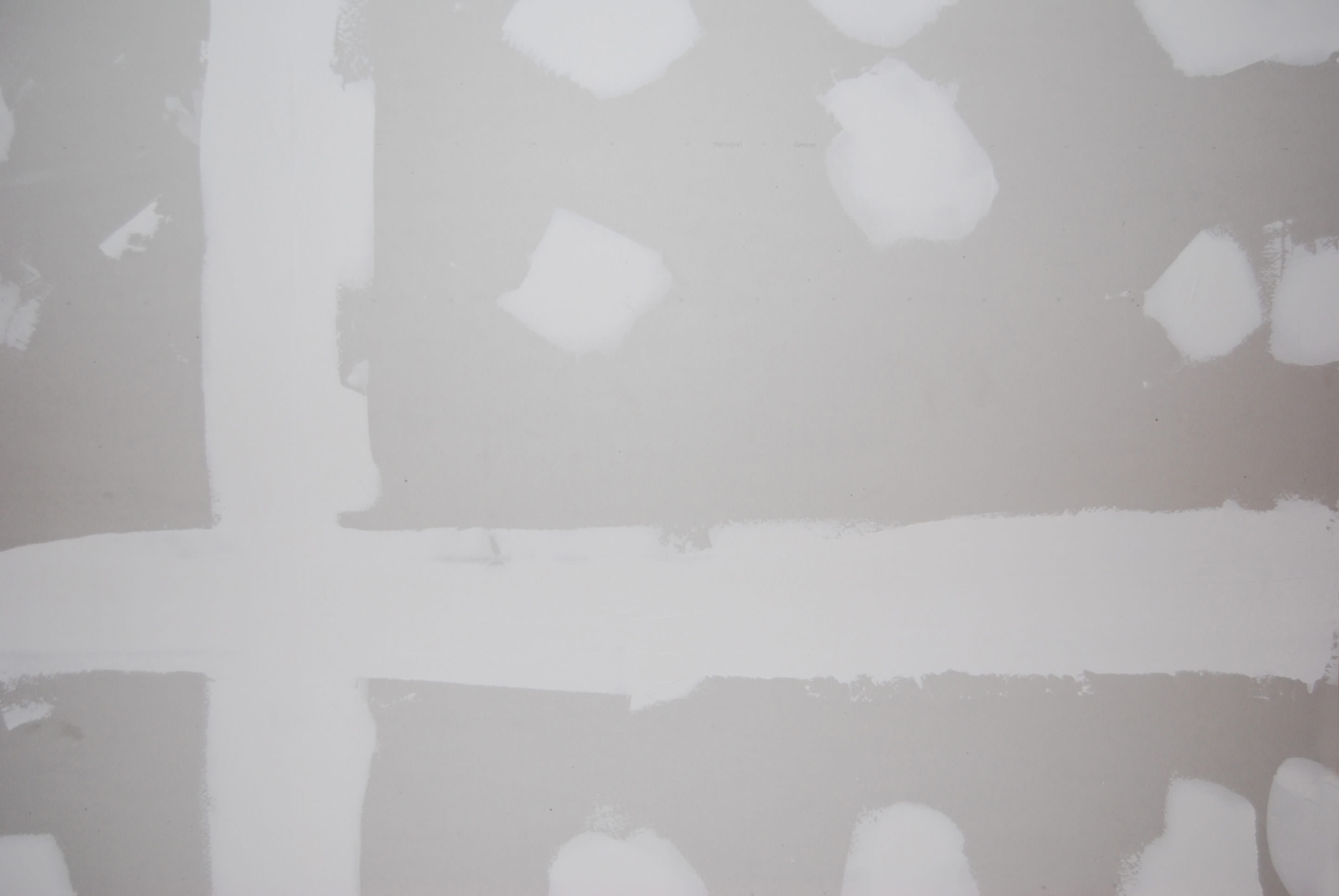
Drywall Repair
Drywall panels can be repaired or replaced, eliminating signs of wear and tear.
Learn More
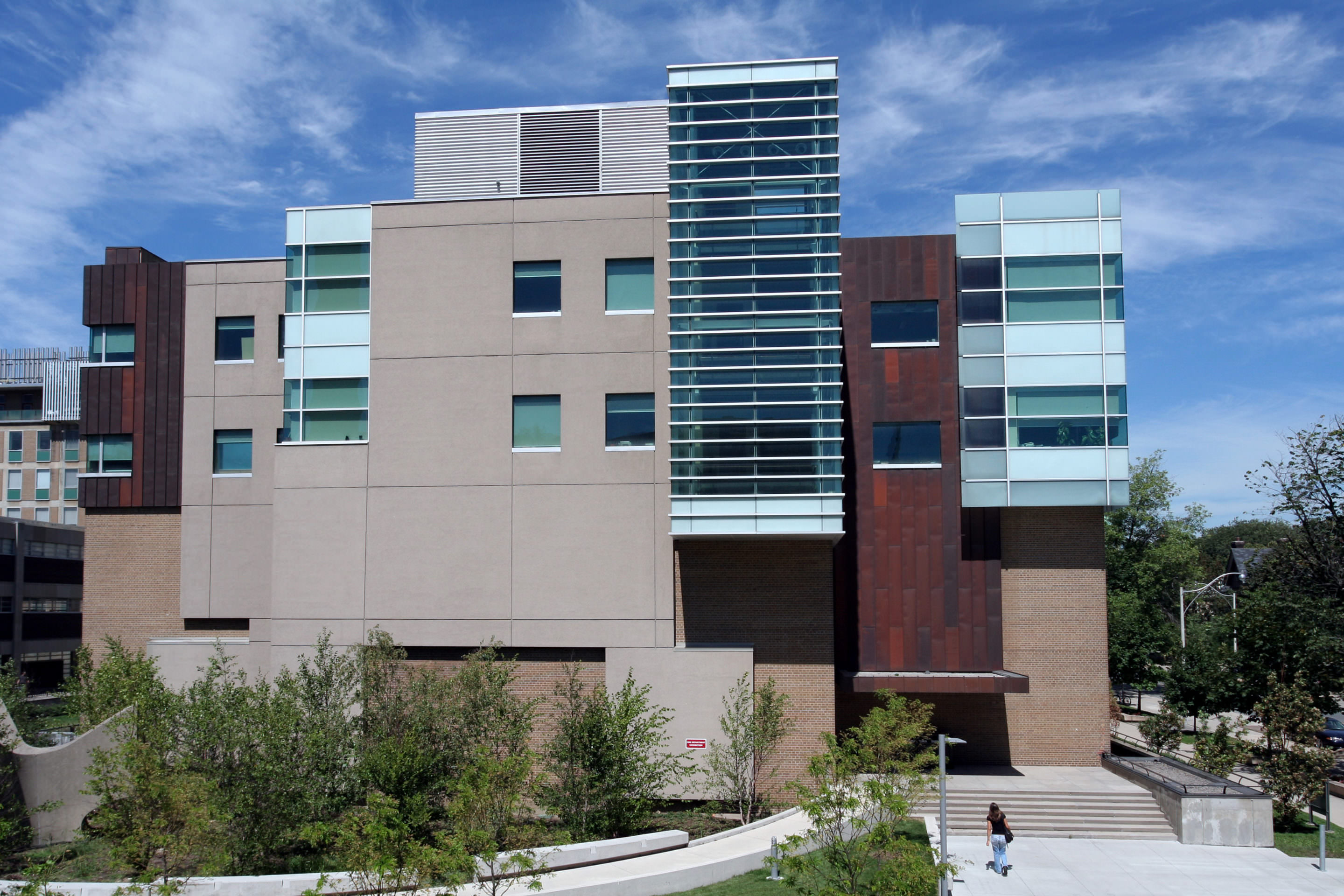
Exterior Painting
Our team of dependable exterior painting contractors will tackle your list of projects. Our team has years of experiencing painting a variety of materials and surfaces, including vinyl or aluminum siding, stucco, wood, brick, cedar shingles, and garage doors.
Learn More
High-Durability Coatings
Our team is skilled in applying high-durability coatings for floors, walls, and high-wear areas requiring long-term painting solutions.
Contact Us
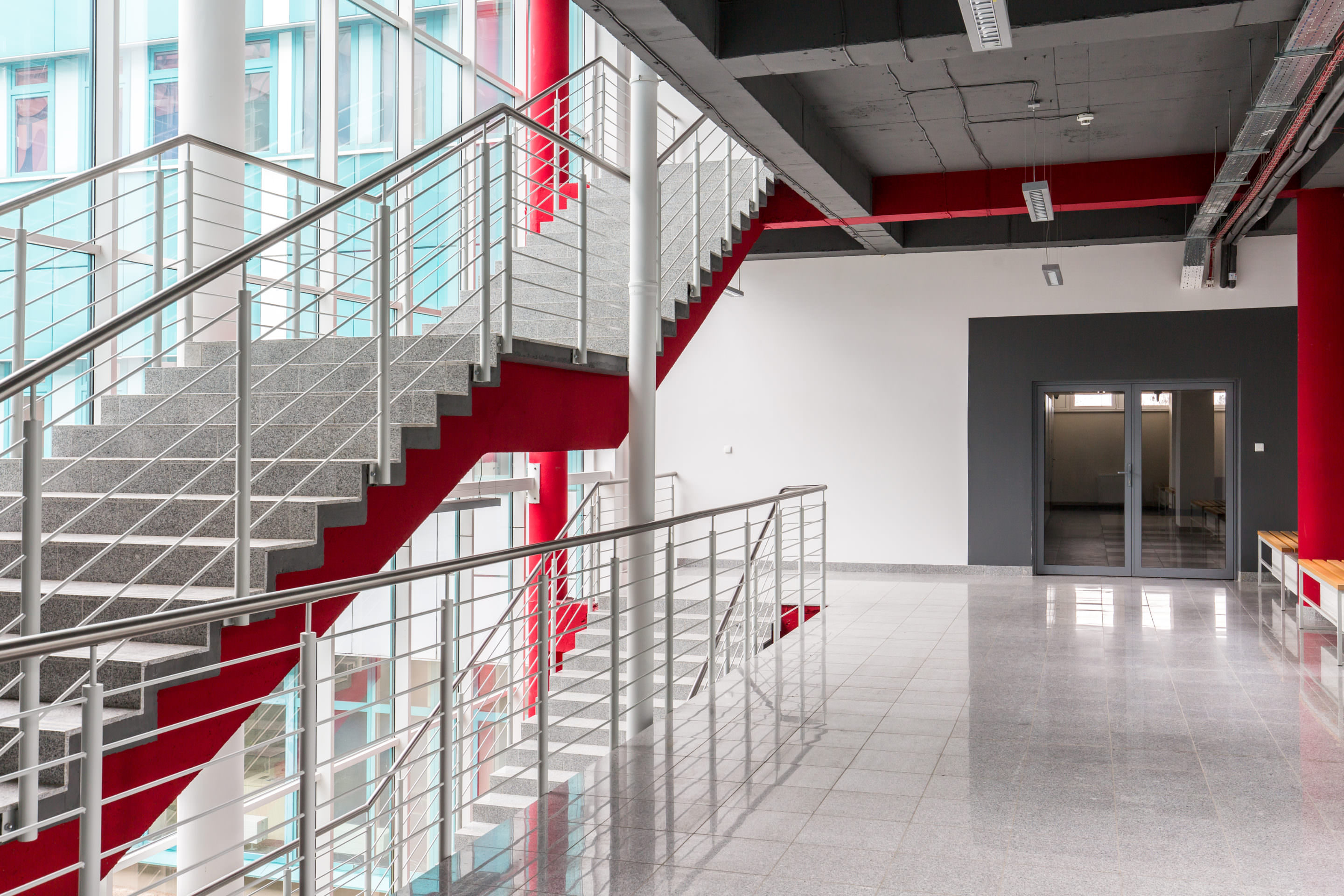
Interior Painting
The interior of your home warrants professional results. And our Springfield painters are just the team to deliver. We offer seamless, efficient, and meticulous interior services and strive to ensure you are absolutely satisfied.
Learn More
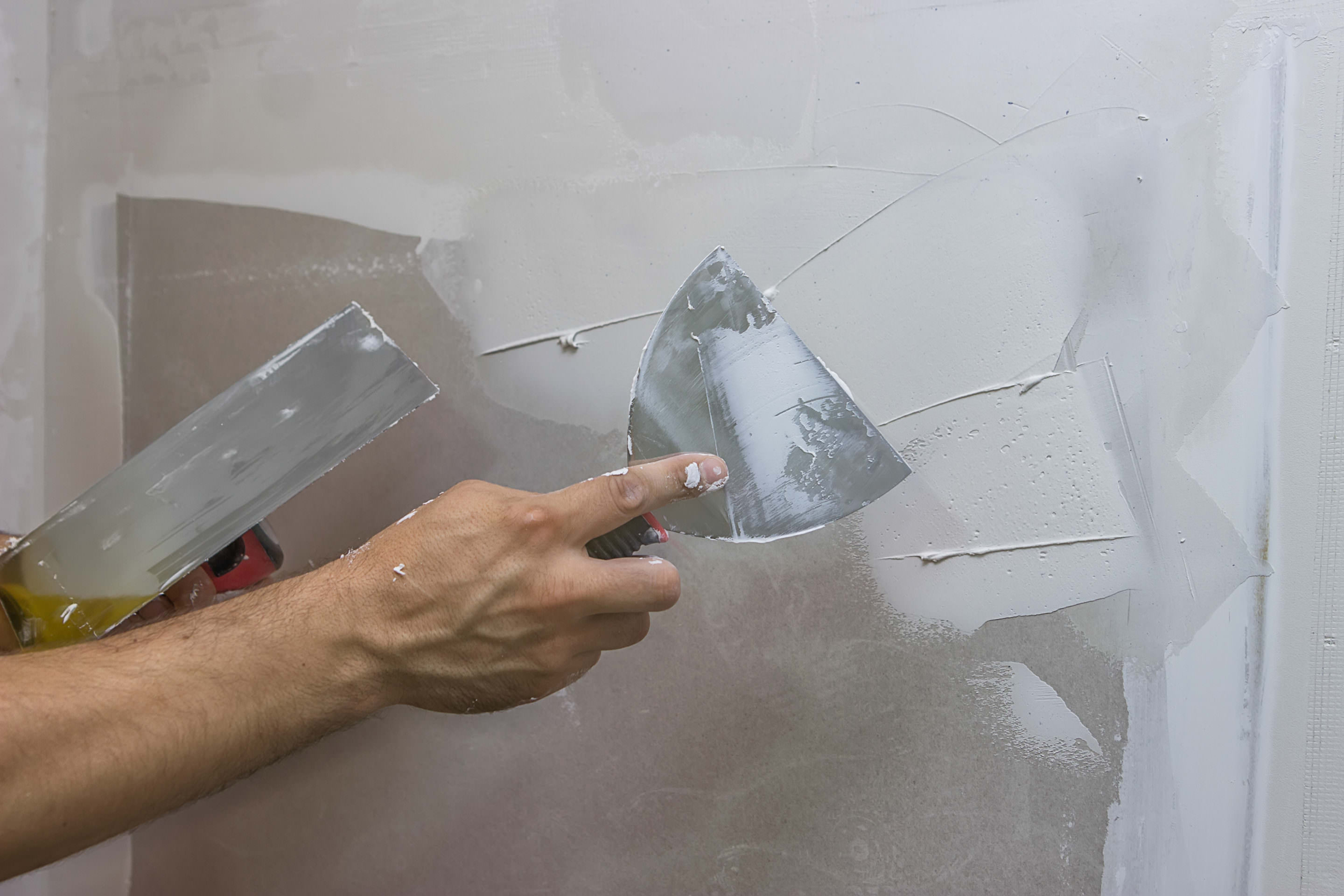
Light Carpentry and Repairs
Repairing and replacing siding, including wood, metalwork, stucco, and EIFS – as well as interior drywall, plaster and woodwork – making sure surfaces are in good condition and ready to accept paint.
Learn More

Off-hours and Weekend Production
If a project has specific timing requirements, we’re more than happy to accommodate them.
Learn More
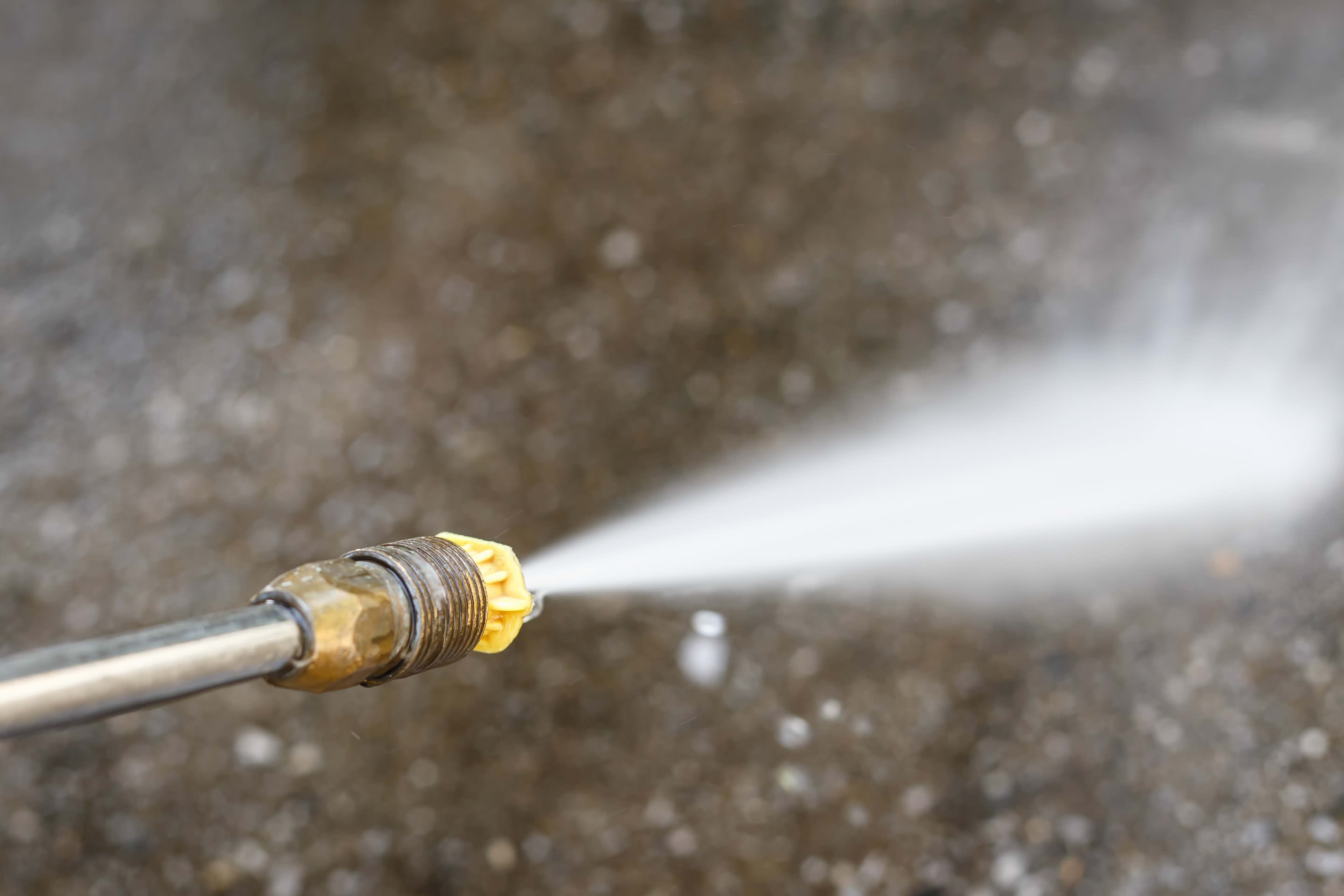
Power Washing
A clean surface is required for excellent paint adherence. When appropriate for the material, we offer power washing services before painting begins.
Learn More
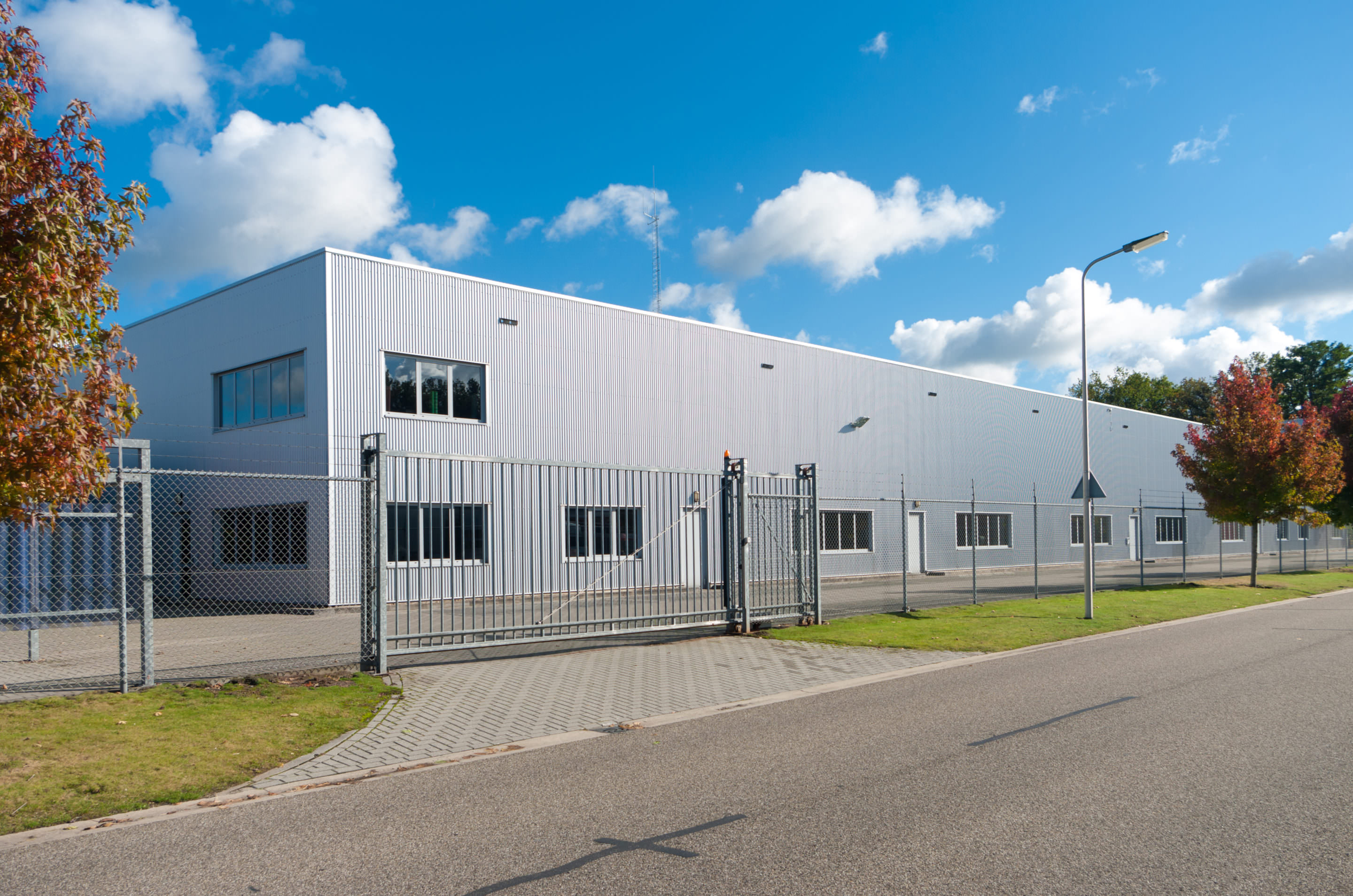
Tilt-up Repairs and Painting
We can patch and caulk any cracked areas for protection from water intrusion and to provide a smooth surface for paint application. We’re prepared to handle every aspect of difficult-access projects.
Contact Us

