



Commercial Painting FAQs
Answered by CertaPro Painters® of Kansas City Northland
Commercial Painting FAQs for Kansas City Northland Businesses
The commercial landscape throughout Kansas City Northland continues to expand with distribution centers, corporate offices, healthcare campuses, retail developments, multifamily communities, educational facilities, and municipal buildings. From Liberty and Gladstone to Parkville, Platte City, Riverside, Kearney, Smithville, and communities across Clay and Platte Counties, property owners are often balancing building appearance with preventative maintenance, tenant expectations, and long-term asset preservation.
Every commercial property presents its own operational challenges, which is why painting projects require more than simply choosing colors. Building materials, weather exposure, occupancy, scheduling constraints, and future maintenance goals all influence project planning. The FAQs below address common questions from facility managers, commercial landlords, business owners, and property management professionals throughout the Kansas City Northland.
Evaluating Commercial Painting Needs
How can a commercial property determine whether repainting should be scheduled this year?
Rather than relying solely on appearance, facility teams should evaluate how existing coatings are performing. Fading, chalking, peeling, exposed substrates, damaged caulking, corrosion, and recurring moisture stains often indicate that protective finishes are approaching the end of their service life. Regular building assessments help identify maintenance opportunities before deterioration becomes more extensive.
Why is a site visit important before preparing a commercial painting proposal?
A walkthrough allows the project team to evaluate access conditions, existing coatings, repair needs, occupant activity, specialty surfaces, and operational restrictions that cannot be measured accurately from drawings or square footage alone. The information gathered during an on-site assessment helps establish realistic expectations for preparation, scheduling, and project sequencing.
Should interior and exterior painting always be completed during the same project?
Not necessarily. Some organizations combine both to simplify planning, while others separate projects based on weather, available funding, operational priorities, or lease schedules. Dividing work into independent phases may allow exterior maintenance to occur during favorable weather while interior improvements are completed during periods of reduced occupancy.
How does preventative painting contribute to long-term facility management?
Protective coatings serve as one component of a broader building maintenance strategy. Maintaining painted surfaces before widespread failure occurs can help reduce unnecessary substrate repairs, preserve building materials, support a professional appearance, and make future maintenance planning more predictable for commercial property owners.
Missouri Weather and Exterior Building Performance
How do freeze-thaw cycles affect commercial buildings in the Kansas City Northland?
During winter, moisture may enter small openings around masonry, concrete, trim, and sealant joints. As temperatures fluctuate, repeated freezing and thawing can enlarge those openings, contributing to coating failure and moisture intrusion. Periodic inspections help identify these conditions before they spread across larger sections of the building envelope.
Why do warehouse and industrial buildings experience different exterior wear than office buildings?
Distribution centers and industrial properties often experience increased exposure to truck traffic, loading operations, airborne particulates, and large paved areas that retain heat. Combined with constant operational activity, these factors may influence how exterior coatings age compared to traditional office environments with lower levels of industrial use.
How can severe spring weather influence exterior maintenance planning?
Spring storms may bring heavy rain, hail, strong winds, and wind-driven debris that can damage coatings, sealants, or exposed substrates. Scheduling seasonal inspections after periods of severe weather allows maintenance teams to identify repairs before additional moisture or summer heat accelerates deterioration.
Do shaded and sun-exposed elevations require the same maintenance schedule?
Not always. Areas receiving prolonged sunlight may experience faster color fading and UV-related wear, while shaded elevations may remain damp longer following rainfall, increasing the likelihood of mildew or moisture retention. Evaluating each side of the building independently helps create a more accurate maintenance schedule.
Supporting Active Commercial Properties During Painting
How can painting projects be coordinated within busy medical office buildings?
Medical facilities frequently require scheduling around patient appointments, staff circulation, treatment rooms, waiting areas, and building access. Dividing work into smaller phases allows portions of the facility to remain operational while other areas are temporarily isolated for maintenance activities.
What planning helps minimize disruptions inside occupied office buildings?
Successful projects begin with a clear understanding of employee schedules, conference room usage, security procedures, shared workspaces, and areas requiring uninterrupted access. Organizing work by department or individual work zones helps maintain productivity while painting progresses through the facility.
How are painting schedules adapted for logistics and distribution facilities?
Facilities with frequent shipping activity often require coordination around loading docks, truck routes, inventory movement, and warehouse operations. Establishing work zones that complement existing traffic patterns helps support safety while minimizing disruptions to daily logistics.
What considerations are important when repainting common areas in apartment communities?
Clubhouses, corridors, fitness centers, leasing offices, stairwells, and shared amenities often receive consistent resident traffic. Scheduling improvements in carefully planned phases, while communicating temporary access adjustments in advance, helps property managers maintain a positive resident experience throughout the project.
Preparing Commercial Buildings for Lasting Results
Why is surface preparation considered one of the most important stages of a commercial painting project?
The performance of a new coating system depends heavily on the condition of the surface beneath it. Before paint is applied, commercial buildings may require washing, scraping, sanding, patching, joint sealing, rust removal, drywall repairs, or spot priming. Investing time in preparation helps coatings adhere more consistently while creating a cleaner, more uniform finish across the property.
How are projects managed when unpredictable Missouri weather interrupts exterior work?
Commercial schedules are typically developed with enough flexibility to accommodate changing weather conditions. If rain, excessive humidity, or unsuitable temperatures occur, work may temporarily shift to preparation tasks, protected building elevations, or approved interior spaces. Adjusting the schedule around environmental conditions helps protect coating performance without unnecessarily delaying overall project progress.
How can painting crews work around parking lots and high-traffic entrances?
Many Northland businesses experience steady customer traffic throughout the day, particularly near retail corridors and office developments. Work can be divided into manageable sections so entrances, accessible parking, sidewalks, and primary walkways remain available whenever possible. Temporary signage and phased work zones help visitors safely navigate the property during maintenance.
What steps help protect office equipment and commercial interiors during painting?
Before work begins, furniture, technology, displays, inventory, flooring, and other sensitive materials should be identified and protected. Coverings, masking materials, temporary barriers, and coordinated furniture movement help safeguard occupied spaces while allowing work to proceed efficiently. A documented protection plan also helps minimize disruptions for employees and tenants.
Selecting the Right Commercial Painting Partner
What should facility managers compare when reviewing commercial painting proposals?
Rather than comparing total price alone, proposals should be evaluated for their scope of work, preparation methods, coating systems, project schedule, access planning, cleanup procedures, and communication process. Understanding exactly what is included allows property owners to make more informed decisions and better anticipate project expectations.
Why is regional knowledge valuable for commercial painting projects in the Northland?
Commercial properties throughout Clay and Platte Counties experience a combination of seasonal weather, expanding development, varied building styles, and diverse business operations. Familiarity with these local conditions can help shape practical recommendations for project timing, coating selection, maintenance planning, and work sequencing that align with the needs of Northland businesses.
How are coating systems selected for different commercial building materials?
Different substrates perform best with different coating systems. Masonry, drywall, structural steel, aluminum, wood, concrete, and previously painted surfaces each have unique preparation and product requirements. Selecting coatings that are compatible with both the substrate and the building’s operating environment helps support long-term performance and easier future maintenance.
When should a commercial property begin discussing its next painting project?
Planning typically produces the best results when discussions begin before coatings show widespread failure. Starting early gives property managers time to review budgets, inspect existing conditions, coordinate with tenants or departments, and schedule work during the most appropriate season for the facility’s operational needs.
Commercial Services We Offer
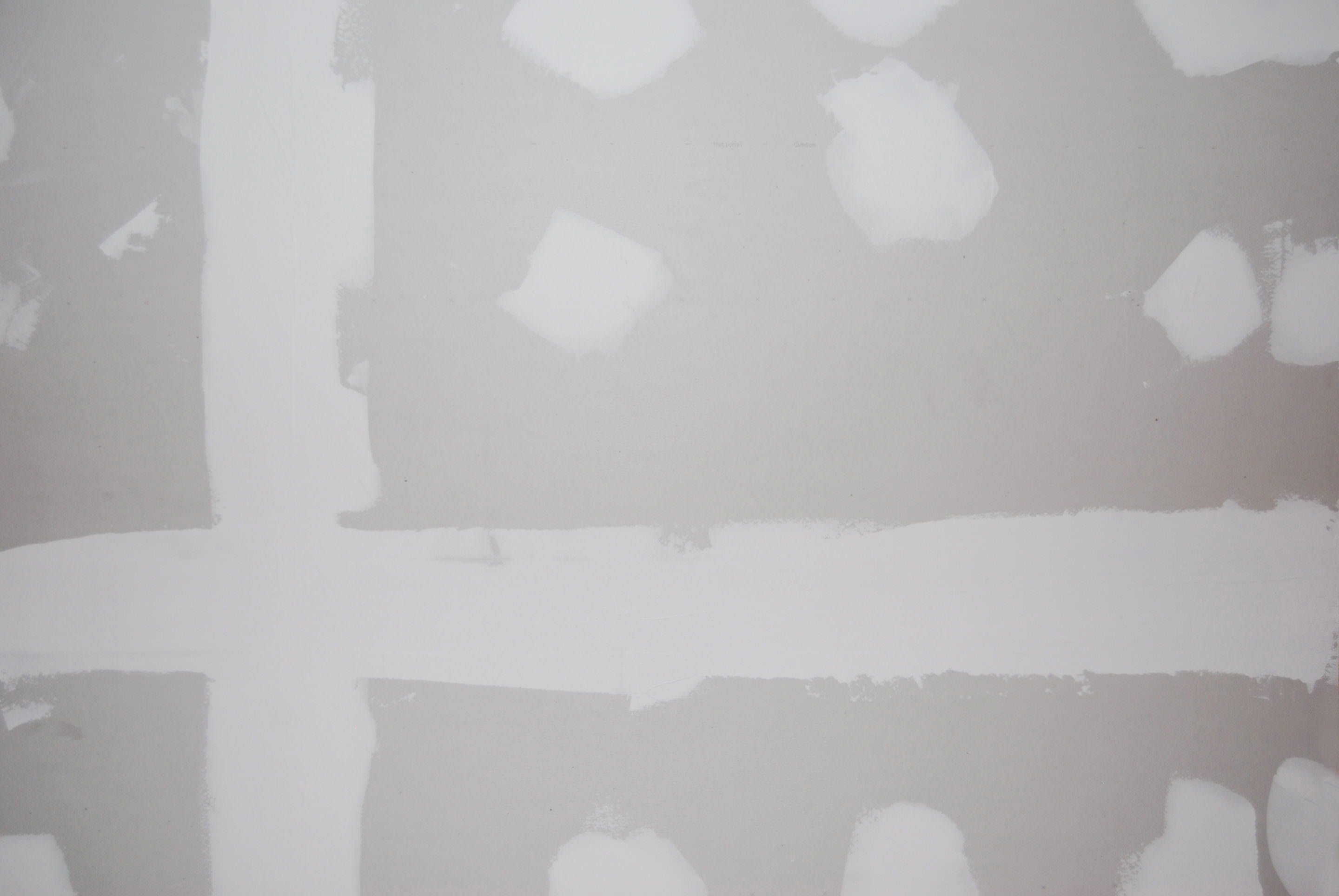
Drywall Repair
Drywall panels can be repaired or replaced, eliminating signs of wear and tear.
Learn More
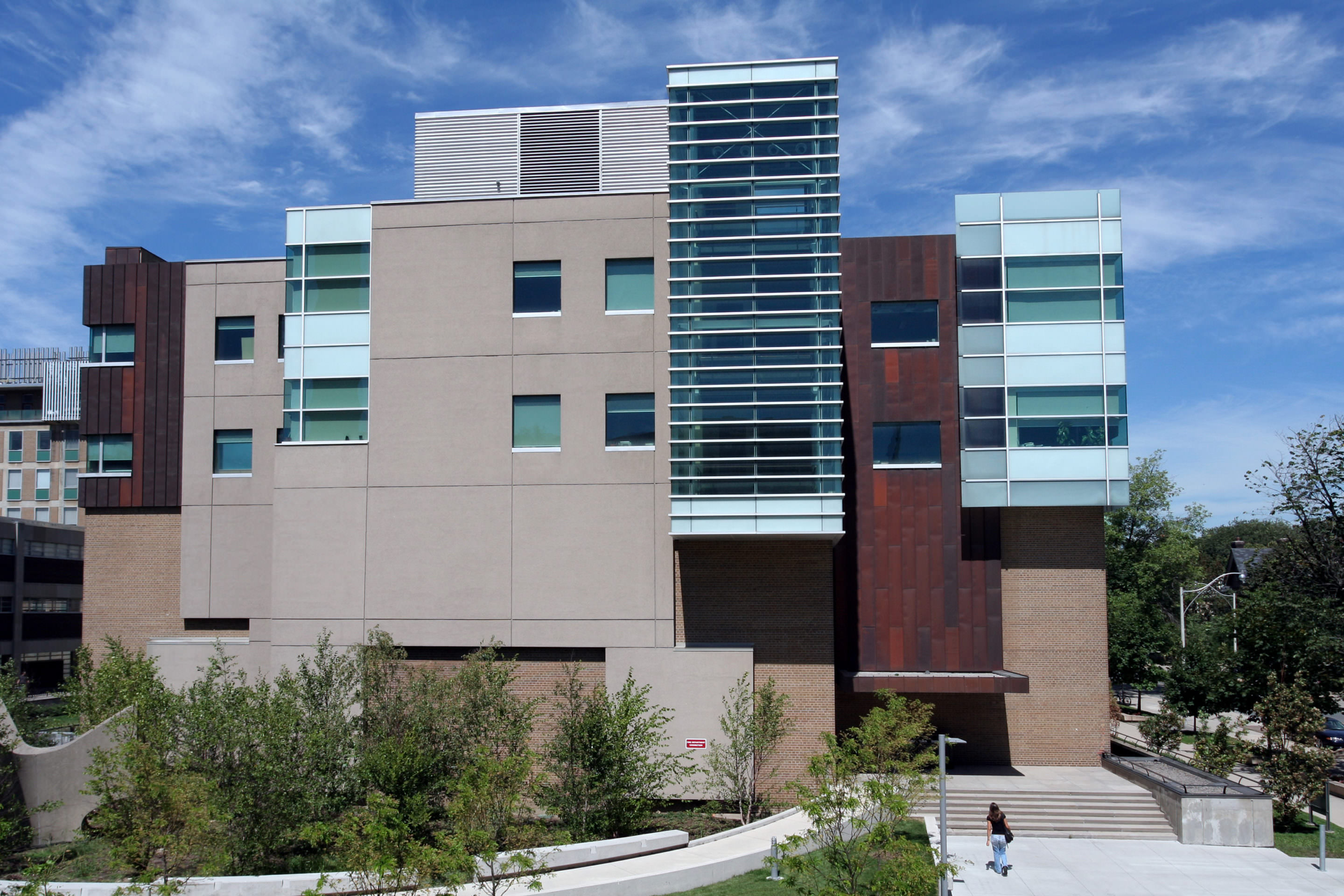
Exterior Painting
Quality exterior painting can transform a building with color, whether the project calls for conforming to existing standards or making a fresh, bold statement. We can paint all substrates including wood, stucco, vinyl and aluminum, block and cement board.
Learn More
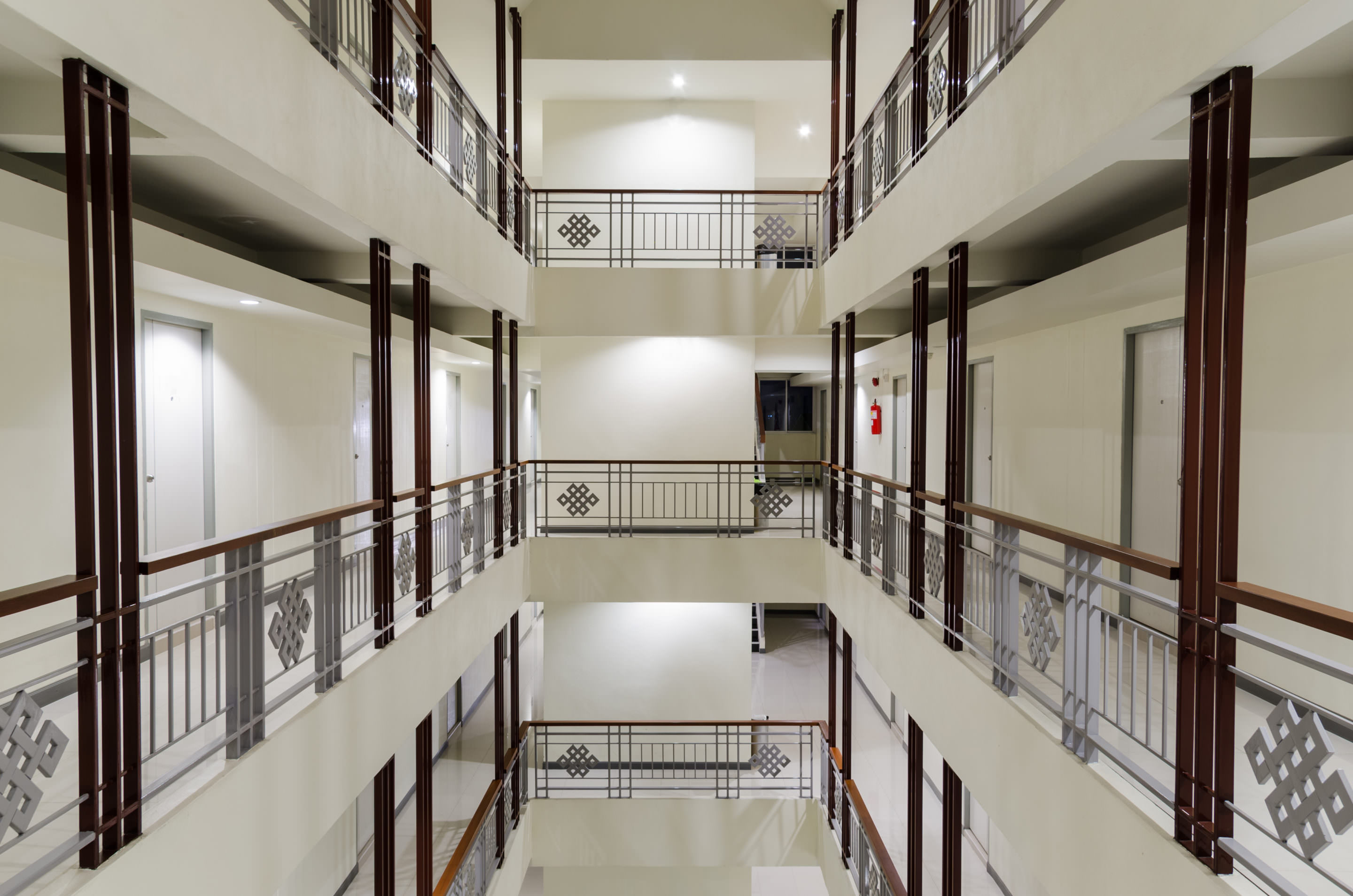
High-Durability Coatings
Our team is skilled in applying high-durability coatings for floors, walls, and high-wear areas requiring long-term painting solutions.
Contact Us
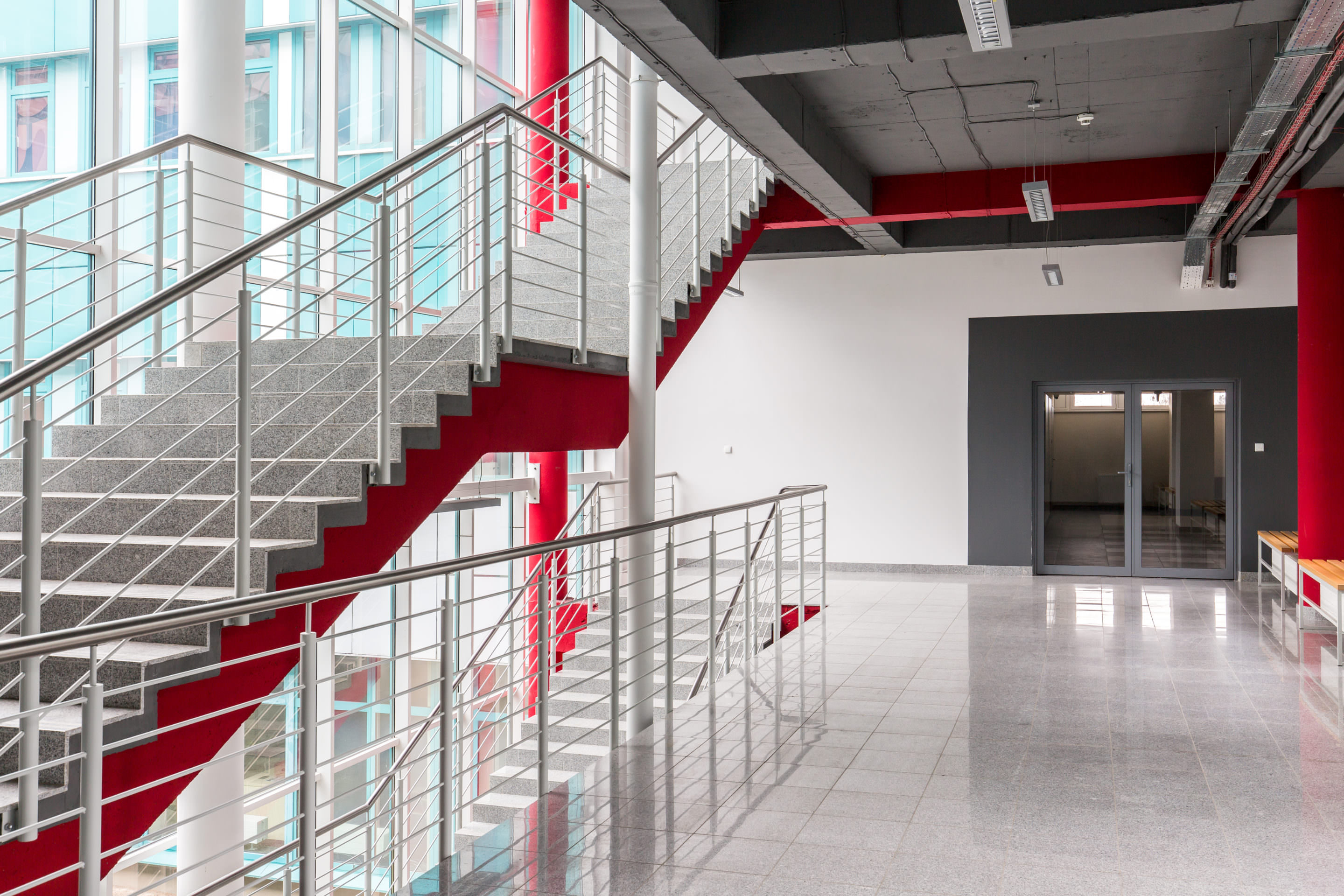
Interior Painting
We understand that the appearance and maintenance of your commercial property make a lasting impression. Whether you manage an office, retail space, healthcare facility, or warehouse, our commercial interior painting services are designed to create a clean, professional environment that reflects your brand and supports your business goals.
Learn More
Light Carpentry and Repairs
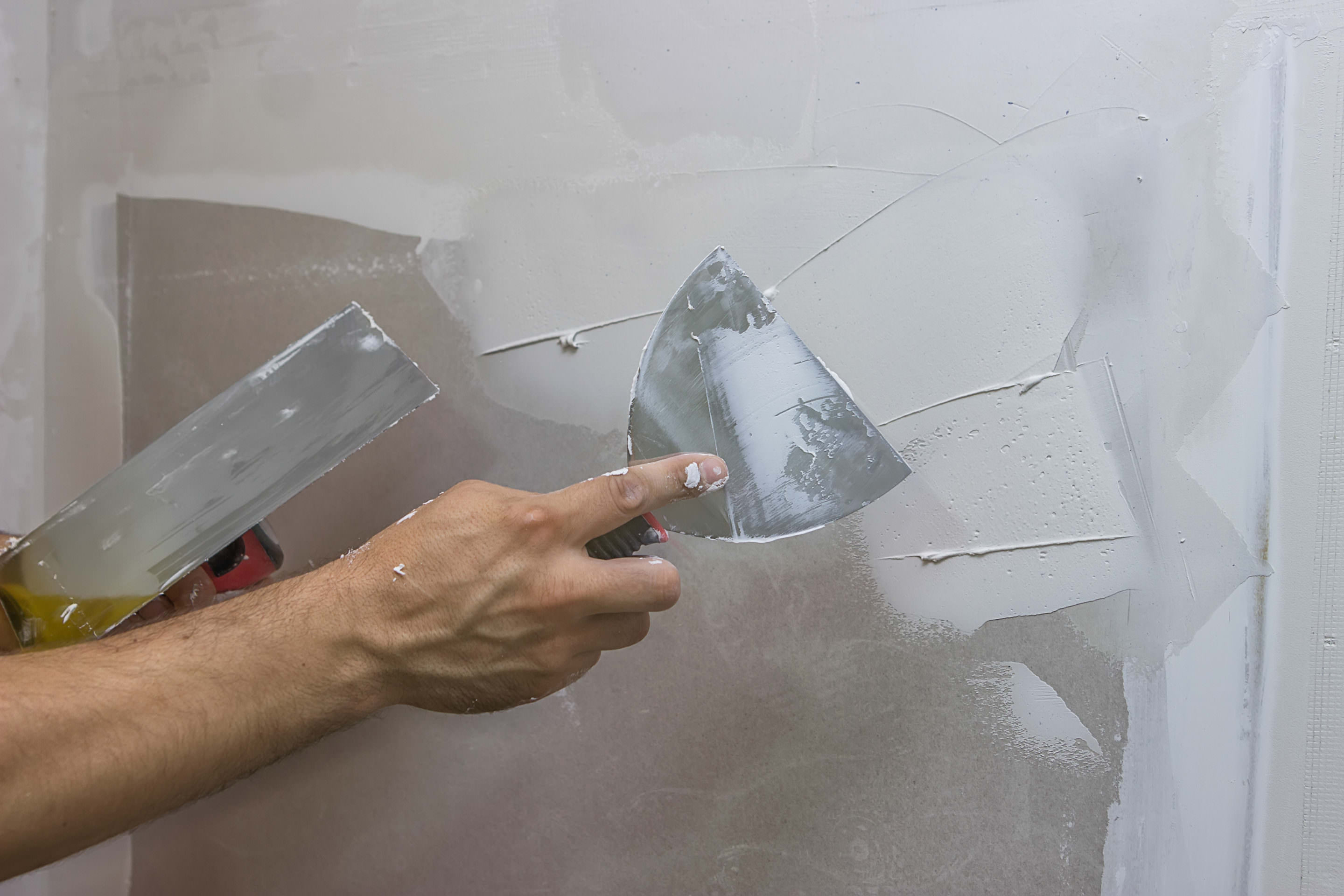
Repairing and replacing siding, including wood, metalwork, stucco, and EIFS – as well as interior drywall, plaster and woodwork – making sure surfaces are in good condition and ready to accept paint.
Learn More

Off-hours and Weekend Production
If a project has specific timing requirements, we’re more than happy to accommodate them.
Learn More
Power Washing
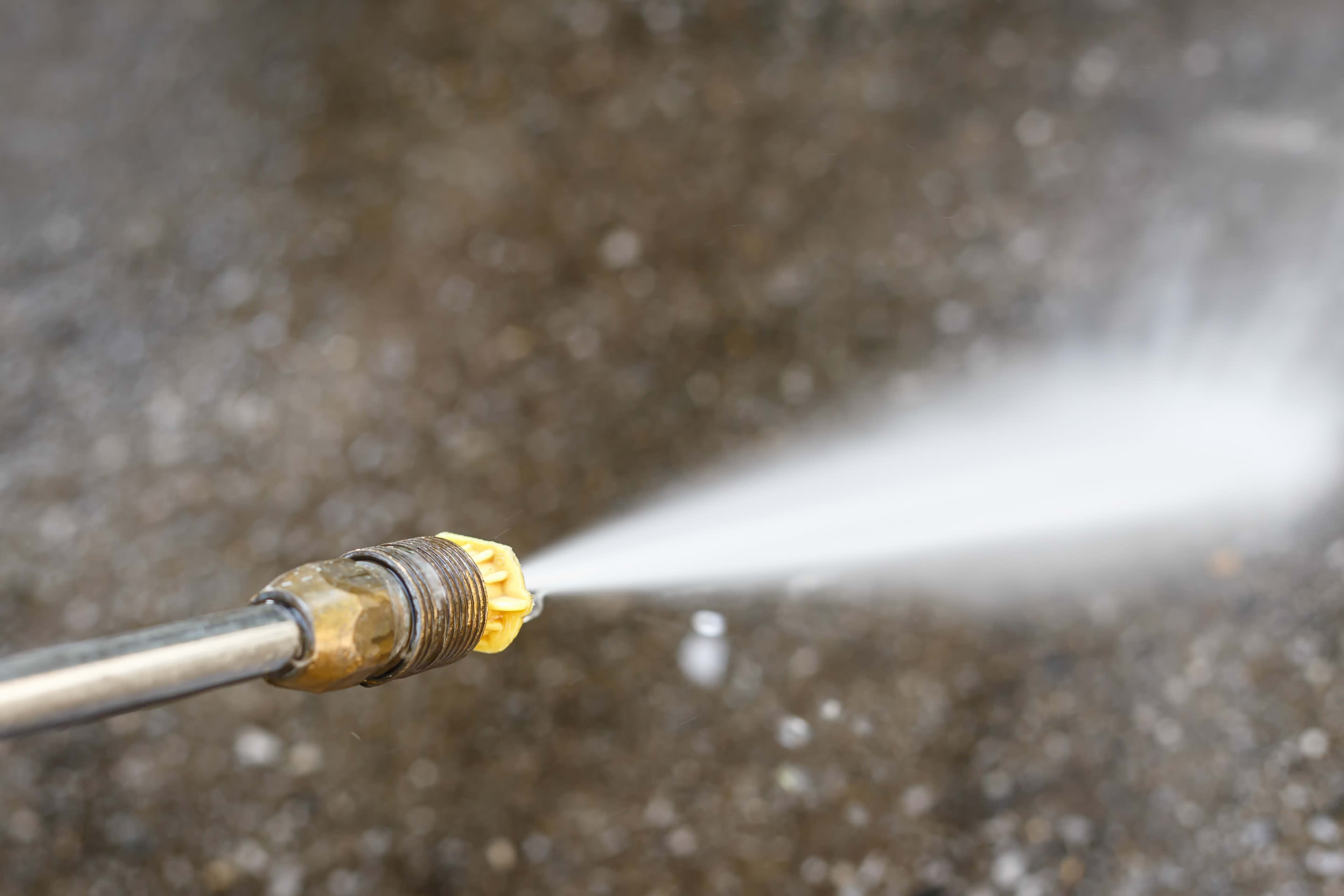
A clean surface is required for excellent paint adherence. When appropriate for the material, we offer power washing services before painting begins.
Learn More
Tilt-up Repairs and Painting
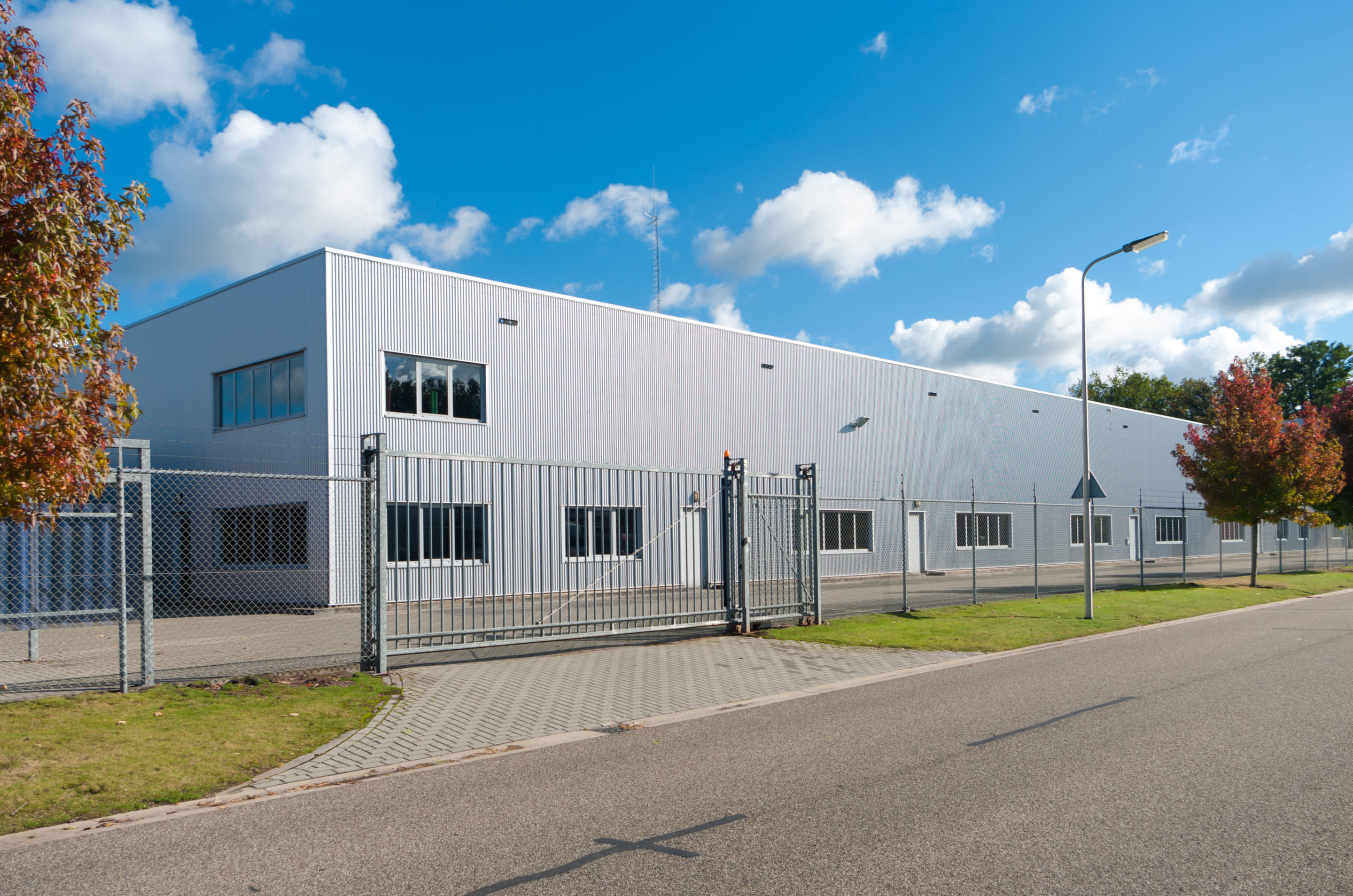
We can patch and caulk any cracked areas for protection from water intrusion and to provide a smooth surface for paint application. We’re prepared to handle every aspect of difficult-access projects.
Contact Us

