



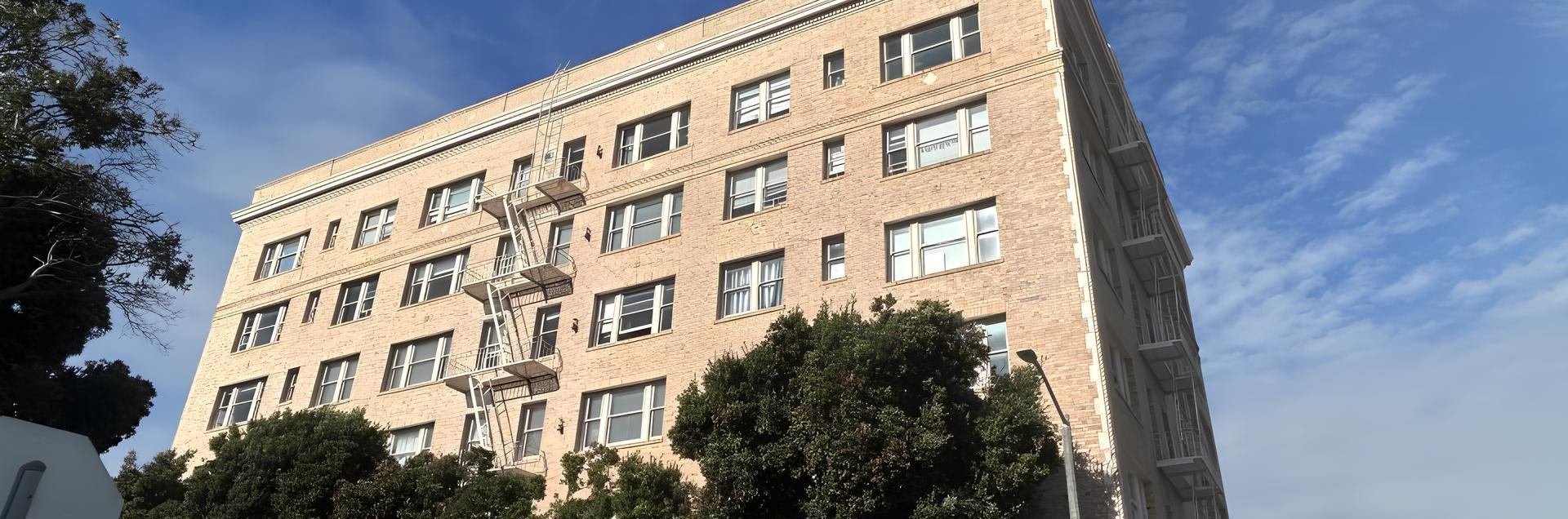
What It Really Takes to Restore a San Francisco Landmark
Posted on April 2, 2026



San Francisco’s architecture is the bedrock of the city. When a multi-generational property owner calls about a nearly 100-year-old apartment building, the conversation isn’t really about paint: It’s about stewardship, trust and the responsibility of keeping something meaningful intact.
That’s the type of project CertaPro Painters of San Francisco was built to take on.
Nearly a Century of History
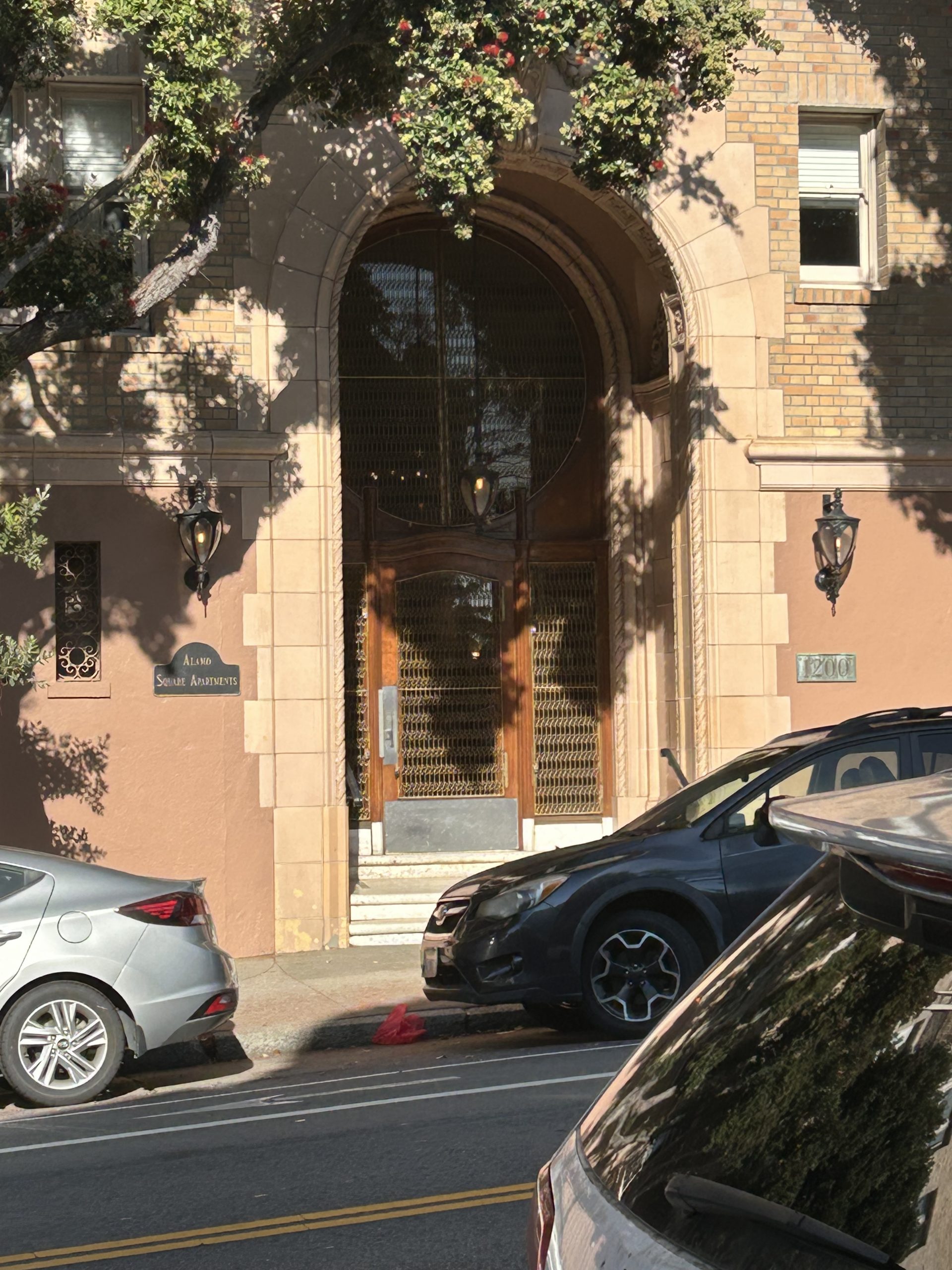
Constructed in 1927 and perched on the Alamo Square ridgeline, this building commands sweeping views across San Francisco, appearing taller than its eight stories because of the elevated terrain. It has been in the same family for over 80 years, passed down through generations, and sits in a neighborhood recognized for its historic significance. During World War II, it was even designated as a bomb shelter.
Buildings like this don’t tolerate shortcuts. They require contractors who understand how to work with aged masonry, historic architectural detailing and the complexity of occupied multi-family properties.
The Scope: Far Beyond Paint
When scaffolding goes up on a building like this, tenants feel it immediately: views disappear and natural light is cut. For residents on upper floors with panoramas of the city, it’s a sacrifice.
The owner is direct about the stakes:
The tenants are suffering because of the scaffolding and the netting, which ruins their view. Which is another reason we only do one side at a time.
This is why the project is executed one side of the building at a time, and why a full crew on site every single day isn’t a preference, it’s a requirement.
Restoring the exterior of a nearly 100-year-old masonry building in San Francisco is a fundamentally different undertaking than a standard commercial repaint. CertaPro Painters’ scope on the east side included:
- Masonry repointing — hundreds of hours of careful mortar work to protect the building envelope long-term
- Brick cleaning and sealing — removing old paint from the brickwork and applying a clear waterproof coating to guard against moisture intrusion
- Wood trim restoration — sanding, priming and finish coats on all fascia, soffits and windows
- Fire escape restoration — industrial-grade coating over primer, specified for durability in an urban coastal environment
- Cornice restoration — the top molding, heavily rusted over nearly a century, had to be completely remade before it could be refinished
- Incidental repairs — screens, vents and grates addressed as conditions were uncovered during the project
The project also required a City of San Francisco street space permit for scaffolding — a process CertaPro Painters managed entirely.
Navigating SF Codes and Permits
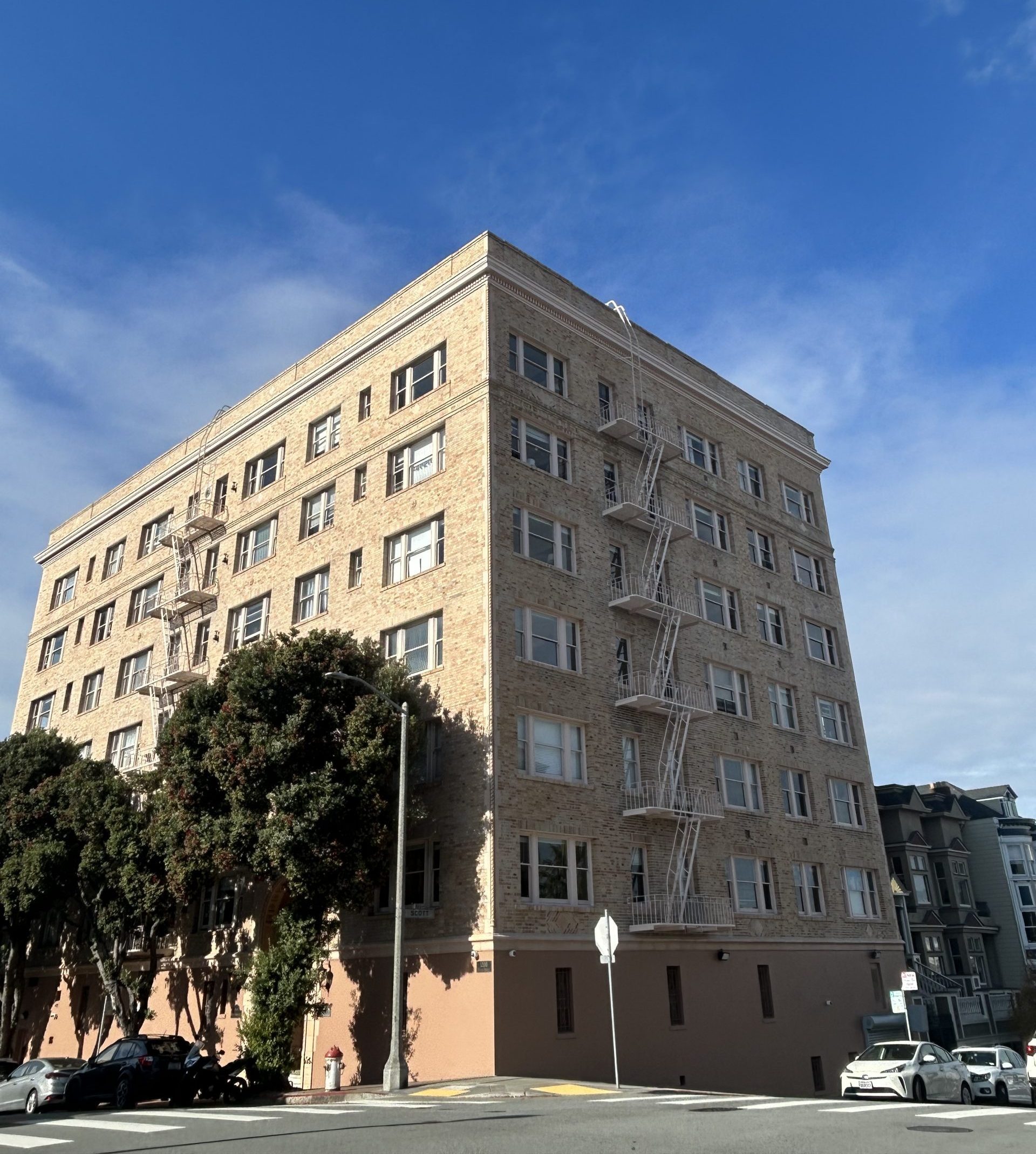
Working on a historic, occupied multi-family building in San Francisco means operating within a specific regulatory environment. Street space permits from the SF Department of Public Works are required whenever scaffolding extends into the public right-of-way, which is nearly unavoidable on a dense urban block. Proper insurance documentation, coordination with the city, and permit fees are all part of commercial projects in San Francisco.
For buildings of this era, California EPA lead paint protocols also apply. CertaPro Painters of San Francisco holds EPA Lead-Safe Certification, and all preparation work is conducted in full compliance. Property owners who work with contractors unfamiliar with these requirements often discover the gaps at the worst possible time.
The Relationship Behind the Results
What distinguishes long-term commercial partnerships from one-off transactions isn’t the paint, it’s the people and the process. This owner has worked with CertaPro for years, cycling through one side of the building every few years as part of a deliberate maintenance plan. What keeps that relationship intact is straightforward:
I am just happy he shows up when he says he will show up and keeps a full crew until it’s done. We cannot afford to have them take on other jobs.
The owner is hands-on — personally climbing the scaffolding to inspect the work as it progresses. That requires a crew and foreman team that is communicative, receptive, and thorough. As he put it: once the scaffolding comes down, that’s it. The team knows it, and they work accordingly.

