



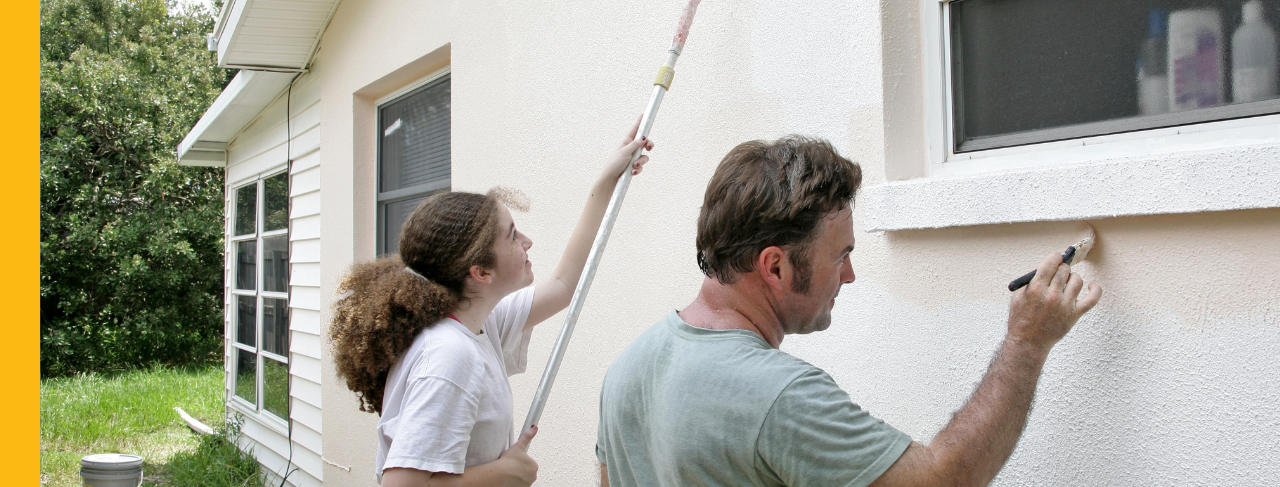
The Transition to Exterior Painting in Northern Illinois
Posted on April 12, 2026



In Palatine, early spring marks a turning point. After months of freezing temperatures and snow, conditions begin to stabilize enough for exterior work to resume—but not without preparation.
This is the phase where successful painting projects are decided. Before any new coat goes on, surfaces need to be properly addressed to handle the region’s seasonal extremes. The difference between a finish that lasts and one that fails early usually comes down to how well the prep work is done.
What Winter Leaves Behind
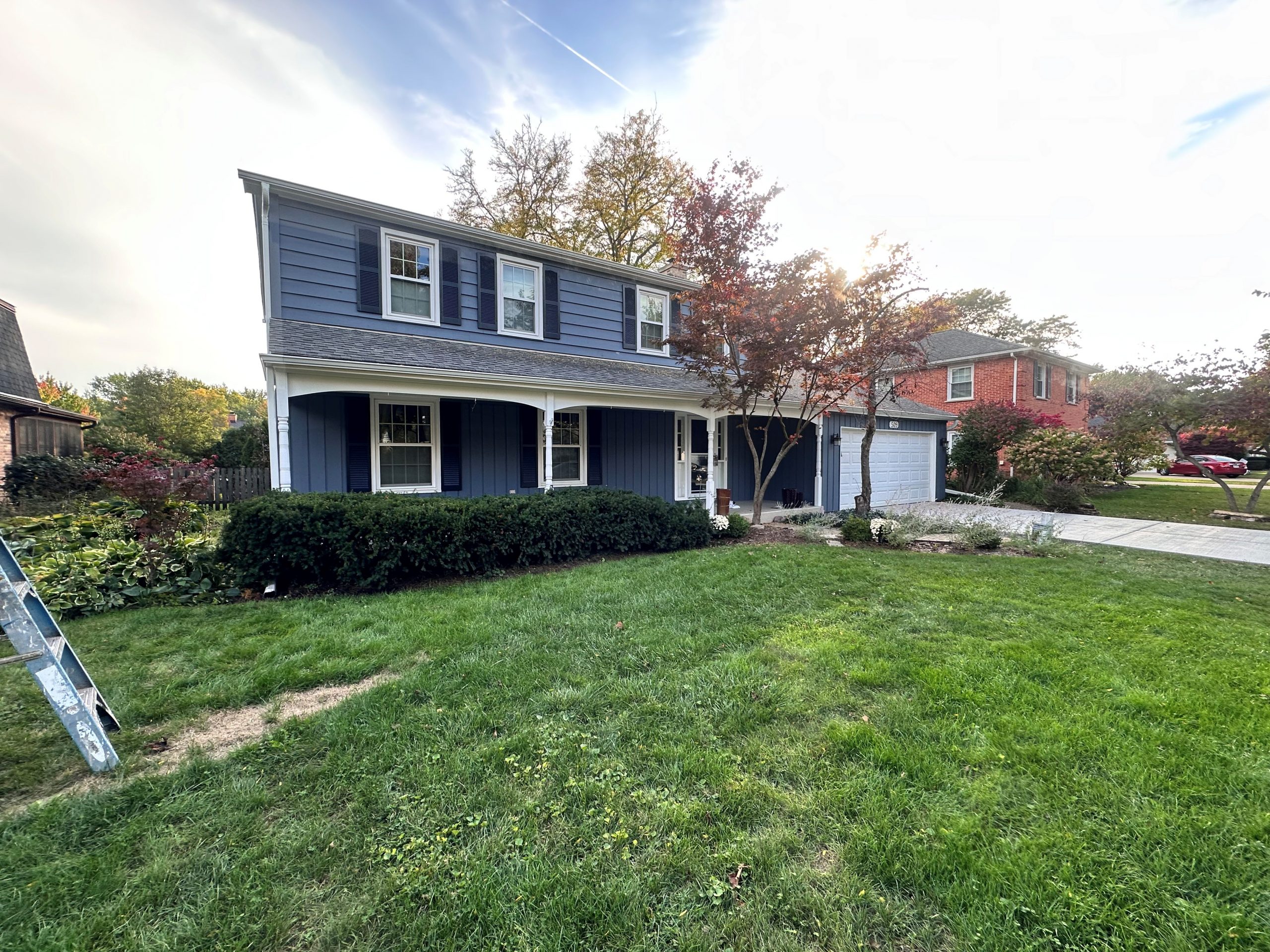
Northern Illinois winters are tough on exterior surfaces. Constant freeze-thaw cycles cause paint to expand and contract, often resulting in peeling, cracking, or weakened adhesion.
By the time spring arrives, many homes show:
- Flaking or bubbling paint
- Exposed wood or siding
- Areas where previous coatings have thinned or worn away
These aren’t just cosmetic issues. They create weak points that will continue to degrade if they aren’t properly addressed before repainting.
Scraping: Creating a Stable Surface
Scraping removes any paint that’s no longer firmly attached. While it can be time-intensive, it’s one of the most important steps in the process.
A clean, stable surface allows new paint to bond directly to the material underneath rather than sitting on top of failing layers. It also helps identify areas that may need minor repairs, such as soft wood or small gaps. Skipping this step often leads to premature peeling, even if the new paint initially looks good.
Priming: Ensuring Proper Adhesion
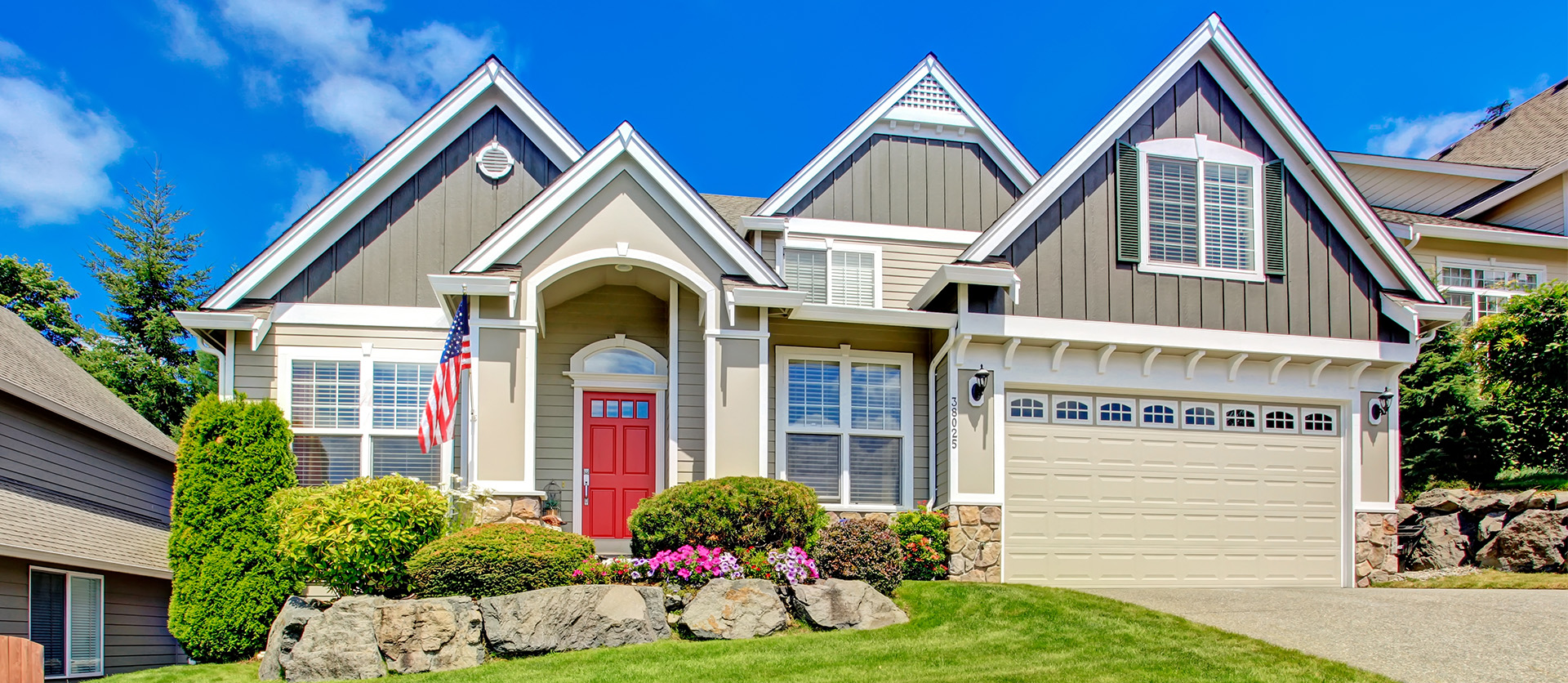
After scraping, priming creates the foundation for the new finish. Primer helps seal the surface, improves adhesion, and evens out differences between bare and previously painted areas.
In Palatine homes, priming is especially important where surfaces have been exposed or repaired. Without it, the final coat can appear uneven and may not hold up through seasonal temperature swings. For homeowners evaluating materials, exterior systems from Sherwin-Williams include primers and topcoats designed to handle Midwest conditions.
Waiting for Consistent Spring Conditions
Even as temperatures rise, timing still matters. Exterior painting works best when conditions remain steady during both application and drying.
In this region, that typically means waiting until:
- Daytime temperatures consistently stay above recommended levels
- Nights are less likely to drop below critical thresholds
- Surfaces remain dry throughout the process
Painting too early in the season can compromise both adhesion and curing, reducing the lifespan of the finish.
Building a Finish That Lasts
The visible part of a painting project is the final coat, but its durability depends on everything that comes before it. Scraping and priming ensure the surface is ready to support that finish through heat, humidity, and winter conditions.
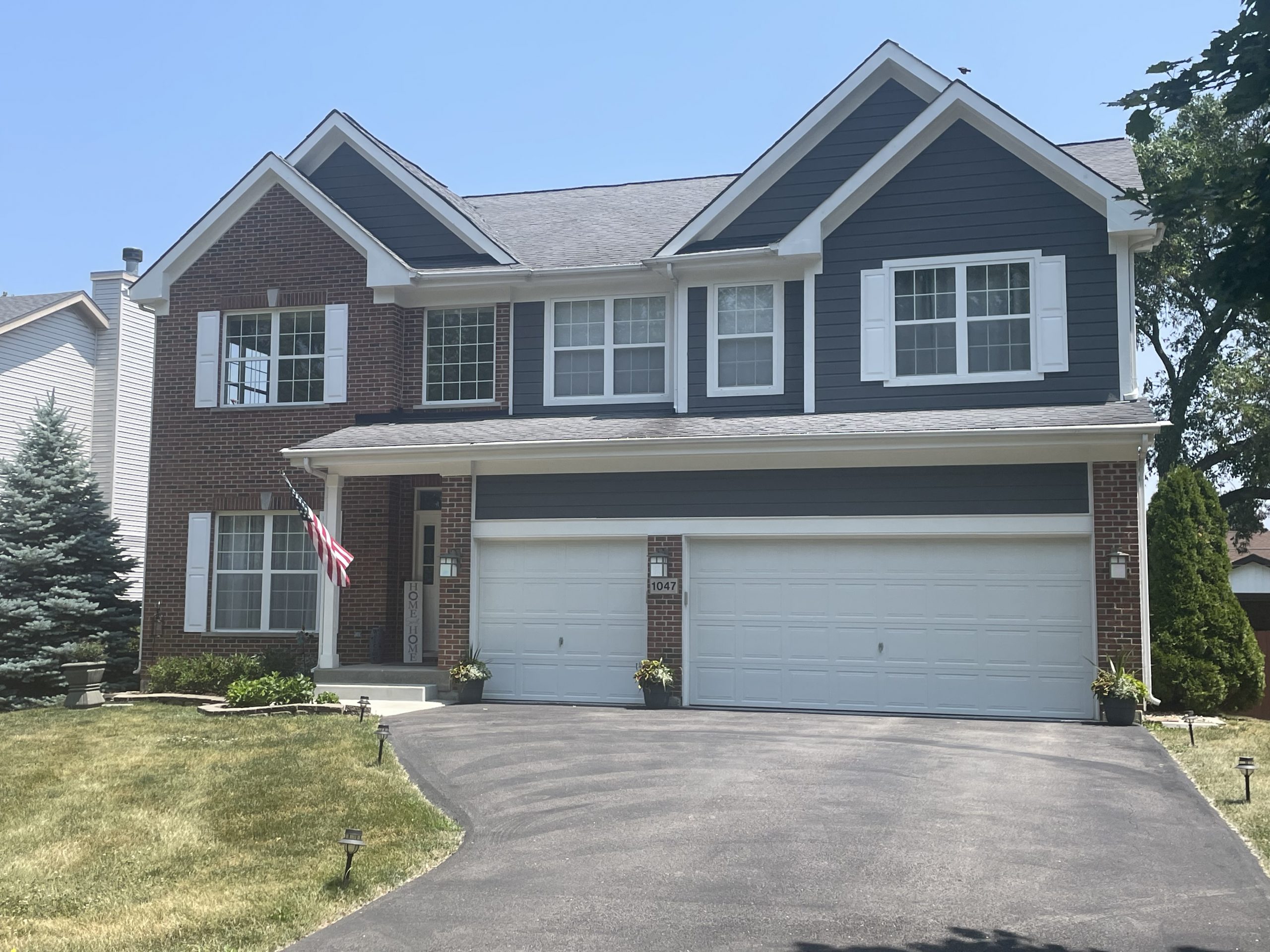
For Palatine homeowners, this transition period isn’t just about starting exterior work—it’s about setting it up correctly. Just check out a few of our previously completed projects.
Getting Your Palatine Home Ready for the Season
As Northern Illinois moves into more predictable spring weather, now is the time to focus on preparation. Addressing peeling paint, priming exposed areas, and working within stable conditions will lead to a cleaner, longer-lasting result.
With the right approach, your exterior painting project won’t just improve appearance—it will provide lasting protection through every season that follows. Get started with our painters today!

