



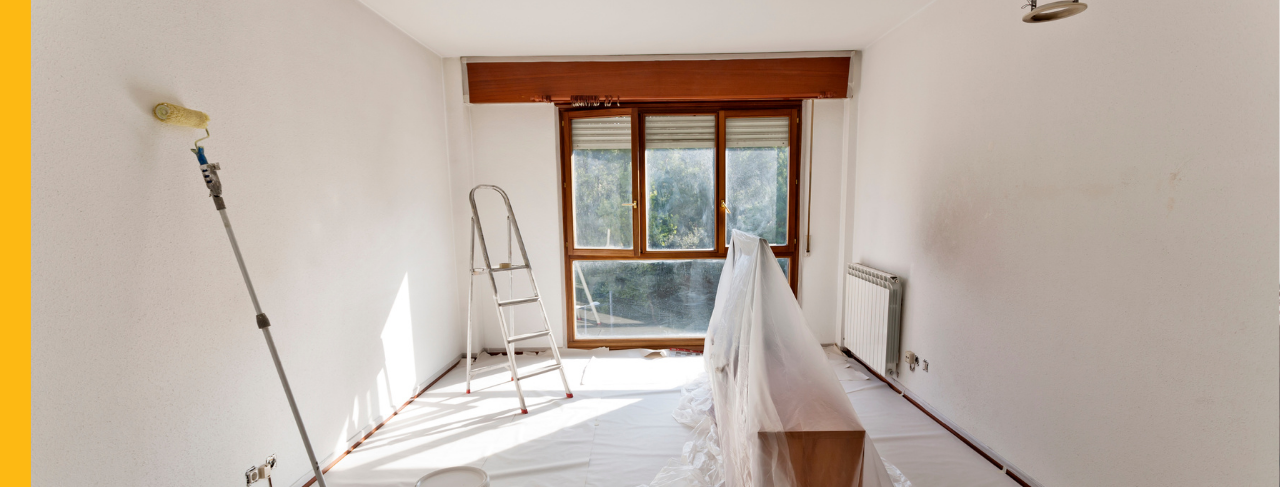
Removing Smoke Odor From Walls: A Homeowner’s Guide to Cleaning, Priming, and Painting
Posted on July 24, 2026



Smoke smells can remain in a home after years of cigarette use, a poorly vented fireplace, a smoky cooking incident, or a small household fire. Even after the cause has been removed, the odor may continue to affect the room. Simply airing out the house or covering the walls with ordinary paint generally will not resolve the problem completely.
The microscopic particles carried by smoke can settle on and penetrate paint, drywall, molding, and other porous building materials. Fully addressing the smell requires more than surface-level painting. The walls must be properly cleaned, dried, sealed, and refinished.
This guide explains why smoke odors persist, how homeowners in Poway and East San Diego can prepare walls for repainting, and which odor-blocking primers may provide the most effective long-term results.
Key Takeaways:
- Smoke contamination is not limited to the wall’s surface. Microscopic smoke particles can enter existing paint, drywall, and other absorbent materials, causing odors to remain after the room has been aired out.
- Walls must be thoroughly cleaned before they are painted. Removing soot, cooking grease, tar, nicotine, and other residue helps primer and paint adhere while reducing the risk of stains and odors reappearing.
- Interior paint alone is not an odor-removal system. Premium paint performs best when the walls have been prepared correctly and coated with a suitable stain- and odor-blocking primer.

Why Does Smoke Odor Stay in Walls?
Smoke is made up of tiny particles that may contain tar, oil, soot, and additional contaminants. As the smoke circulates, the residue settles across walls, ceilings, trim, and other surfaces. Given enough time, these particles can work through the paint film and into the absorbent materials below. As a result, the smell may reappear months after the original smoke source is gone. Frequent causes of lingering odors include:
Cigarette or cigar smoke
Fireplace or wood-burning stove smoke
Burnt food or cooking smoke
Minor fire damage
Smoke residue generally becomes more difficult to eliminate the longer it is allowed to remain on or inside the walls.
4 Steps to Remove Smoke Odor
Smoke can affect multiple layers of the painted surface, which means a quick cleaning or simple repaint is unlikely to be sufficient. Following a proven preparation process can help return the home to the clean, familiar atmosphere it had before the smoke odor developed.
Step 1: Clean the Walls Thoroughly
The first step is to remove as much surface residue as possible before priming. If soot, grease, or nicotine remains on the walls, the primer may not bond correctly, and the odor or staining may eventually pass through the newly painted surface.
The appropriate cleaning product will depend on the type and severity of the residue. Options may include:
Mild detergent for light residue
Degreasing cleaners for kitchens
TSP, or trisodium phosphate, or a TSP substitute for substantial smoke or nicotine buildup
Cleaning products should always be used according to the manufacturer’s directions. When stronger solutions are necessary, homeowners should wear the recommended protective clothing and equipment.
Step 2: Allow the Walls to Dry Completely
Once cleaning is complete, the walls need enough time to dry before the priming process begins.
Applying primer to a damp wall may interfere with bonding and could seal moisture underneath the coating. This can contribute to peeling, bubbling, or other finish problems over time.
Air movement and moisture control can help the surface dry more quickly. Homeowners may open windows, use circulating fans, or operate a dehumidifier. Actual drying time will depend on ventilation, humidity, the cleaning products used, and the wall’s condition.
Step 3: Seal Smoke Odors with an Odor-Blocking Primer
After the walls have been cleaned and have dried completely, a high-performing odor-blocking primer should be applied.
This stage is essential because a standard multipurpose wall primer may improve adhesion but still allow nicotine staining or smoke odor to migrate through the new finish.
Look for a product specifically formulated to block both stains and odors. Depending on the conditions in the home, a painting professional may suggest:
Shellac-based primers for extensive smoke damage and persistent smells
Oil-based stain-blocking primers for noticeable discoloration and odor control
Advanced waterborne odor-blocking primers for mild smoke damage and lower application odor
The primer creates a sealed layer between the contaminated surface and the new finish paint. This helps prevent remaining smoke residue from bleeding through and provides a stable base for the final coatings.
The best primer will depend on the intensity of the smoke exposure, the wall or trim material, and whether the surfaces have experienced staining or other damage.
Step 4: Apply High-Quality Interior Paint
Once the odor-blocking primer has cured, the walls can receive their finish paint.
High-quality interior coatings provide rich color, durability, and a washable finish suitable for daily household use. Applying two finish coats will usually produce the most even coverage and professional appearance. The paint sheen should also be chosen according to the room, moisture level, and expected amount of activity.
Are Professionals Required for Odor Removal?
A lightly affected room may be manageable as a homeowner project when the walls can be cleaned completely and the correct primer is available. Professional assistance is often worthwhile when the smoke problem includes:
Several rooms with smoke contamination
Long-term cigarette smoke exposure
Severe nicotine staining
Tall ceilings or inaccessible wall areas
Smoke damage related to a household fire
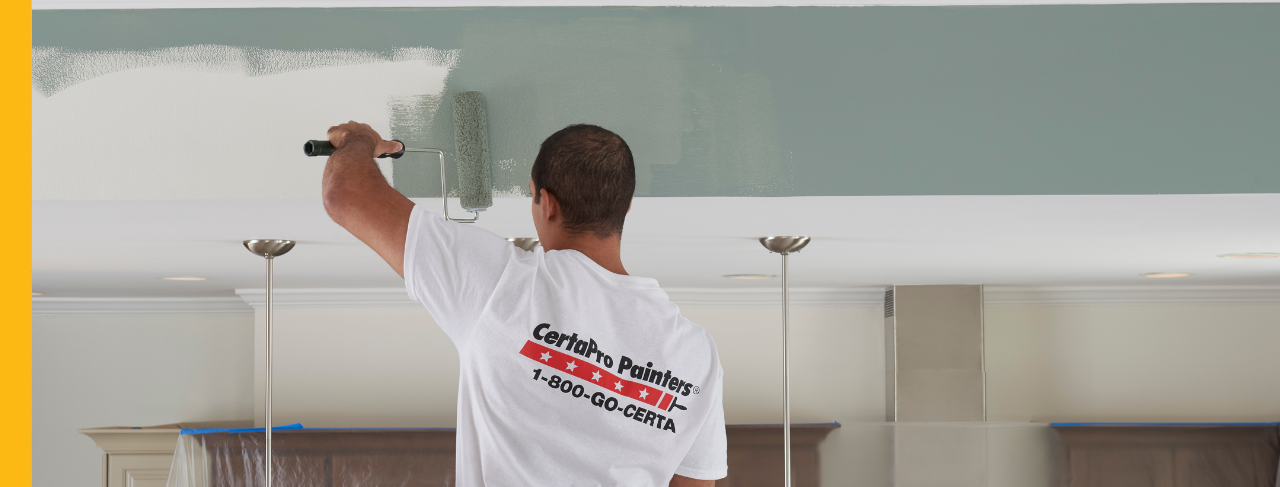
Experienced painters know which products are designed for different types of smoke contamination and understand how to prepare walls without trapping residue beneath the new finish. Professional application can improve durability and limit the possibility of odors returning.
Restore Your Home with Professional Interior Painting
A smoke smell can be difficult to address, but it does not always require replacing the walls. Many painted surfaces can be renewed through careful washing, complete drying, an appropriate odor-blocking primer, and durable interior paint.
Property owners in Poway and East San Diego can turn to CertaPro Painters® of East San Diego/Poway for help evaluating smoke-affected walls. The team can recommend the right cleaning and sealing approach and complete the interior painting work needed to restore the home’s appearance.

