



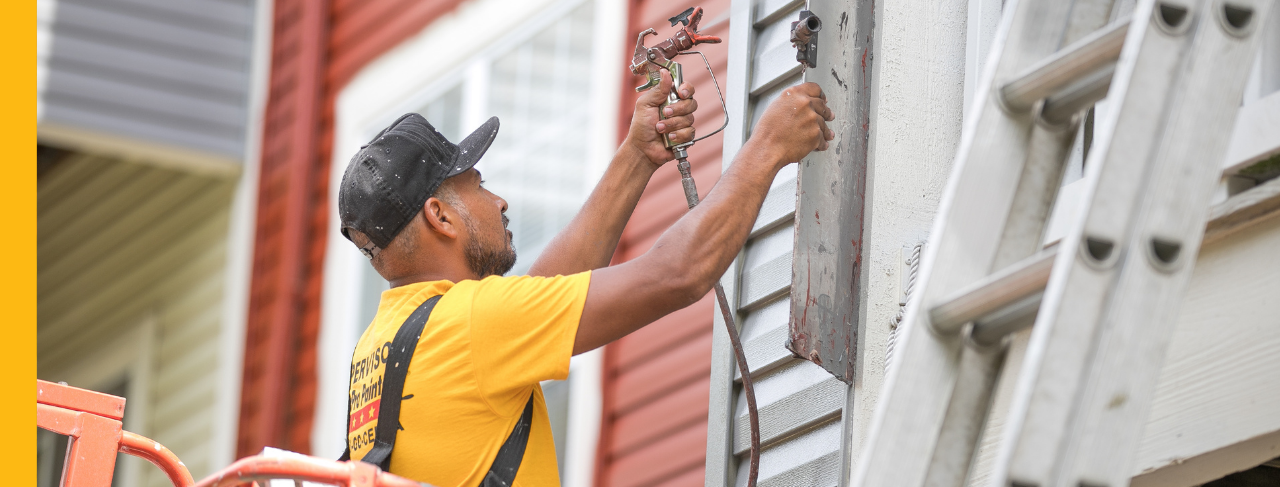
Exterior Painting in Danbury & Ridgefield: Protecting Your Home from New England Weather
Posted on April 22, 2026



In Danbury and Ridgefield, exterior paint has to handle a wide range of seasonal conditions. Cold winters, wet springs, and humid summers all contribute to gradual wear on your home’s exterior surfaces.
Without the right preparation and materials, paint can begin to crack, peel, or fade—especially on exposed materials like wood, siding, and masonry.
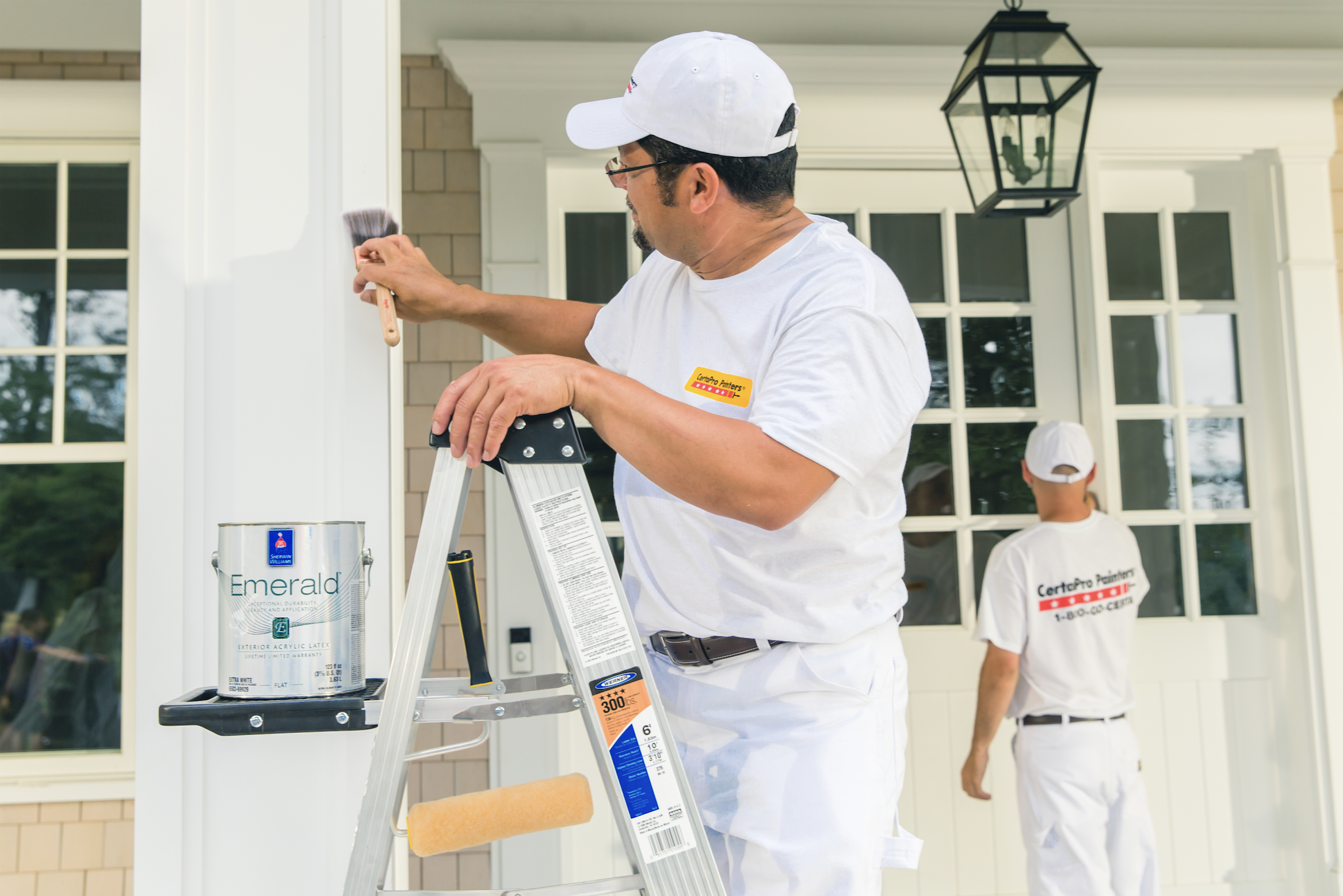
How New England Weather Affects Exterior Paint
Freeze-thaw cycles during winter and early spring cause materials to expand and contract. This movement weakens paint and creates small cracks where moisture can enter. This is especially noticeable on wood siding and trim, which absorb moisture, and on painted brick or stone, where surface cracks can lead to deeper issues over time.
Why Moisture Control Matters
Spring rain and summer humidity keep surfaces damp longer, increasing the risk of paint failure. When moisture gets beneath the surface, it can cause bubbling, peeling, and mildew growth. Areas like stucco finishes and siding joints are particularly vulnerable, as they tend to hold moisture and dry more slowly in shaded conditions.
Prep Work Before Painting
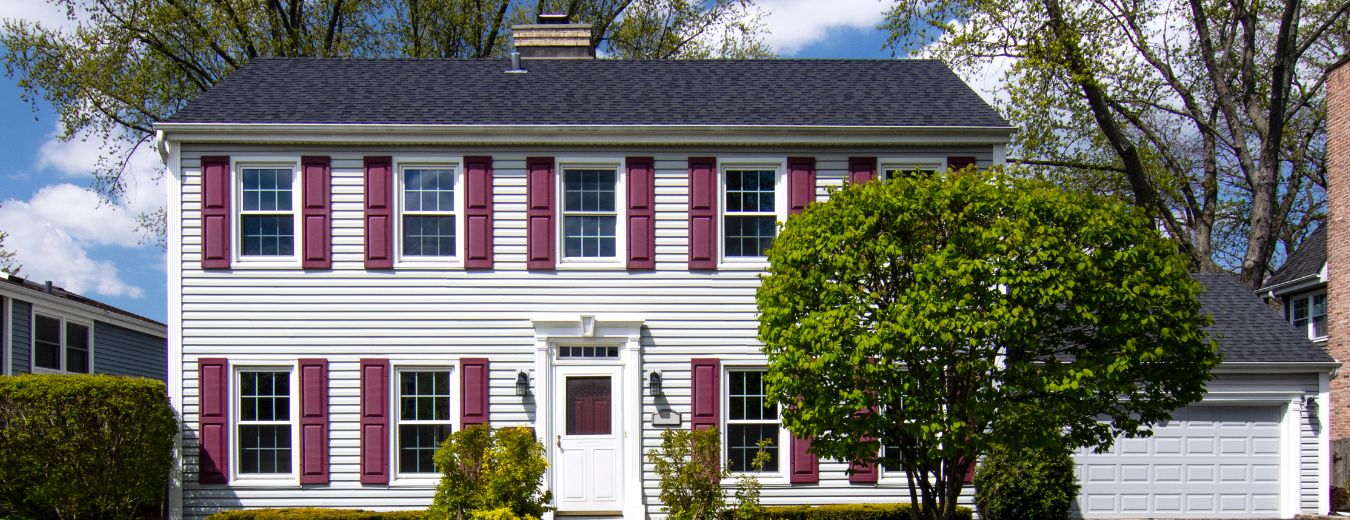
Before applying new paint, any damaged areas need to be addressed. Peeling paint should be removed, and surfaces should be cleaned to ensure proper adhesion.
This is especially important for vinyl and aluminum siding, where buildup can prevent paint from bonding, and for masonry surfaces, which require a clean, dry base. Cracks and gaps should also be sealed to prevent moisture from re-entering.
Choosing Paint for Seasonal Durability
Exterior coatings in Danbury and Ridgefield need to be flexible enough to handle temperature changes while still providing strong moisture resistance.
This is critical for wood surfaces, which expand and contract with weather changes, and for brick and stone exteriors, which require breathable coatings to manage moisture properly. Products from Sherwin-Williams include options designed for climates with strong seasonal variation.
Timing Your Project
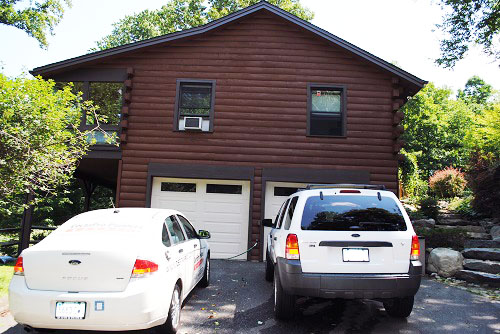
Late spring through early fall typically provides the most stable conditions for exterior painting in Connecticut. Consistent temperatures and lower moisture levels allow coatings to cure properly. This timing is especially important for stucco and masonry surfaces, which need adequate drying conditions to ensure long-term performance.
A Smarter Approach for Danbury & Ridgefield Homes
Exterior painting in this region isn’t just about improving appearance—it’s about protecting your home from ongoing seasonal stress.
Whether your home features wood siding, brick, or stucco, the right preparation and coatings help extend the life of your exterior and maintain its appearance through every New England season. Get started with our exterior painters today!

