

Commercial Case Study
WEG Group Interior Painting
Project Overview
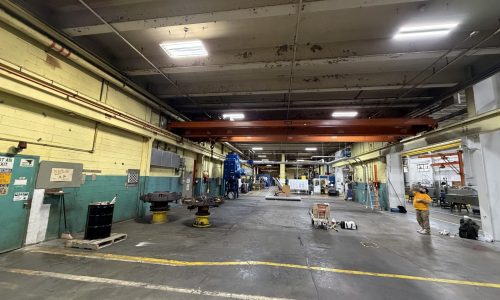
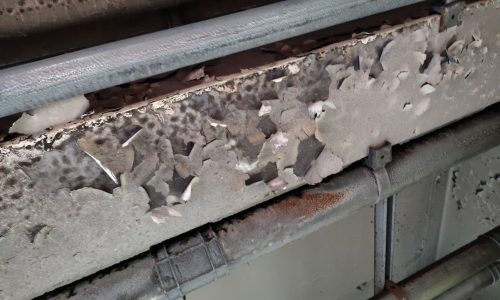
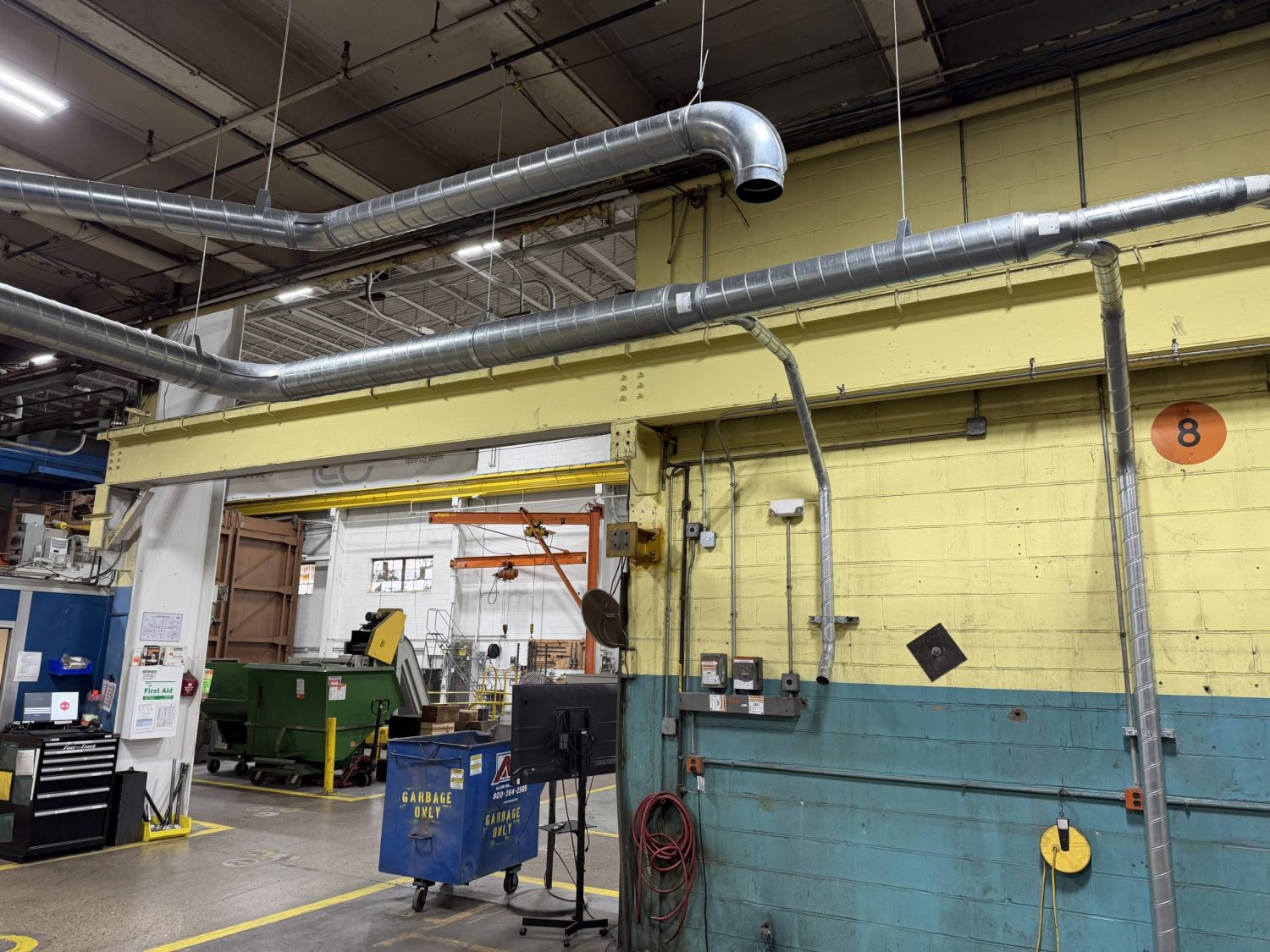
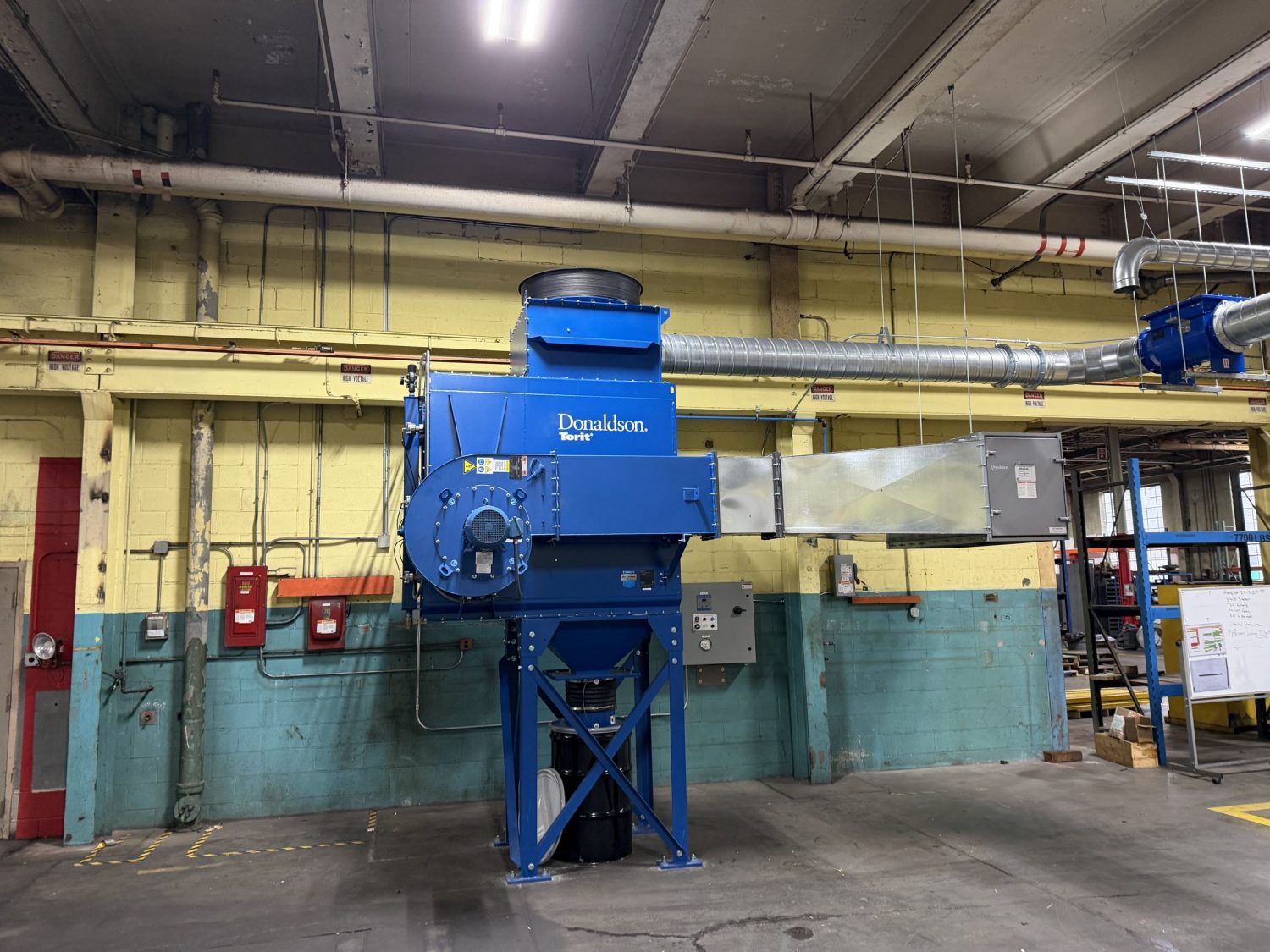
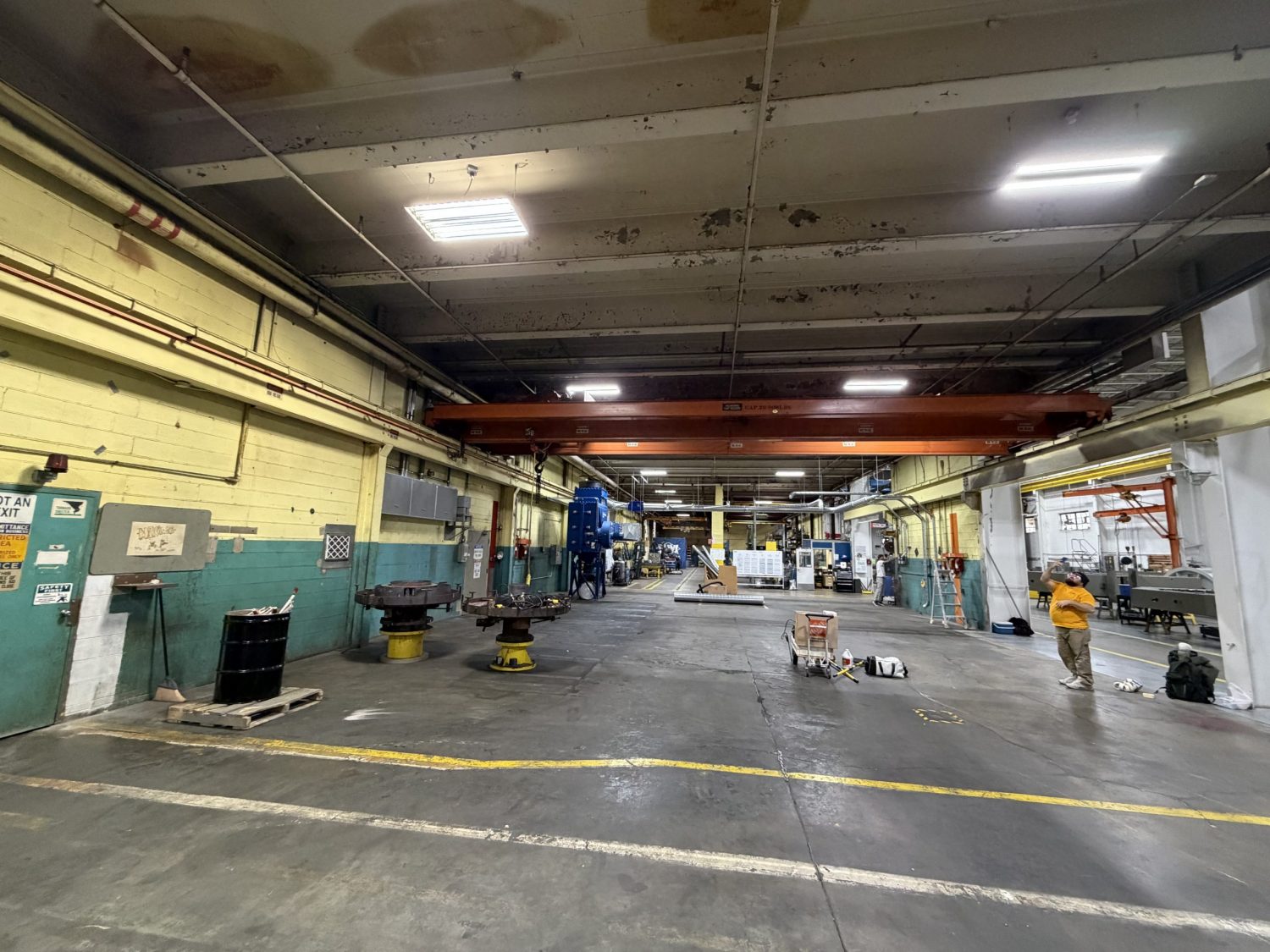
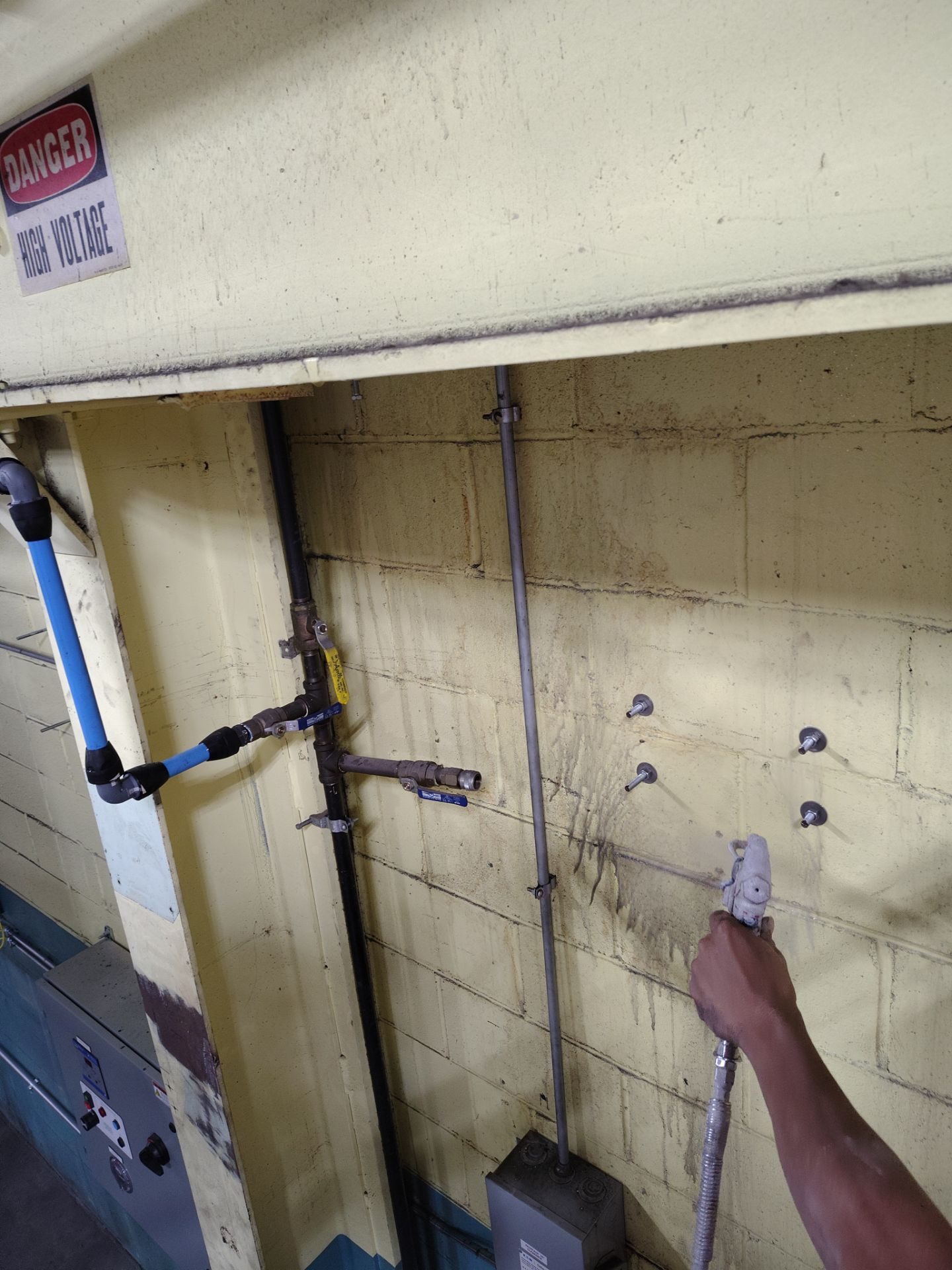
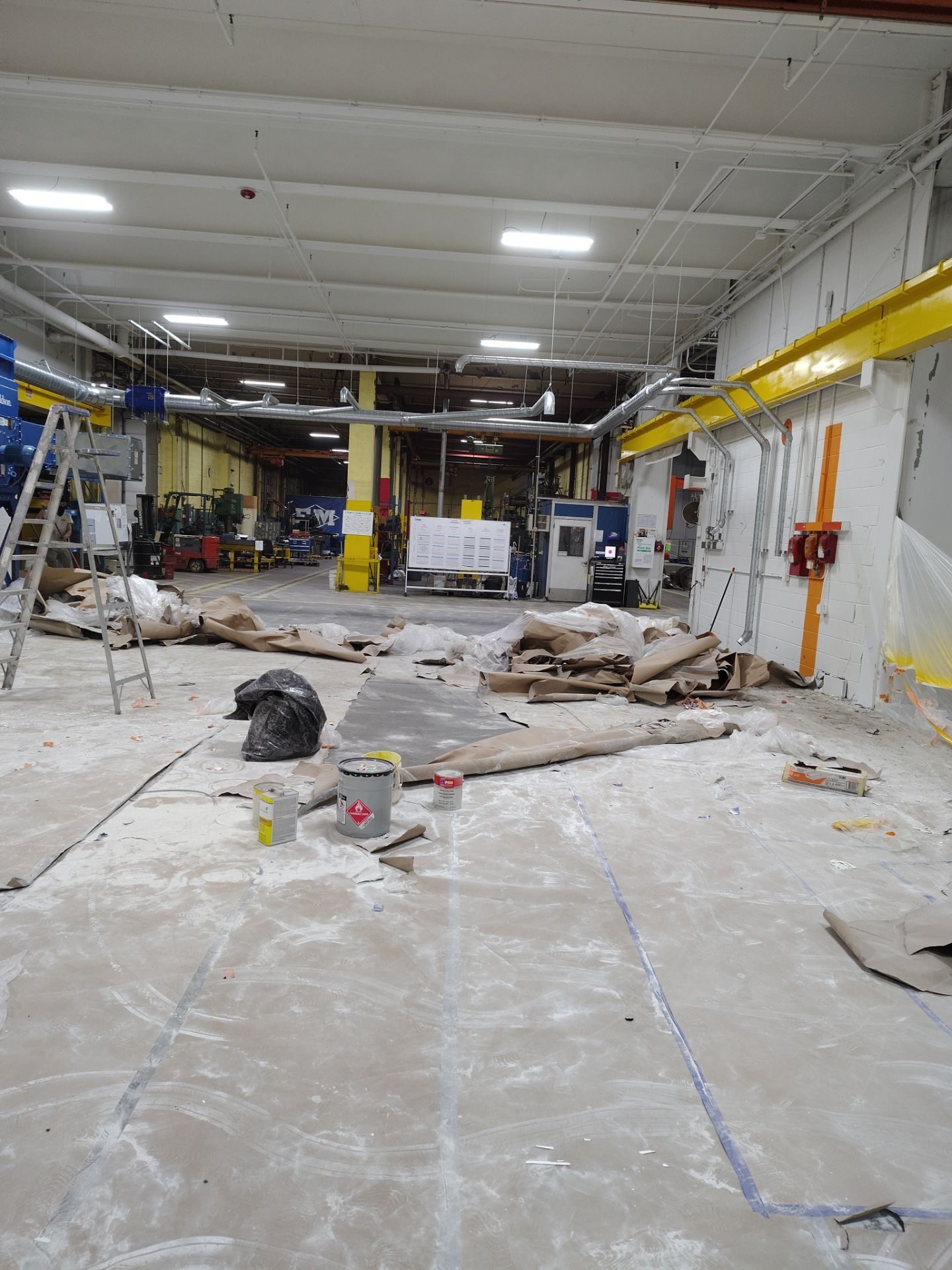
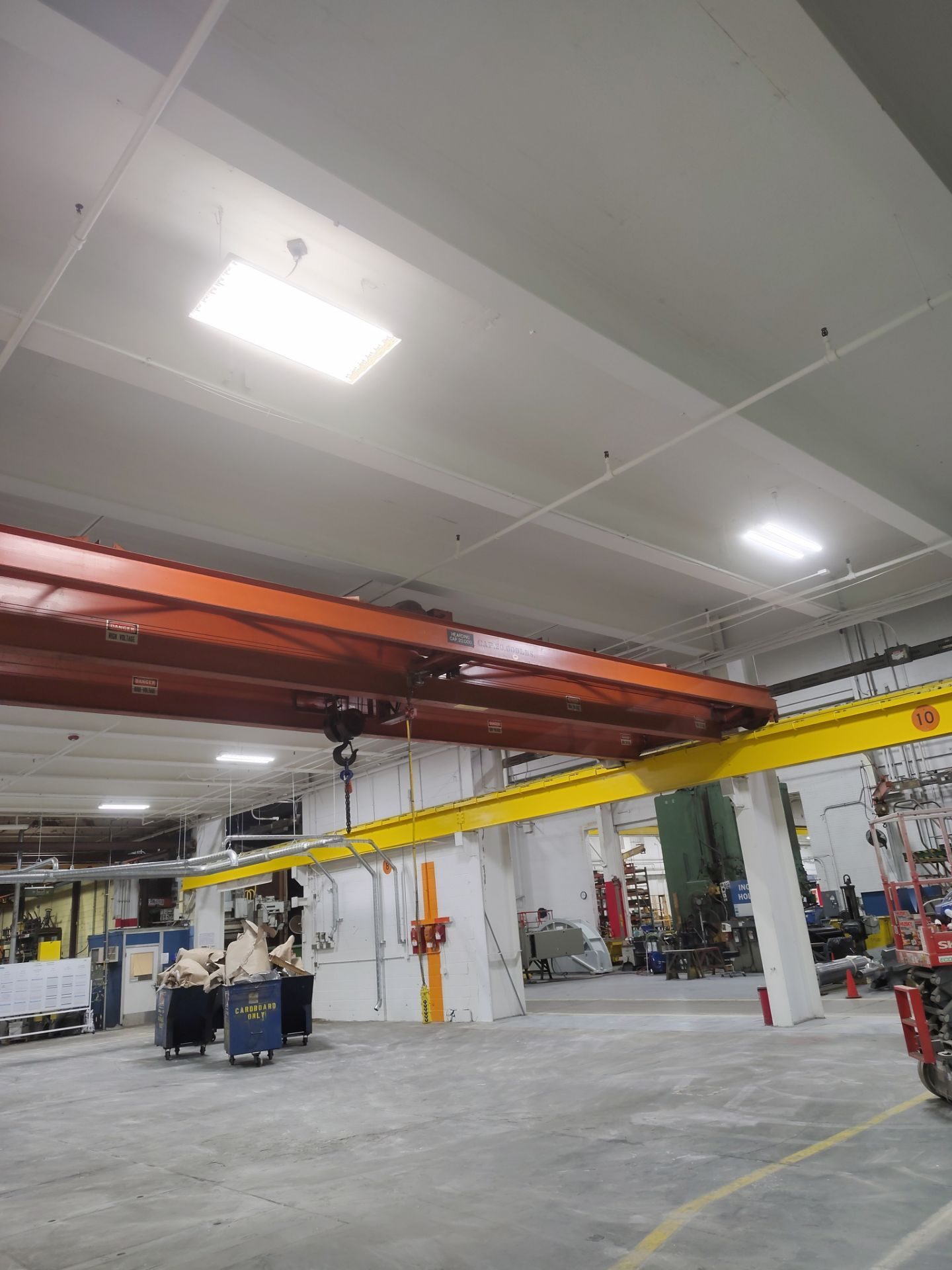
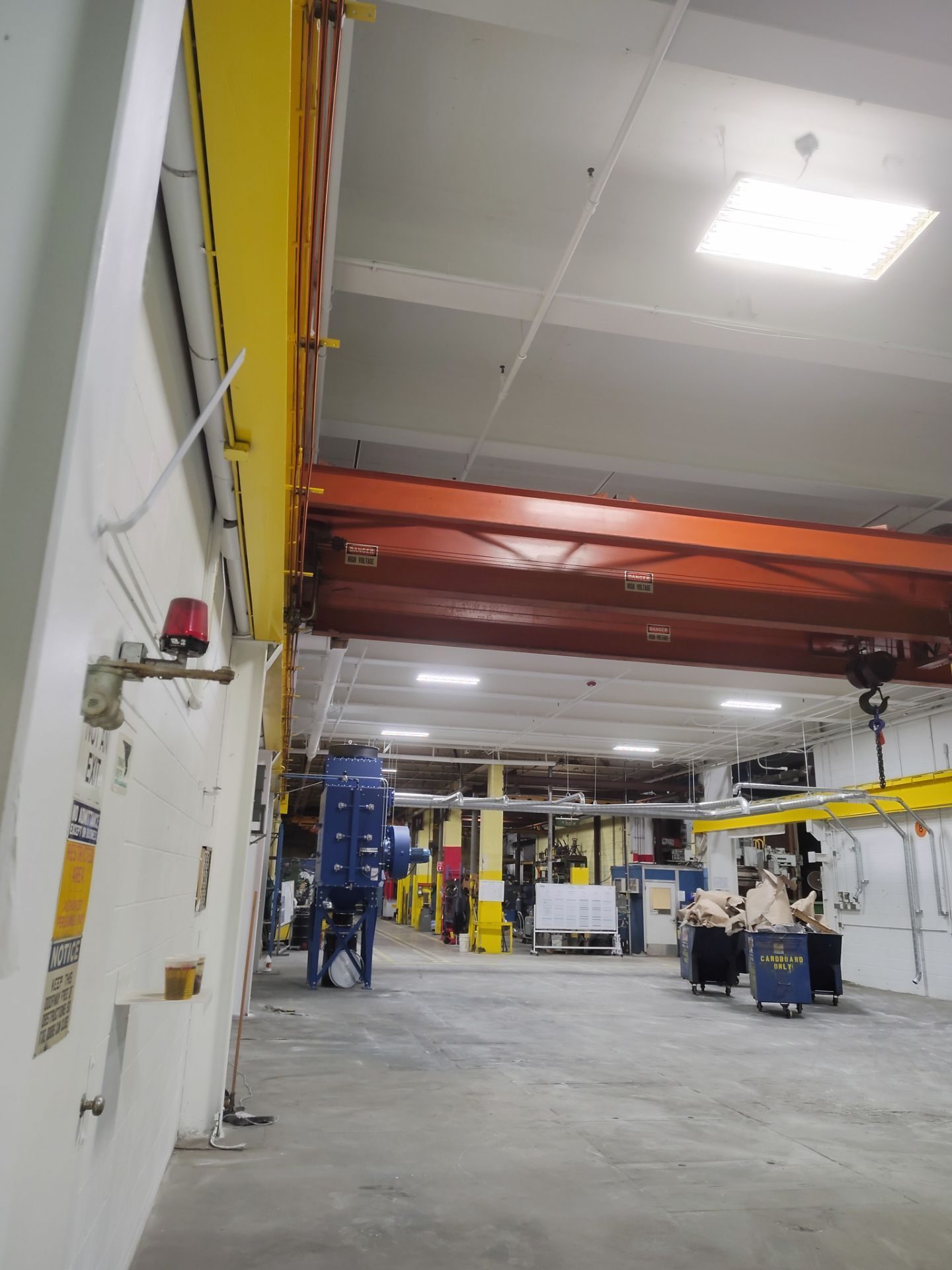
The WEG Group’s electric machinery factory has been operating in Minneapolis since 1891, with some of the building’s sections dating all the way back to when it was first built. Unfortunately, the space hadn’t been painted in decades, making their walls dirty and paint peeling. The original paint in other sections was beginning to fade as well. WEG tasked us with painting the entire interior of the factory, modernizing and cleaning the space for future operation.
Initial Condition
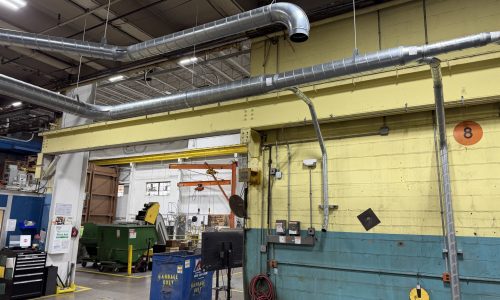
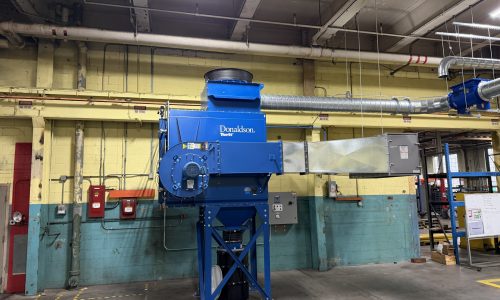
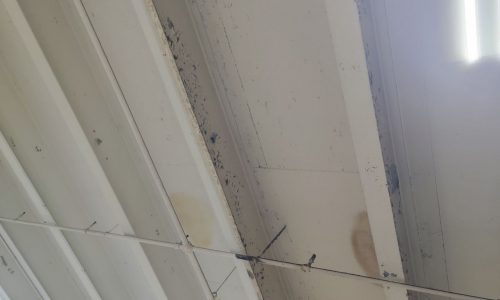
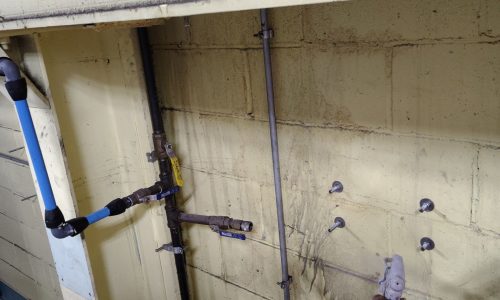
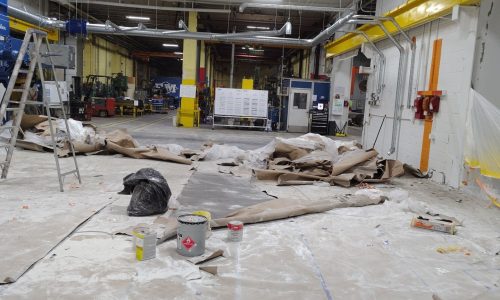
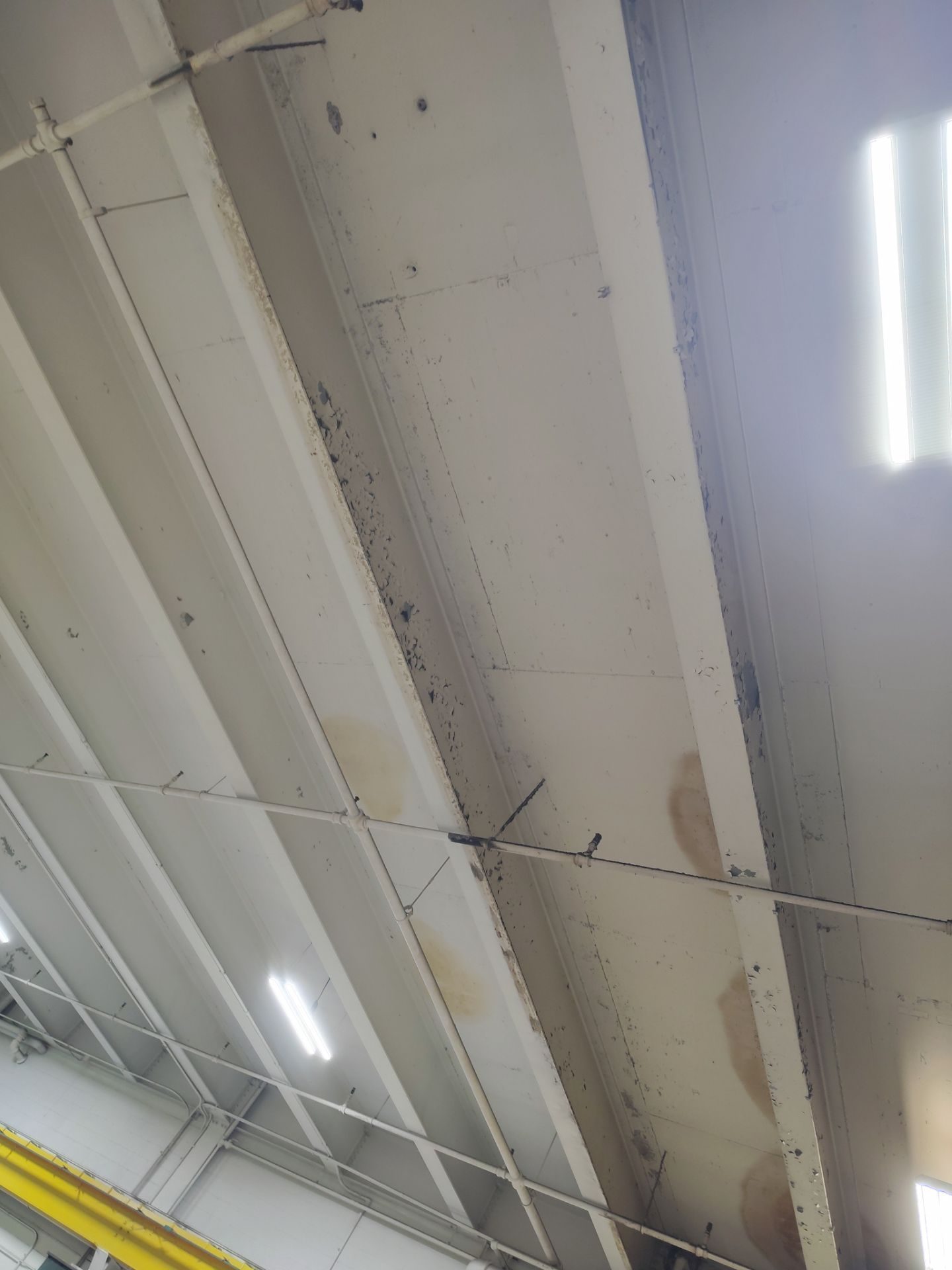
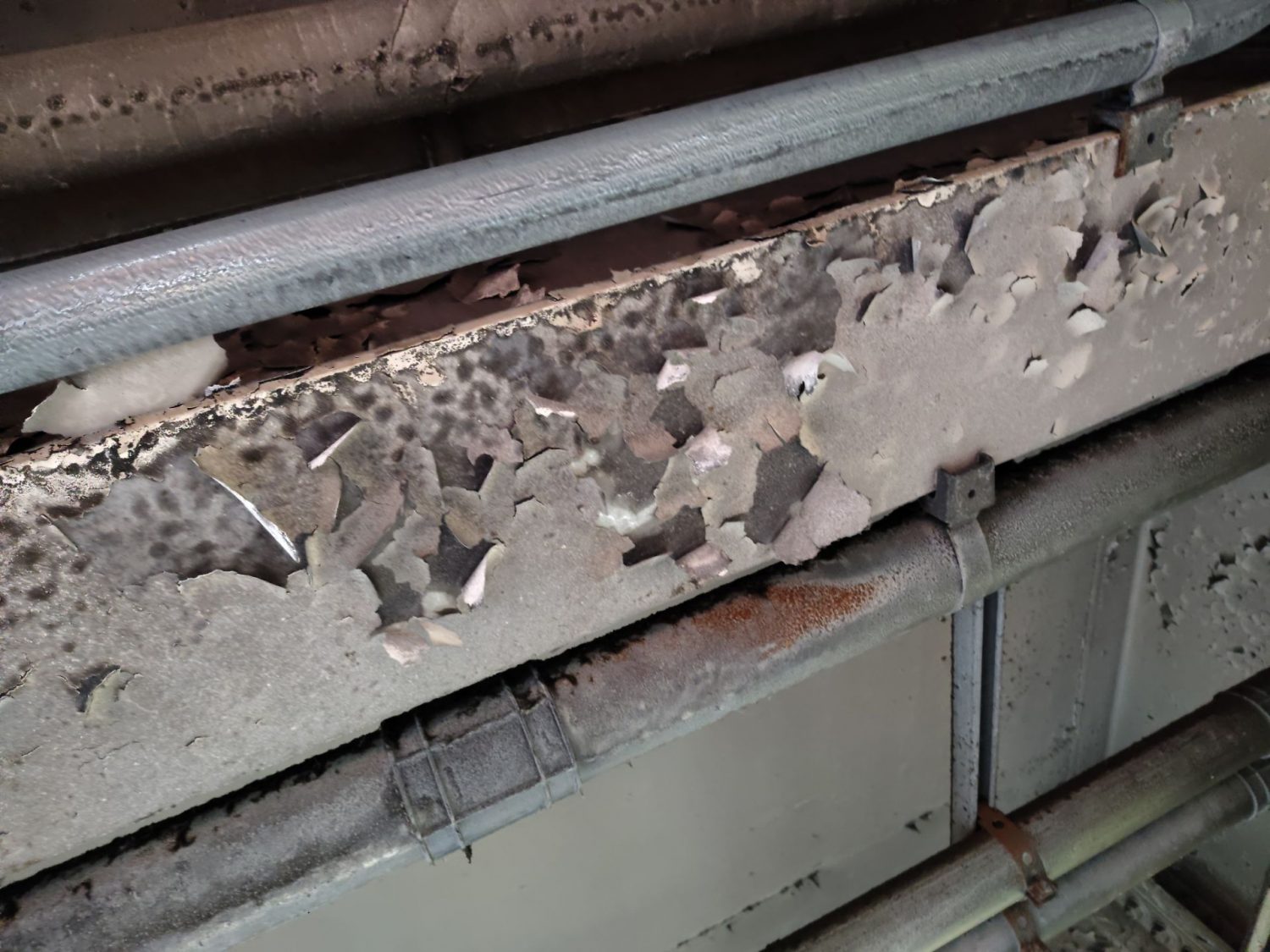
As mentioned above, the space’s current paint had seen better days. Some sections were peeling while others were simply fading away. When it came to the ceiling, there were two major issues. First, the metal parts of the ceiling were rusting in certain areas. We also discovered during our painting process that some parts of the ceiling were made the building’s original wood, which our customer wasn’t even aware of. In other spots, the concrete block and brick were showing extreme signs of wear
Scope of Work
- Prime the original wood, concrete, brick, and metal surfaces for painting
- Determine a new color scheme and which products would be suitable for a factory environment
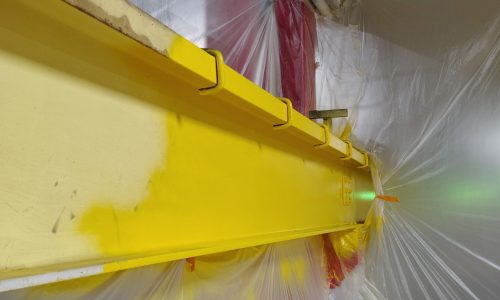
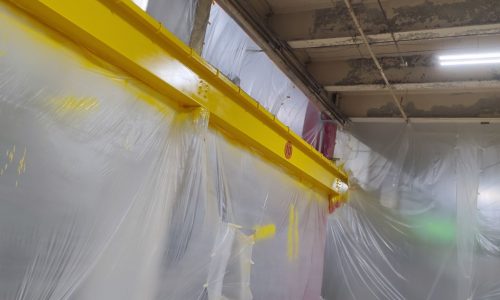
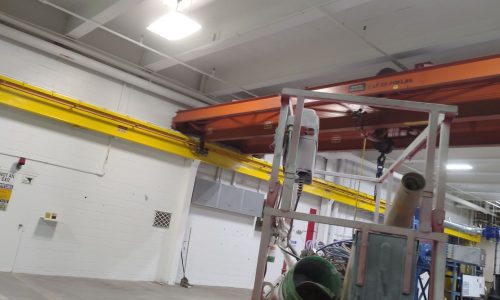
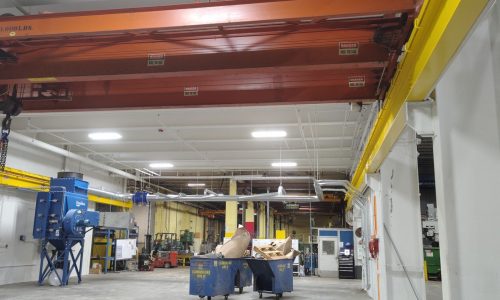
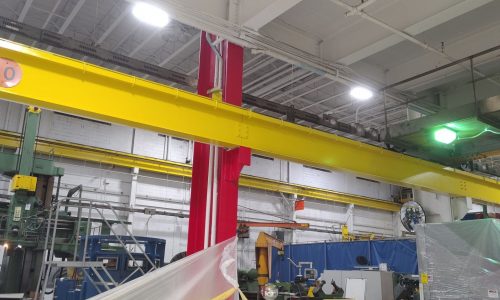
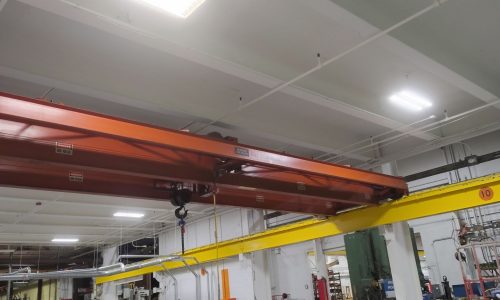
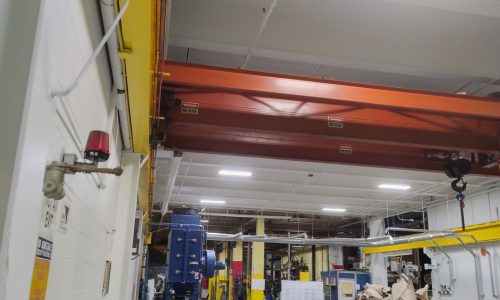
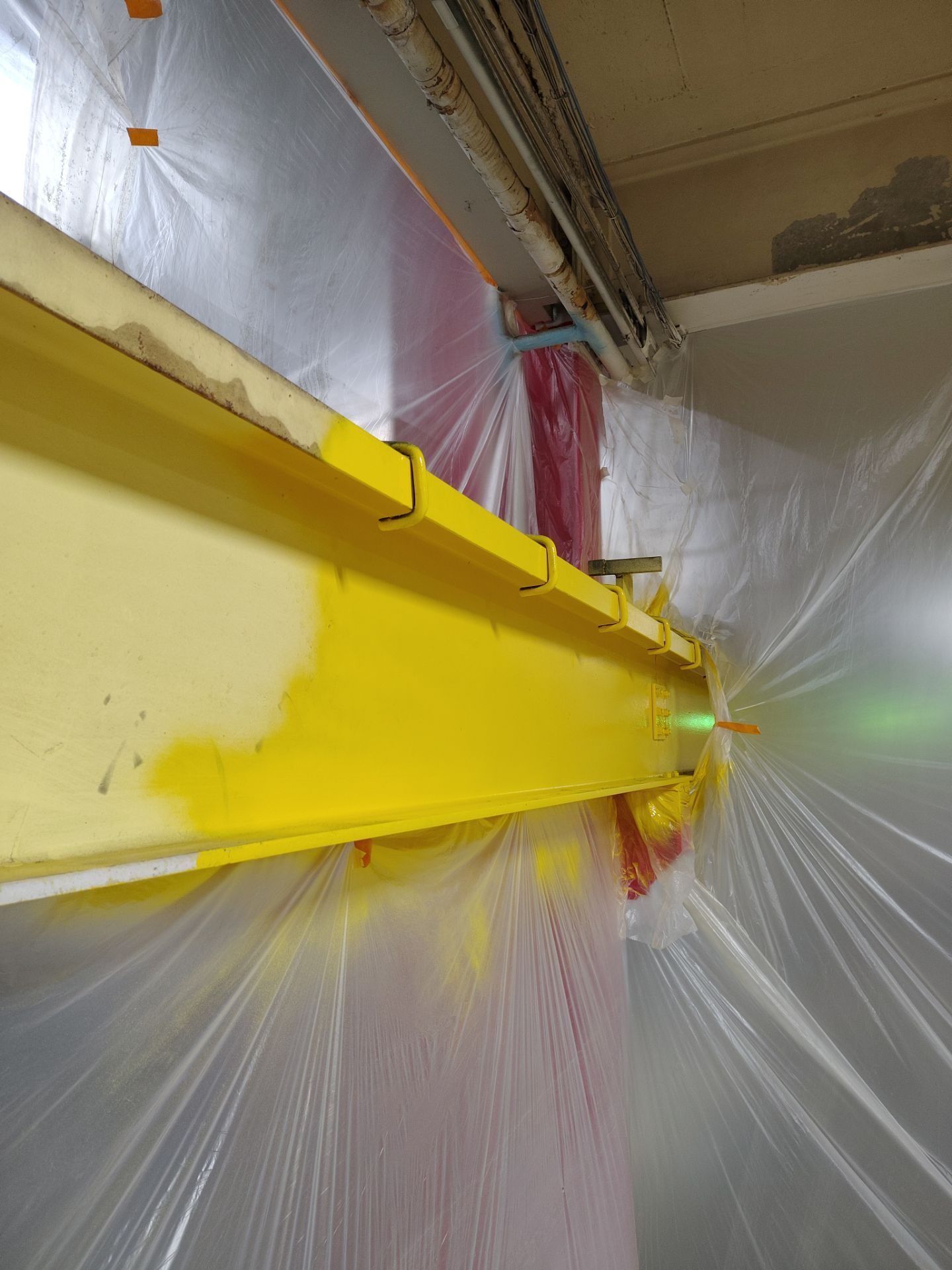
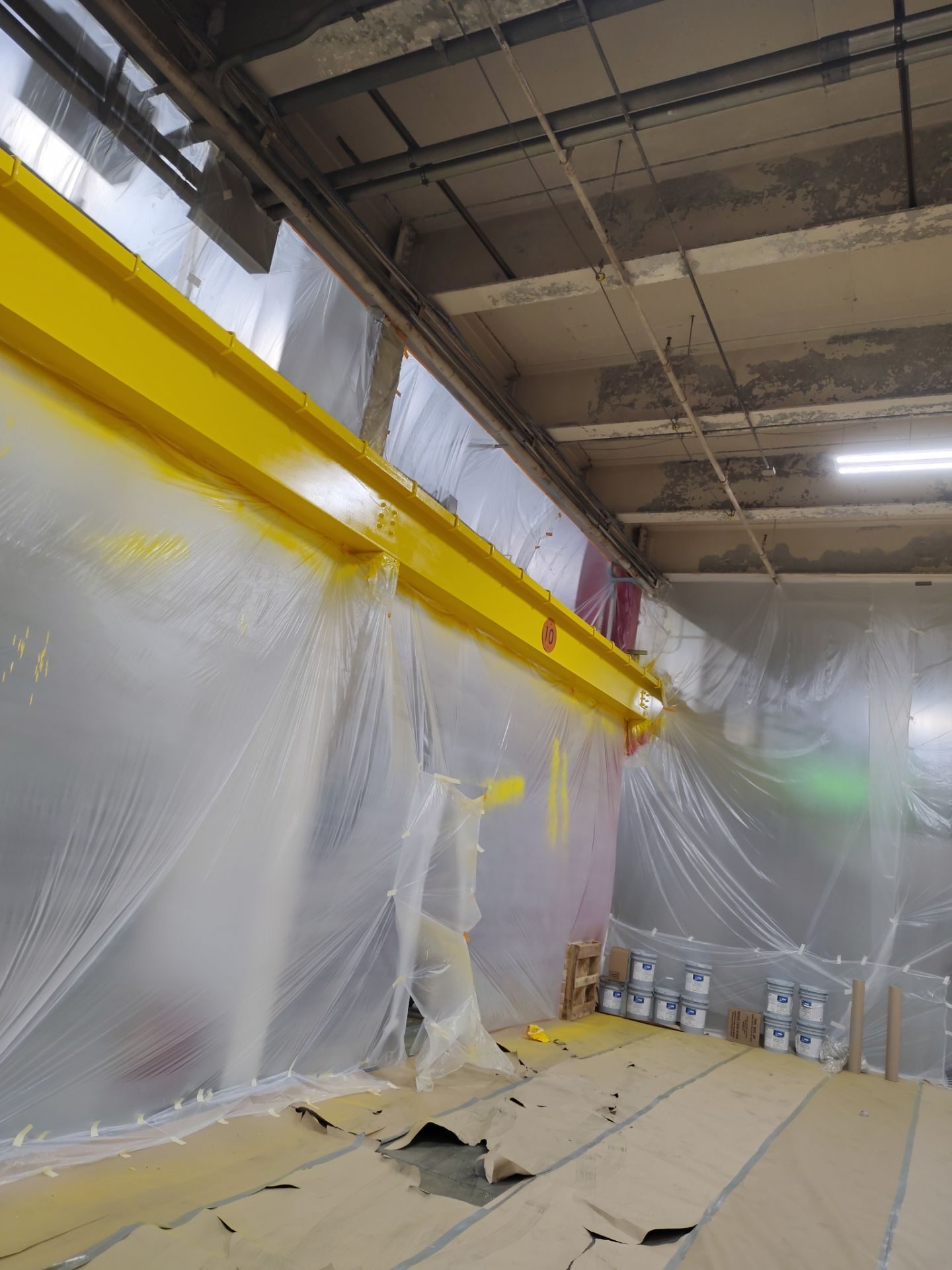
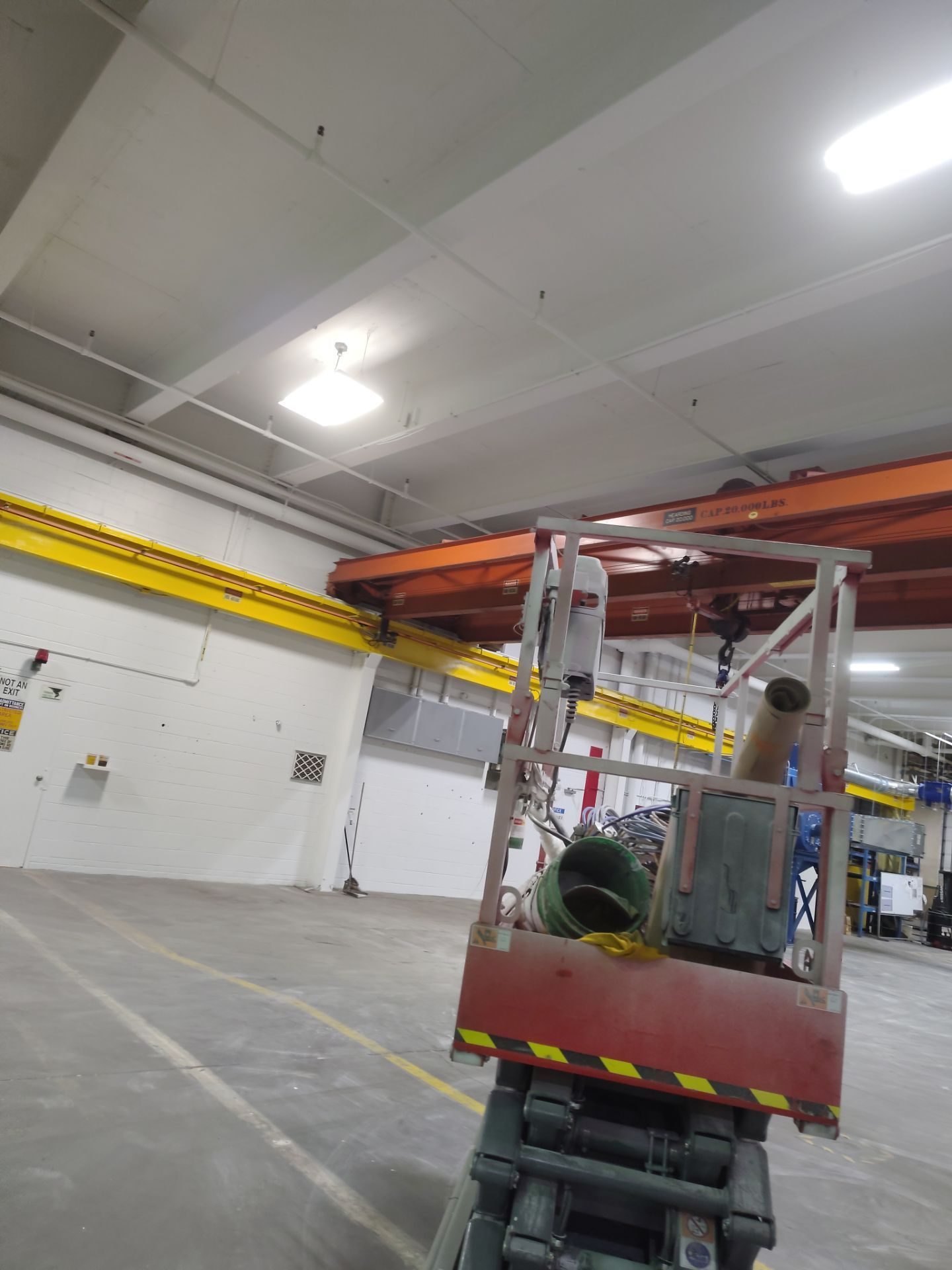
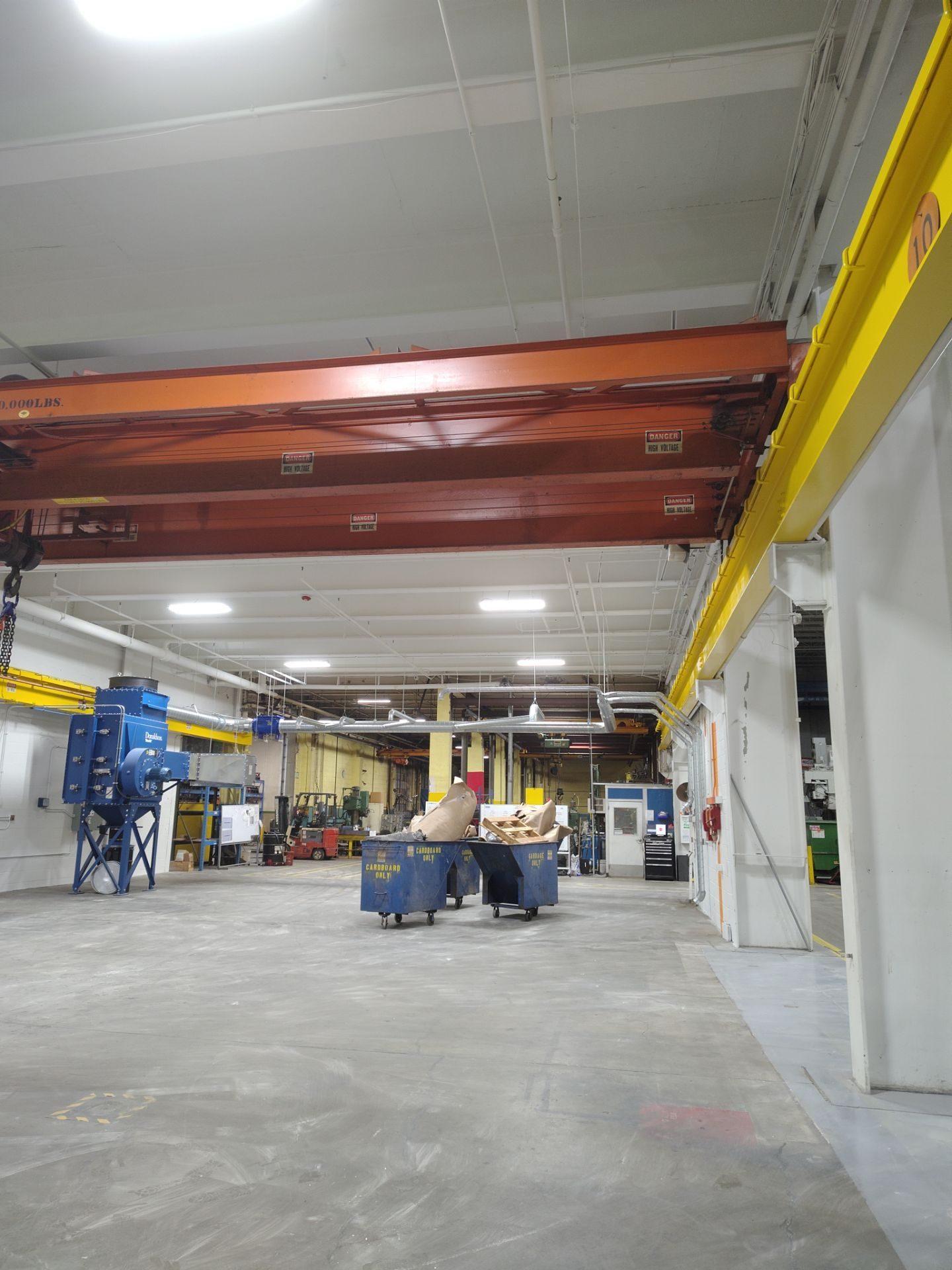
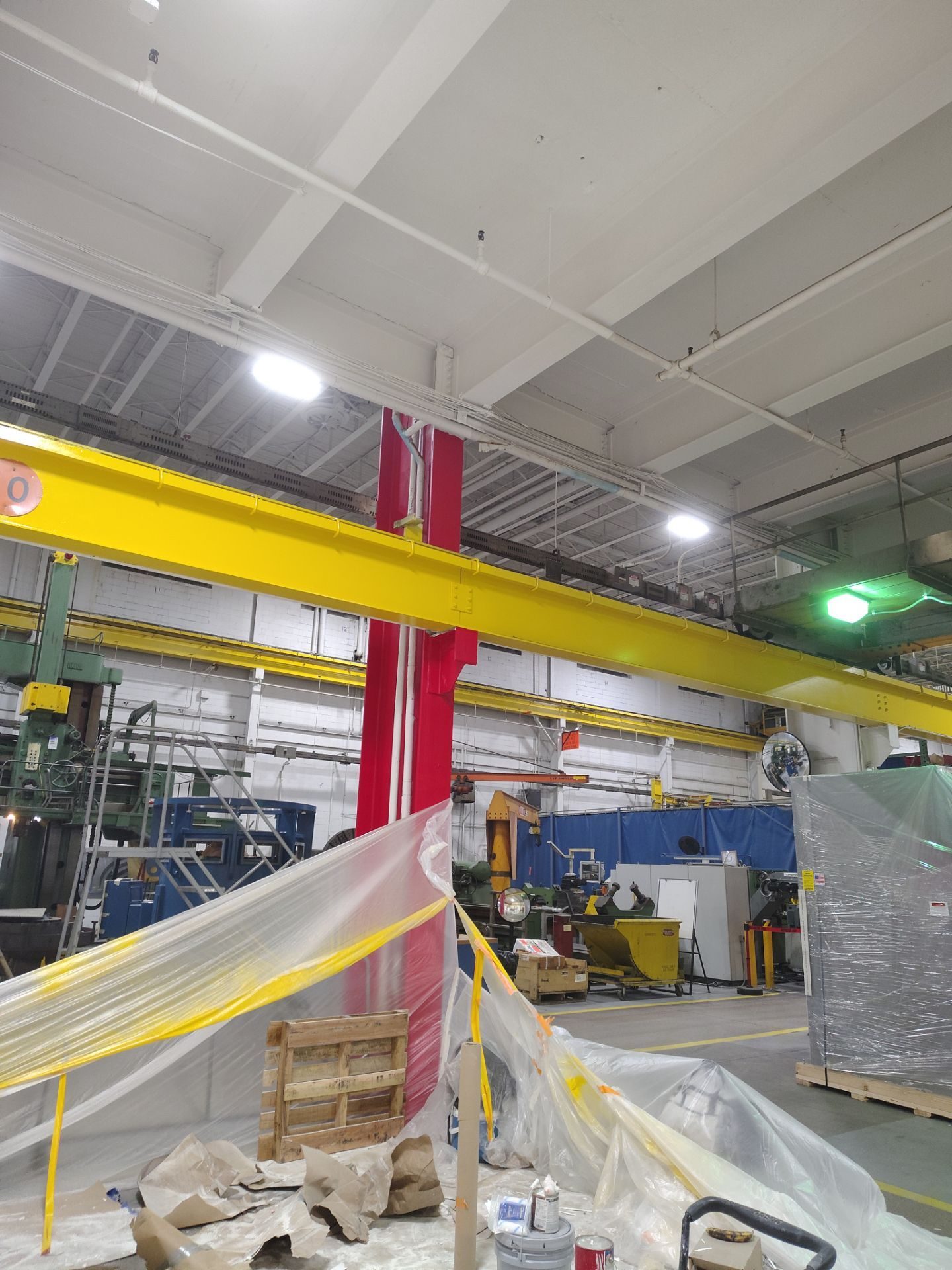
- Apply multiple coats of paint to the walls, ceiling, and crane rails around the factory
Challenges and Solutions
The biggest challenges posed during the project involved the deterioration of painting surfaces. Paint won’t adhere properly to rusted metal, so scraping metal beams and rails was a necessary first step. After scraping, we applied a rust inhibitive primer to the metal so that the paint wouldn’t bleed through. When it came to the concrete block and brick walls, we scraped off old paint, patched up any defects, and cleaned the surfaces. A similar approach was used for the original wood we found in the ceiling, although we had to be much more careful to ensure no further damage. For cleaning, we used a special degreasing agent across the entire factory to remove years of dirt and grime accumulation.
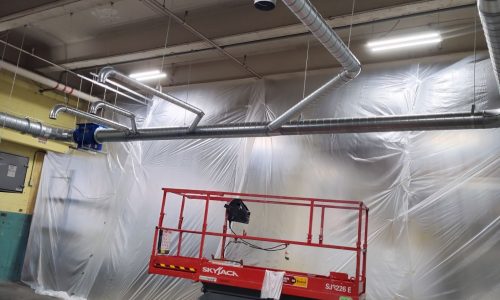
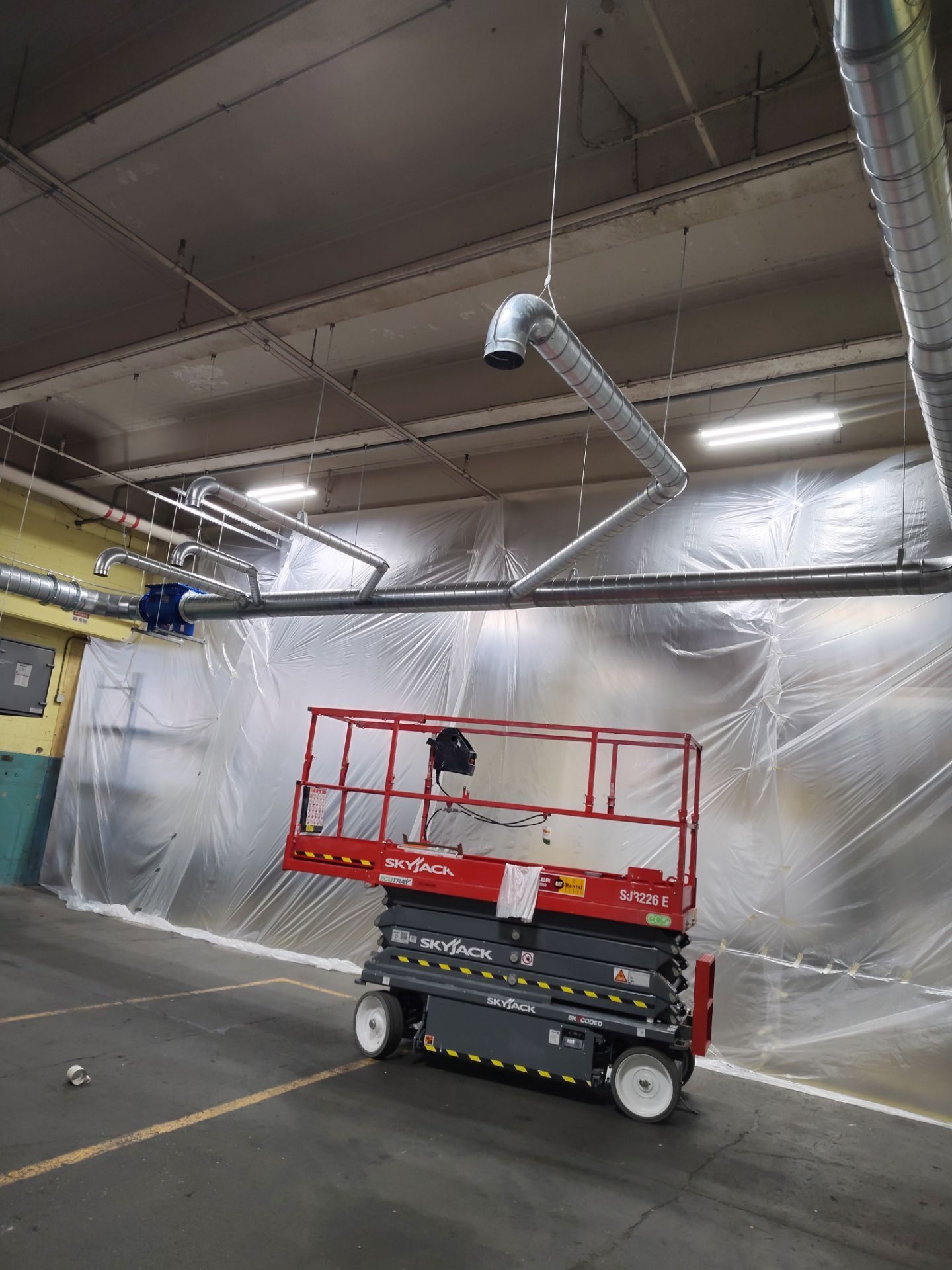
During the project, the factory was operating as normal, so we worked around the factory’s schedule when it came to painting the crane rails. For the harder to reach areas like the ceiling and upper sections of the walls, we brought in a scissor lift.
Conclusion
The entirety of this project took 10 days, finishing up in December of 2025. Between the metal, concrete block, brick, and wood surfaces, we had to use the entirety of our painting expertise to ensure that paint adhered to each surface properly. Special products and paint, like the degreasing agent we used for cleaning, were used to ensure that the final product not only looks great, but can withstand the rigors of a factory setting. Now, the WEG Group’s historic factory will not only look great for years to come, but will be protected from the wear and tear of daily operation.