



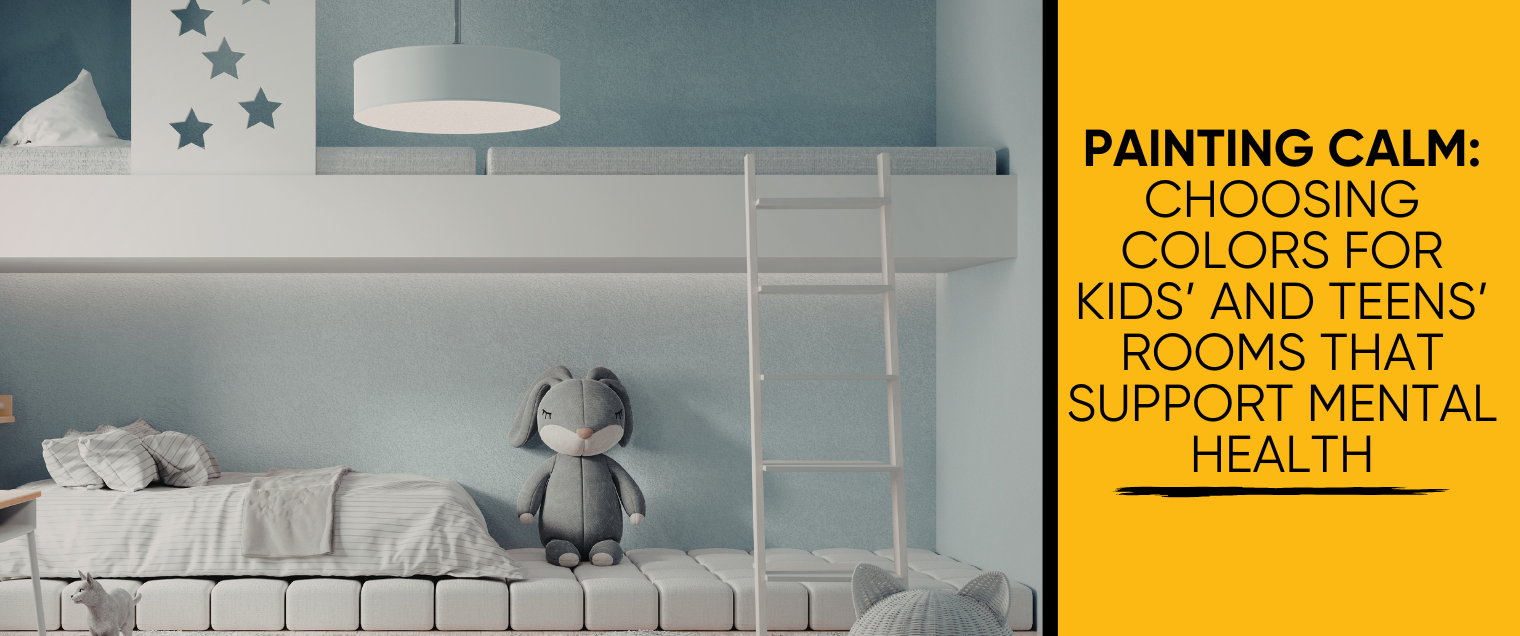
🎨 Painting Calm: Choosing Colors for Kids’ and Teens’ Rooms That Support Mental Health
Posted on March 20, 2026



Parents often spend a lot of time thinking about the activities that help children feel balanced — sports, music, time with friends, or getting outside. But there’s another influence we sometimes overlook: the colors that surround them every day at home.
The color of a child’s bedroom can subtly affect mood, energy, and sleep. Just like a walk through the woods or a sunrise hike can calm the mind, the right colors inside the home can help create a sense of peace and security.
At CertaPro Painters of the Main Line, we think about this a lot. Our mission has always been about Painting Happy — helping families love the homes they live in. And lately, we’ve also been talking more about mental health, both through the spaces we create and through community initiatives like our Miles for Mental Health 5K and Magic Hour Adventures hikes, where we invite people to reconnect with nature.
Let’s explore some of the best colors for kids’ and teens’ rooms if your goal is creating a calm, supportive environment.
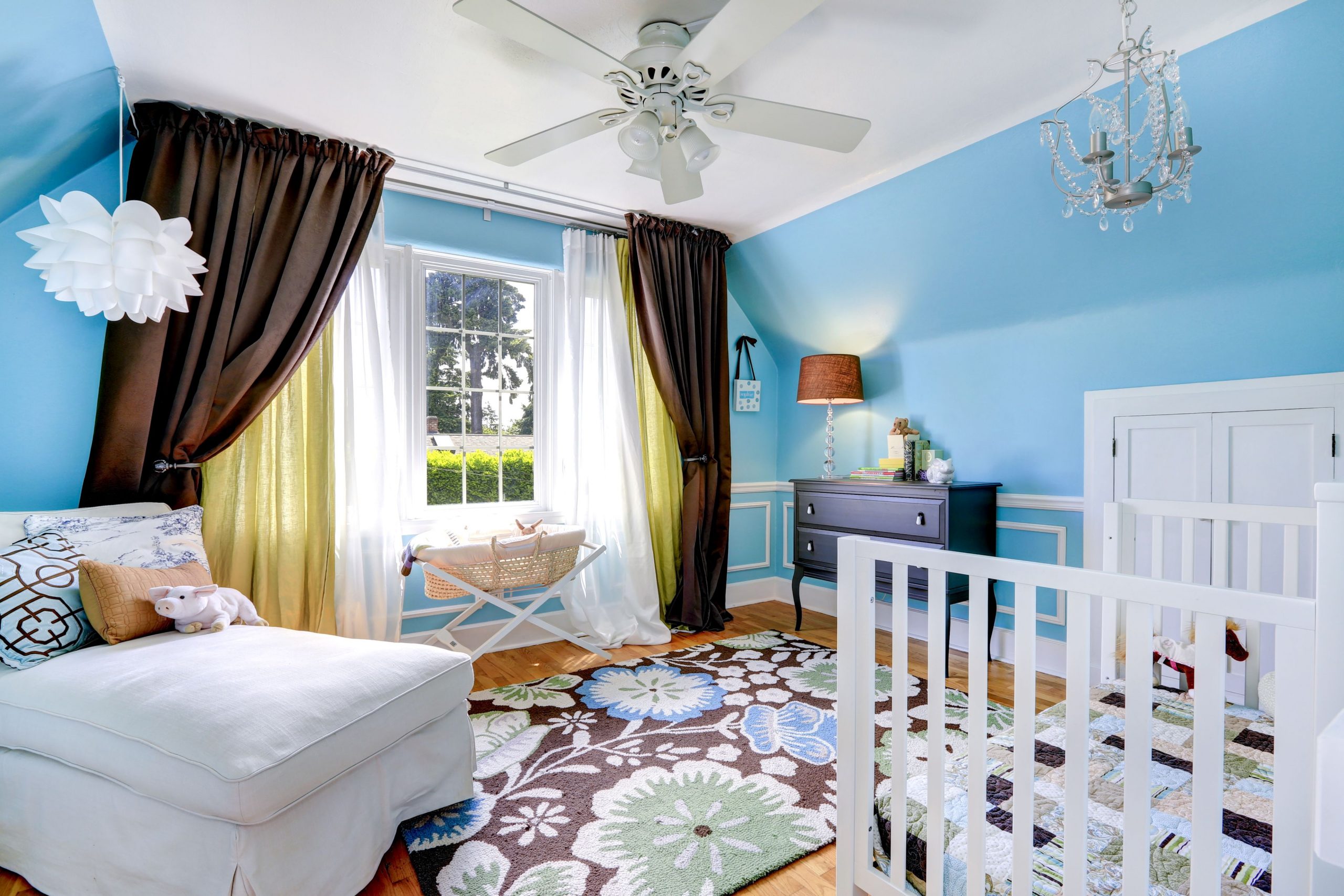 🌿 Soft Blues: Calm Like the Sky
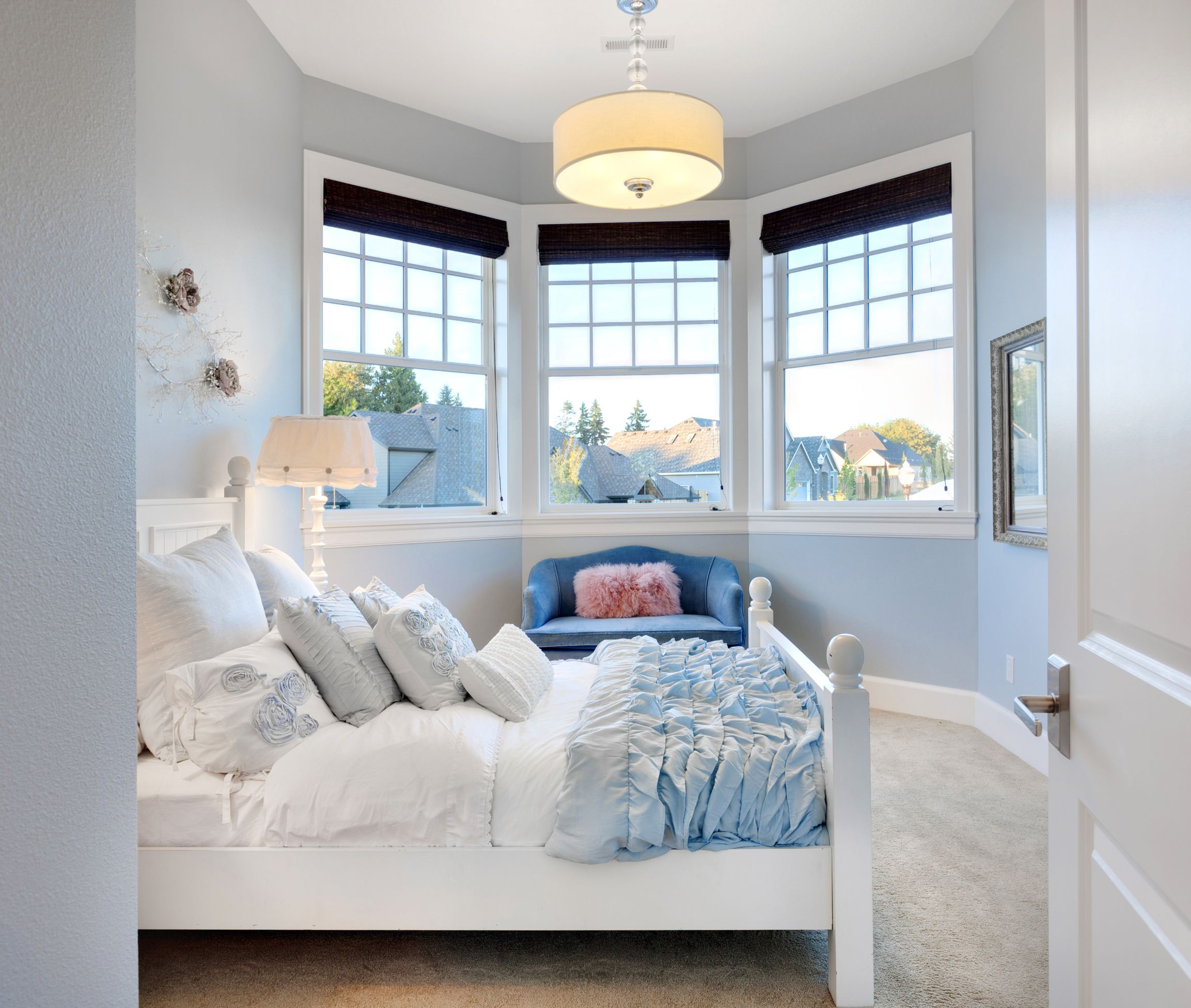
One of the most consistently recommended colors for peaceful environments is blue — especially softer shades.
Blue is associated with:
- open sky
- calm water
- quiet evenings
Research in environmental psychology has shown that softer blues can actually lower heart rate and reduce stress.
For children’s bedrooms, consider shades like:
- soft sky blue
- dusty blue
- blue-gray
- muted denim tones
These colors work especially well for kids who:
- have trouble winding down at night
- feel overwhelmed by busy environments
- benefit from a calming bedtime routine
A pale blue room can feel almost like sleeping under a peaceful sky.
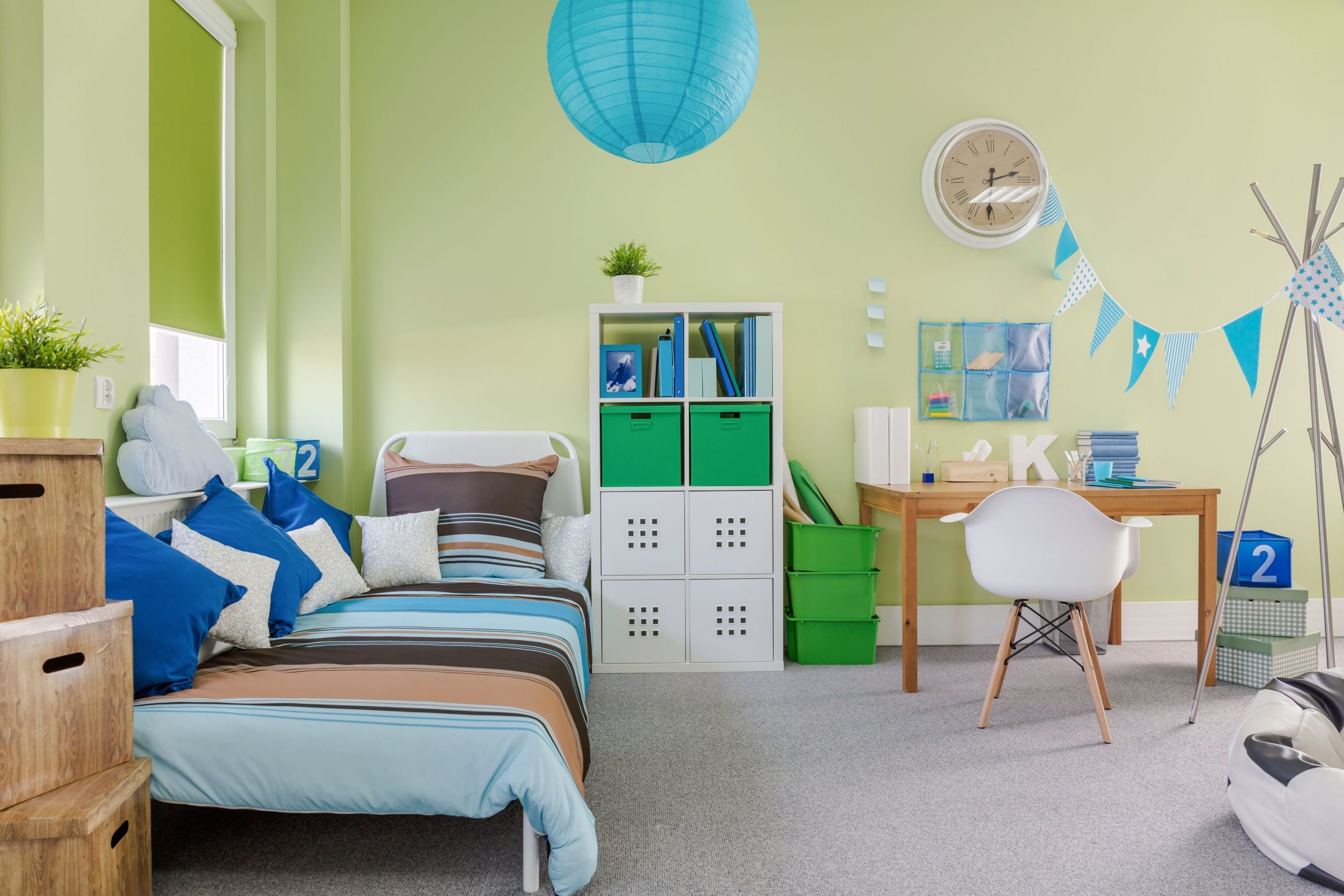 🌱 Gentle Greens: Bringing Nature Indoors
If you’ve ever noticed how calm you feel walking through a park or forest, you’ve experienced the restorative power of green.
Green is strongly connected to nature and has been shown to help reduce mental fatigue and anxiety.
Great green options for kids’ rooms include:
- sage green
- eucalyptus
- soft moss
- muted olive
These colors create a feeling of balance and grounding, which can be especially helpful for kids who are energetic or easily overstimulated.
In many ways, green walls mimic the feeling of being outdoors — something we encourage through our Magic Hour Adventures hikes, where families gather to explore trails around the Main Line.
Sometimes the calm a child finds on a trail can be echoed in the colors of their room.
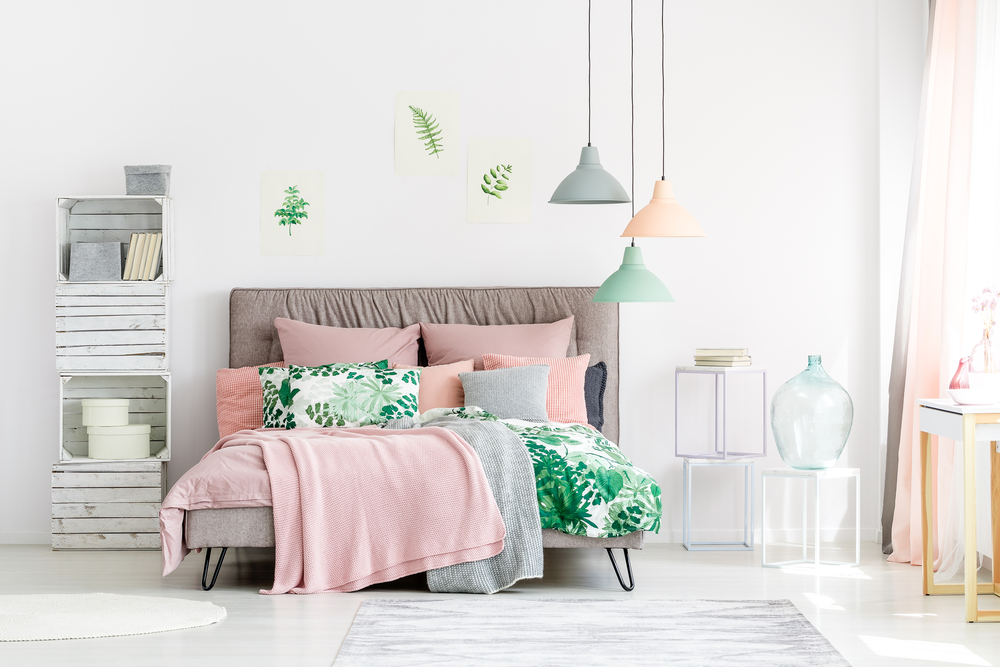 ☁️ Warm Neutrals: Safe and Grounded
While bold colors can be fun, some kids feel most comfortable in simple, grounded spaces.
Warm neutral colors can provide that sense of stability.
Examples include:
- soft cream
- warm sand
- light taupe
- pale clay tones
These colors work beautifully because they:
- reduce visual stimulation
- pair well with natural light
- allow the child’s personality to come through with decor and artwork
They’re especially effective for kids who feel anxious or overwhelmed in rooms with too many bright colors or patterns.
 💜 Gentle Lavender: Calm With a Little Personality
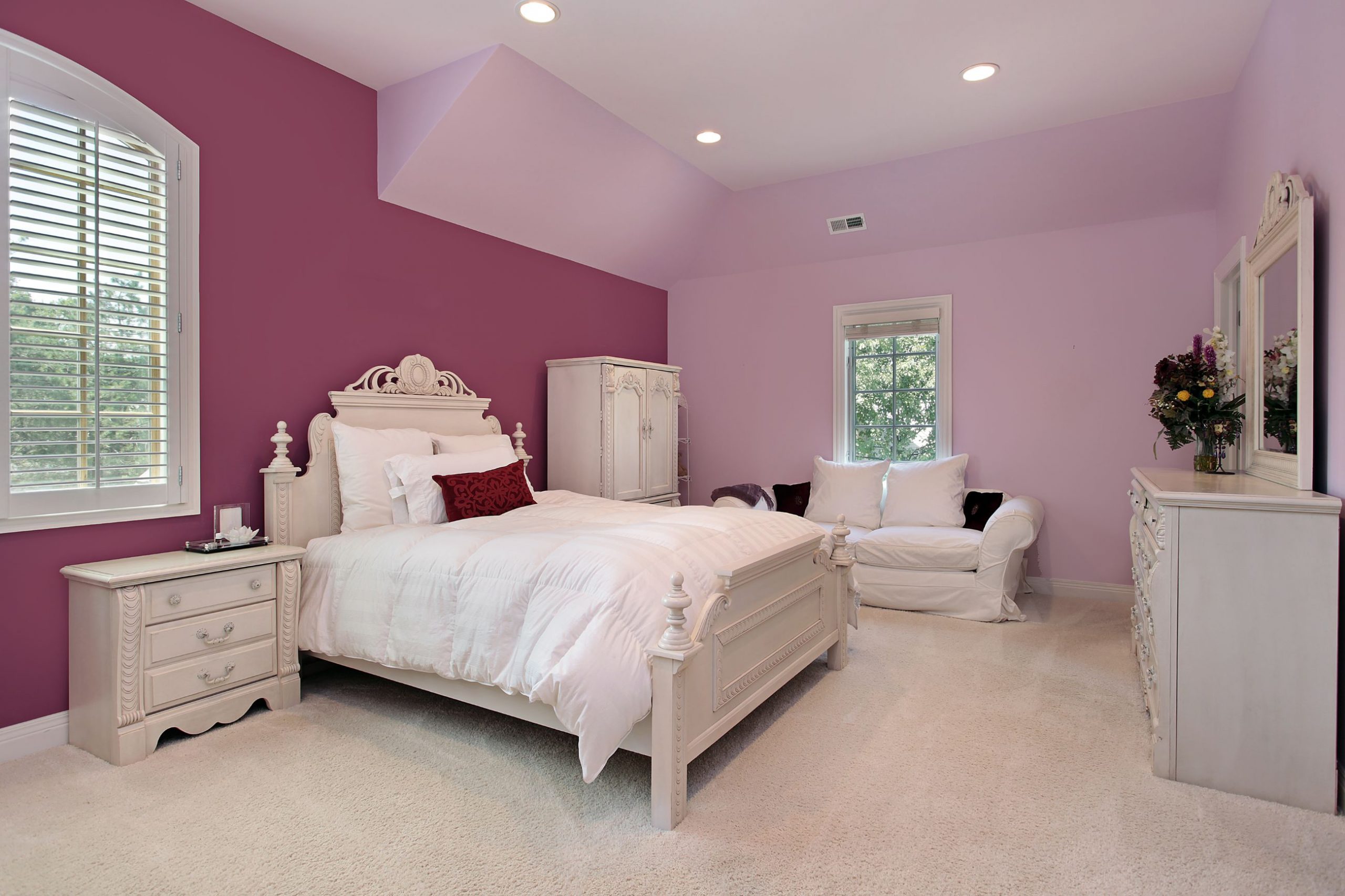
Lavender and soft purple tones are sometimes overlooked, but they can be wonderful for relaxation.
Soft purples combine:
- the calm of blue
- the warmth of red
The result is a color that feels comforting without being boring.
Light lavender or dusty lilac can work beautifully for kids who want something a little more expressive while still maintaining a peaceful environment.
 🎧 Designing Calm Spaces for Teenagers
Teenagers often want something different from younger kids — a room that reflects their identity while still feeling like a retreat from the pressures of school, social media, and busy schedules.
Calming colors for teens often include deeper, more mature tones, such as:
- muted navy
- forest green
- charcoal blue
- warm greige
These colors create a more sophisticated atmosphere that teens often appreciate, while still maintaining the calming qualities of softer palettes.
A teenager’s room should ideally feel like:
- a safe space to decompress
- a place to study and focus
- a retreat from the noise of the world
Thoughtful color choices can help support that.
⚠️ Colors to Use Carefully
While every child is different, there are certain colors that can sometimes increase stimulation if used too heavily.
For example:
Bright red
raises energy and heart rate
Neon colors
can feel visually overwhelming
Highly saturated yellows
sometimes associated with irritability
These colors aren’t “bad,” but they tend to work better as accents rather than full wall colors.
🌅 Calm Rooms, Healthy Minds
At the end of the day, no color alone can solve anxiety or stress.
But thoughtful design choices can help create spaces where kids feel supported, relaxed, and safe.
We see this idea play out both inside and outside the home.
Inside, it might be a calming bedroom color palette.
Outside, it might be a walk through Wissahickon Valley Park, a sunrise at The Willows, or joining one of our Magic Hour Adventures hikes.
And every year we bring the community together for our Miles for Mental Health 5K, because movement, nature, and connection all play an important role in supporting emotional well-being.
Sometimes peace starts with a quiet room.
Sometimes it starts with a walk outside.
Often, it’s a little of both.
If you’re thinking about refreshing your child’s room this spring, we’d love to help you choose colors that make your home feel calm, welcoming, and full of possibility.
And if you’d like to join us outside too, you’re always welcome on our hikes or at the starting line of our next Miles for Mental Health 5K.
Because a happy home — and a healthy mind — go hand in hand.

