



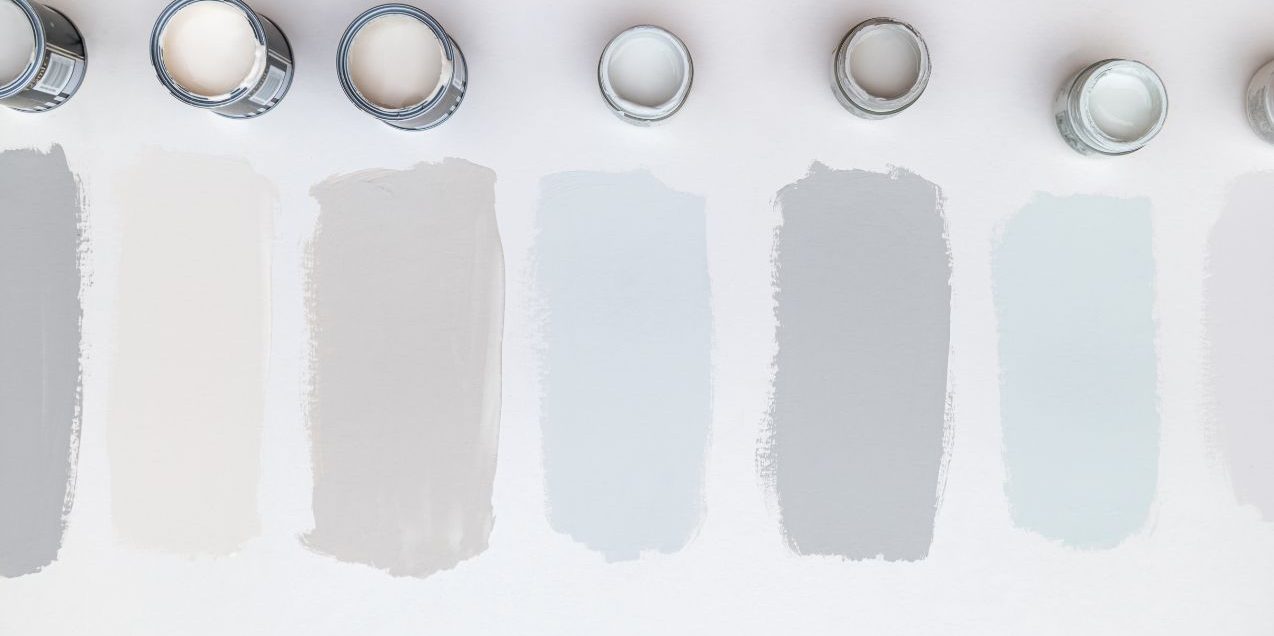
You’re Probably Picking the Wrong Color — Here’s How to Get It Right
Posted on July 21, 2025



Have you ever picked out a paint color you loved at the store, only to put it on your wall and feel like it’s a completely different color? You’re not alone! That’s because color and light are inseparable.
Color Is Light
At its core, color is what happens when light hits a surface and reflects back to our eyes. No light means no color, think pitch black. All light means pure white. Everything in between depends on how light bends, reflects, and changes across different surfaces. Just like the rainbow, light splits and reveals an entire spectrum of colors.
Natural Light vs. Artificial Light
The type of light in a space plays a huge role in how a color looks.
Natural light shifts throughout the day. Morning light is soft and warm, while afternoon light can be bright and harsh; evening light fades and deepens tones.
Artificial light adds another layer. LEDs, for example, often have undertones that can skew how paint looks. Warm LEDs add yellow undertones that can soften a color; cooler, blue-toned bulbs can make walls feel sterile or dull. That’s why we always say: Stay away from blue light bulbs!
Daytime Light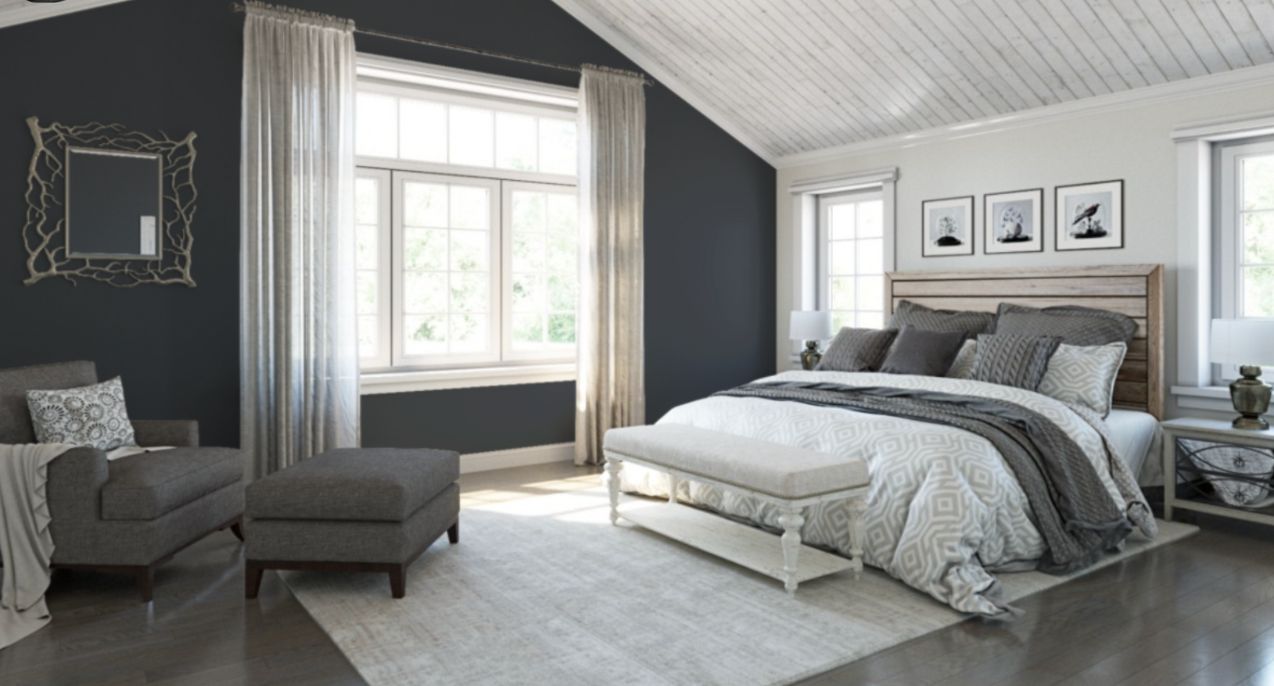 You can see how natural daylight floods this room. The deep charcoal accent wall appears soft and rich, and the warm white walls look fresh and airy. Sunlight reflects off the floors and light bedding, creating a balanced, comfortable feel.
Evening Light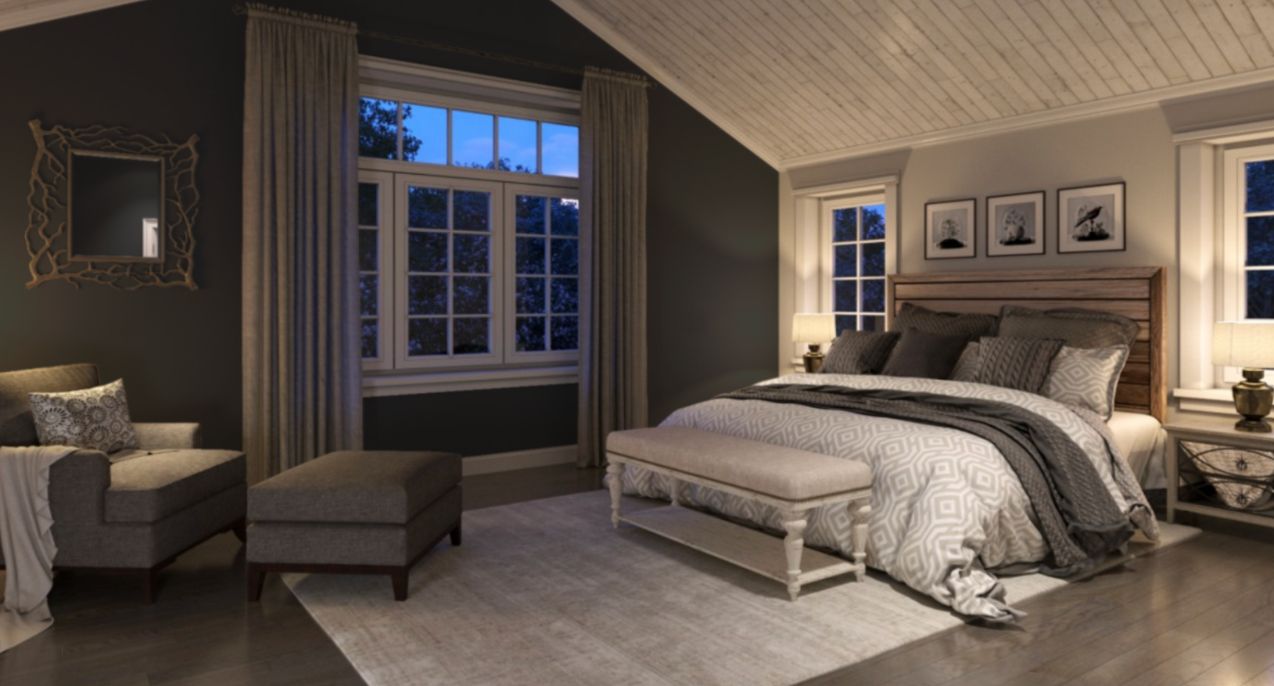 Now look at the same room in the evening. With the indoor lamps turned on, the same charcoal accent wall looks even deeper and moodier, while the white walls feel warmer and more golden. The warm-toned bulbs add a cozy, inviting glow, but they also shift the colors slightly compared to how they looked in daylight.
Same Color, Different Walls
One paint color can look completely different on each wall in the same room. The color facing a window might appear brighter, while the wall opposite it may look shadowy and darker. That’s why it’s so important to test paint in your actual space.
Sample Smart
Here’s how to get it right:
- Use peel-and-stick paint samples. Stick them on different walls and move them around at various times of day.
- Be cautious when sticking samples directly on existing painted walls, as the old color underneath can affect how you perceive the new one. Try the sample on a white door or window frame instead.
- Step back! Stand mid-distance to see the real effect.
Inside vs. Outside: It Matters
Exterior colors are a whole different game. Natural sunlight is stronger than indoor light and can wash out colors.
Here’s what we suggest:
- Use peel-and-stick samples outdoors too.
- Always pick at least one sample a shade darker than you think you need. Trust us, it’ll balance out once it’s outside.
- Look across the street and down the block to make sure your chosen color complements your vision.
Take the Caral House project as an example: if you want bold color outside, go all in! Big, saturated colors look beautiful and intentional outdoors when done right.
When we helped the Butts family refresh their exterior, they wanted a bold, warm look that stood out. The result? A stunning coral exterior that looks fresh and inviting in all kinds of natural light.
Before: The original gray siding was classic but didn’t have the personality the homeowners wanted.
After: The new coral shade catches the sunlight beautifully, brightening the home’s curb appeal and adding warmth that feels welcoming year-round.
This project is a perfect reminder that:
- The same house can look completely different depending on your color choice.
- Natural light (and how your house is positioned) affects how bold colors really shine.
- If you want color, don’t be afraid to go for it!
Favorite Shades to Try
Neutrals: Snowbound is a popular white because it’s not too bright and doesn’t strain the eyes.

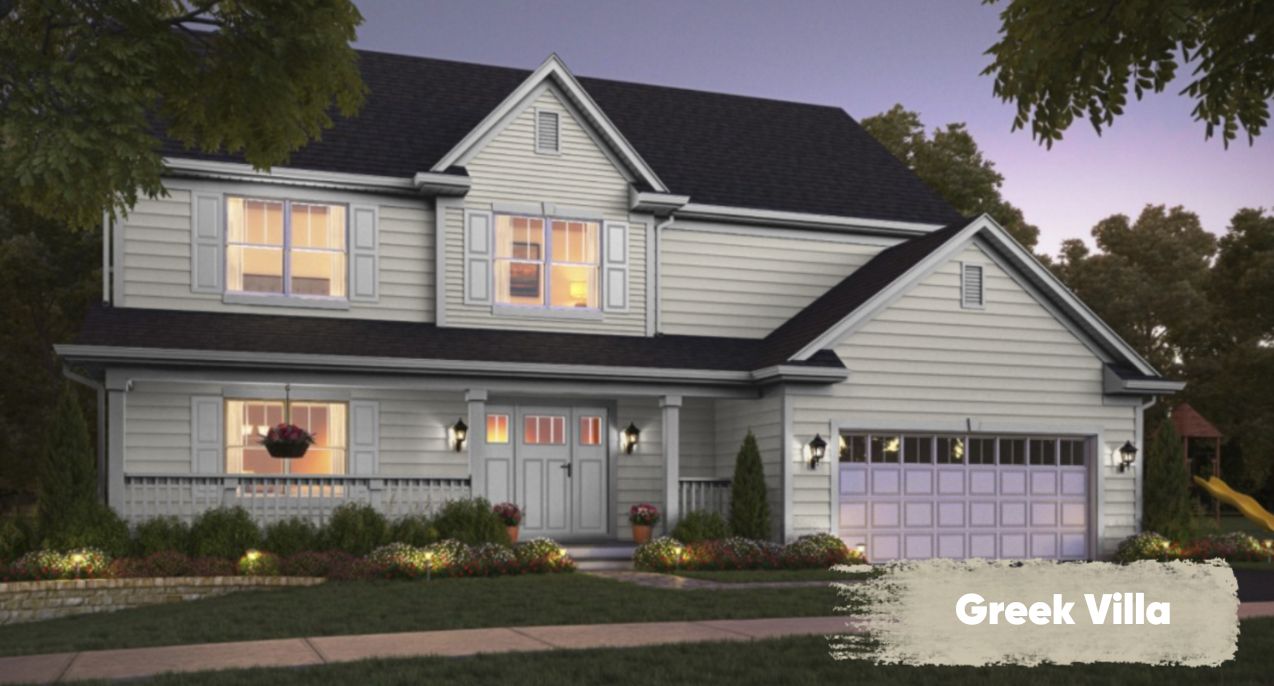
Creams: Greek Villa is a timeless favorite for warm, welcoming vibes.

When in Doubt, Ask for Help
Picking colors shouldn’t feel stressful. A good designer or color consultant can help you choose shades that match your vision and look right in your unique space and lighting. We can connect you with trusted local designers who make the process easy and fun.
Ready to see how the right color and the right light can transform your home?
Let’s talk! From sampling to referrals, we’re here to help you every step of the way.

