




Things to Consider Before Starting a Painting Project in St. Petersburg, FL
Posted on November 2, 2025



Painting a home or business isn’t just a color decision — it’s a project that affects comfort, safety, schedules, and the long-term value of the property. In a coastal city like St. Petersburg, humidity, sunlight, and salt exposure create additional considerations that homeowners and property managers should understand before hiring a commercial painter or approving a scope of work.
Use these questions and checkpoints to prepare your project for a predictable, durable, and stress-free outcome.
Company, Licensing & Safety
1. Are you licensed for residential and commercial work in Florida and fully insured?
Why it matters: Protects you from liability and ensures compliance with state requirements.
What good looks like: Certificate of Insurance on request (General Liability + Workers’ Compensation), active Florida licensing for the scope of work.
2. What safety procedures do you follow for occupied homes or tenant spaces?
Why it matters: Reduces risks to residents, pets, and property.
What good looks like: Written safety policies, ladder/scaffold procedures, PPE use, ventilation protocols, and daily site check-ins.
Experience & Project Fit
3. Have you completed similar projects in St. Petersburg’s coastal climate?
Why it matters: Local experience means better product choices and prep methods for humidity, salt, and year-round sun exposure.
What good looks like: Recent exterior and interior examples with photos, substrate notes, and measurable results.
4. Can you provide two nearby references?
Why it matters: Confirms reliability, communication, and craftsmanship.
What good looks like: Homeowners or property managers who can speak to timeliness, cleanliness, and finish quality.
5. Who will be on site each day?
Why it matters: Accountability and clear communication.
What good looks like: Named onsite supervisor, typical crew size, and confirmation of whether painters are employees or subcontractors.

Scope, Prep & Surface Conditions
6. What exactly is included and excluded in the estimate?
Why it matters: Avoids mid-project change orders and misaligned expectations.
What good looks like: Written scope listing surfaces by room/elevation, prep steps, minor repairs, and exclusions.
7. How will you prepare each surface?
Why it matters: Prep determines durability — especially in Florida’s climate.
What good looks like: Pressure washing, caulking, sanding, patching, spot-priming, rust treatment, and moisture readings where needed.
8. How do you handle minor repairs?
Why it matters: Small issues (wood rot, stucco cracks, drywall dents) can derail a timeline.
What good looks like: Clear pricing or allowances for repairs, with before/after photos.
Products & Environmental Factors
9. What products are being specified for our home or building?
Why it matters: Florida’s heat, UV exposure, and humidity require durable, climate-appropriate coatings.
What good looks like: Manufacturer-recommended systems for stucco, Hardie, wood, block, or metal. Product sheets available on request.
10. Will low-VOC or low-odor products be used indoors?
Why it matters: Improves occupant comfort and reduces downtime.
What good looks like: Zero-VOC acrylics, low-odor primers, and odor-control plans.
11. Can you assist with color selection or mockups?
Why it matters: Prevents clashes with existing finishes and ensures confidence before painting begins.
What good looks like: Color consultation, drawdowns, or digital previews.

Schedule, Access & Weather Planning
12. What is the projected schedule and daily workflow?
Why it matters: Sets expectations and helps residents or businesses plan around the work.
What good looks like: Written schedule, daily arrival times, and communication cadence.
13. How do you handle weather delays?
Why it matters: Florida’s rain and humidity can disrupt exterior painting.
What good looks like: Moisture and temperature monitoring, built-in weather float days, and same-day communication about schedule changes.
Site Protection & Cleanliness
14. How will you protect landscaping, floors, and furnishings?
Why it matters: Prevents damage and reduces cleanup time.
What good looks like: Drop cloths, plastic sheeting, plant protection, furniture moving, and daily cleanup.
15. What is your plan for ventilation during interior work?
Why it matters: Comfort and safety for occupants.
What good looks like: Fans, air movement plans, and scheduling sensitive areas for low-traffic times.
Quality Control, Communication & Pricing
16. What inspections and quality checks are performed?
Why it matters: Ensures each coat meets manufacturer specs and finish standards.
What good looks like: Multi-stage walkthroughs, touch-up logs, and final sign-off.
17. Who is the single point of contact?
Why it matters: Avoids communication gaps.
What good looks like: Dedicated project manager with clear update cadence.
18. How are changes and additional work handled?
Why it matters: Prevents sticker shock and misunderstandings.
What good looks like: Written change orders with pricing approval before work continues.
Post-Project Support
19. Do you provide touch-up paint and care instructions?
Why it matters: Helps maintain the look and extends the paint’s life.
What good looks like: Labeled cans, sheen notes, and basic maintenance tips.
Red Flags to Watch For
- No written scope or unclear prep steps
- No insurance documentation
- Vague pricing or “we’ll see when we get in there” language
- No assigned project manager
- No plan for weather, humidity, or surface moisture
If you’re seeing these, proceed carefully — or not at all.
Ready for Clear Answers?
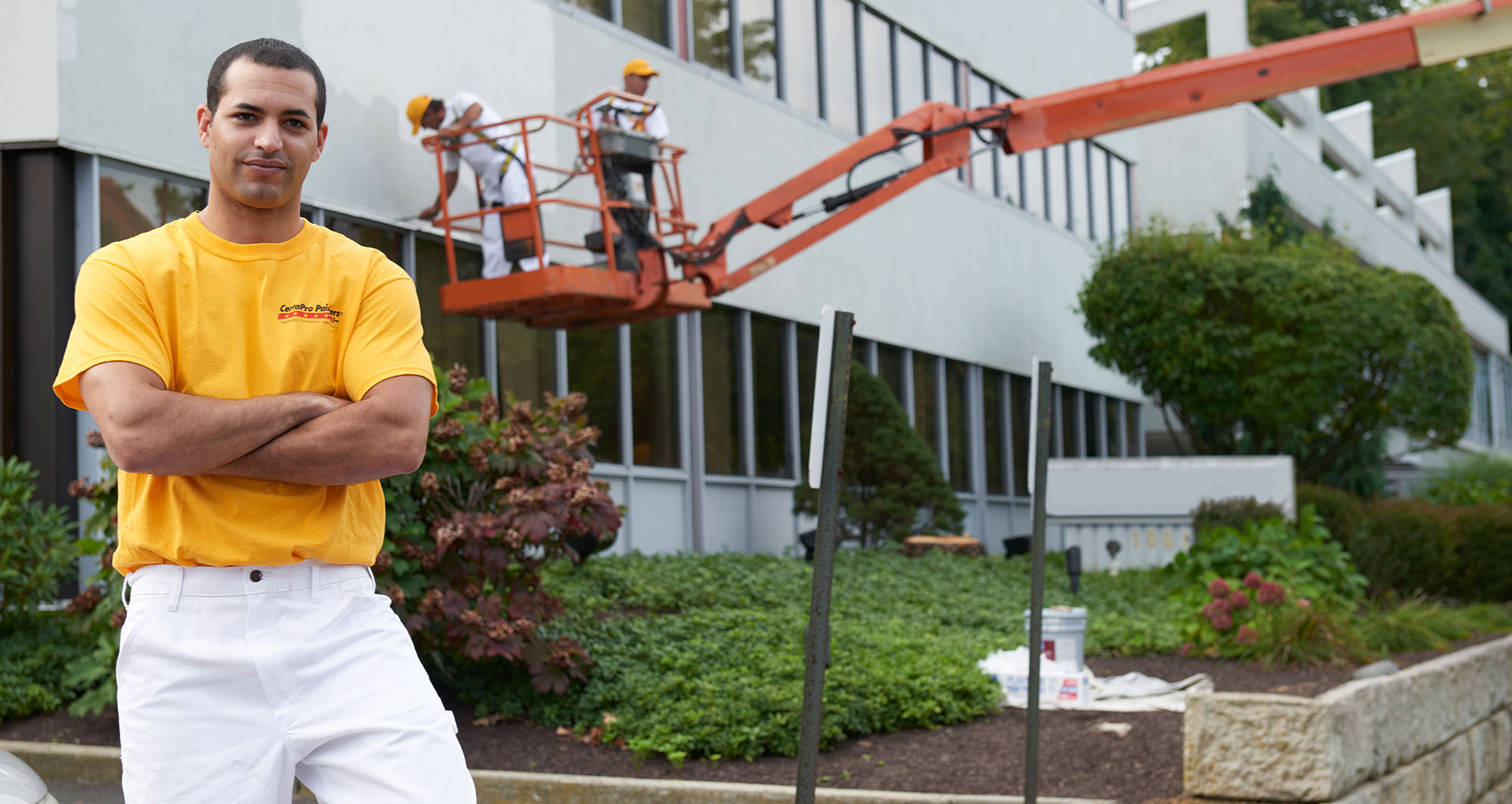
CertaPro Painters® of St. Petersburg delivers detailed scopes, climate-appropriate coating systems, and transparent communication from estimate to final walkthrough. Our team handles both residential and commercial projects with minimal disruption and lasting results.

