




St. Petersburg & North Bradenton Commercial Properties: Spring Painting Before Storm Season
Posted on March 18, 2026



On Florida’s Gulf Coast, commercial painting isn’t just maintenance—it’s preparation. In St. Petersburg and North Bradenton, spring is the last controlled window before hurricane season, extreme humidity, and daily storms begin to shape how (and when) projects can be completed.
If your property isn’t ready by early summer, it becomes harder—and more expensive—to get it there.
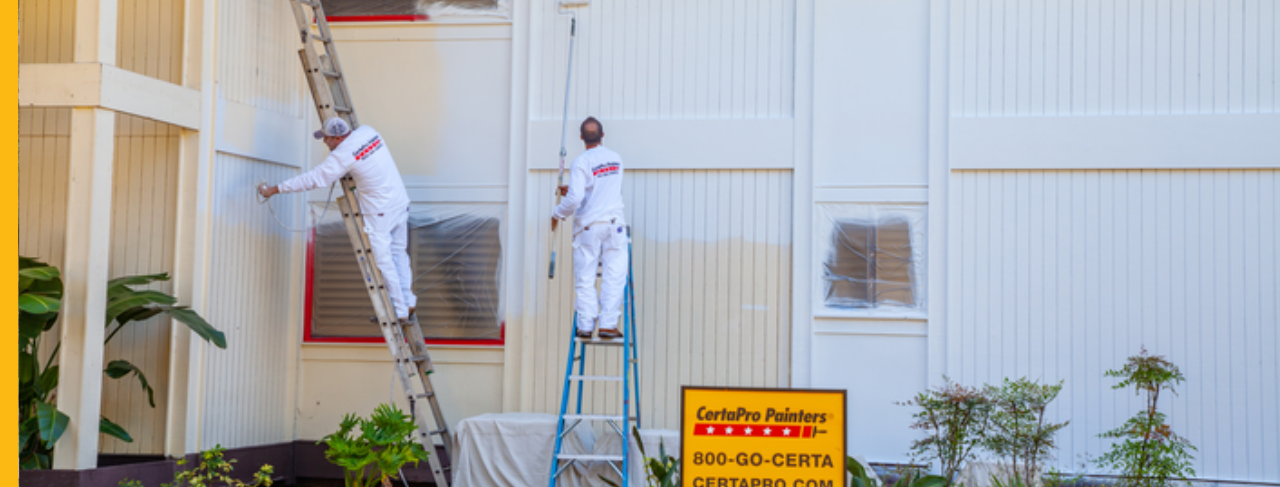
The Reality: Your Coating System Is Part of Storm Protection
Paint isn’t just visual in coastal Florida—it acts as a barrier against moisture, salt, and wind-driven rain.
When coatings begin to fail, even slightly, your building becomes more vulnerable to:
- Water intrusion during heavy storms
- Surface degradation from salt air exposure
- Accelerated wear from UV and heat
- Structural issues tied to moisture penetration
Spring is when these risks can still be addressed proactively.
Why Timing Matters More on the Gulf Coast
Unlike many regions, the timeline in St. Petersburg and North Bradenton is dictated by weather patterns.
Spring provides:
- Lower humidity compared to peak summer
- Fewer daily rain interruptions
- More predictable scheduling conditions
- A clear window before hurricane season begins
Once summer arrives, projects often face:
- Frequent delays due to storms
- Extended drying times
- Increased scheduling competition
High-Risk Areas to Address Before Storm Season
Not every part of your property is equally exposed. Focus on areas most vulnerable to weather impact.
Priority zones include:
- Building exteriors facing prevailing winds
- Roofline trim and fascia
- Doors, windows, and sealed edges
- Stucco surfaces showing early cracking
- Coastal-facing facades exposed to salt air
These areas typically fail first—and create the biggest issues if left untreated.
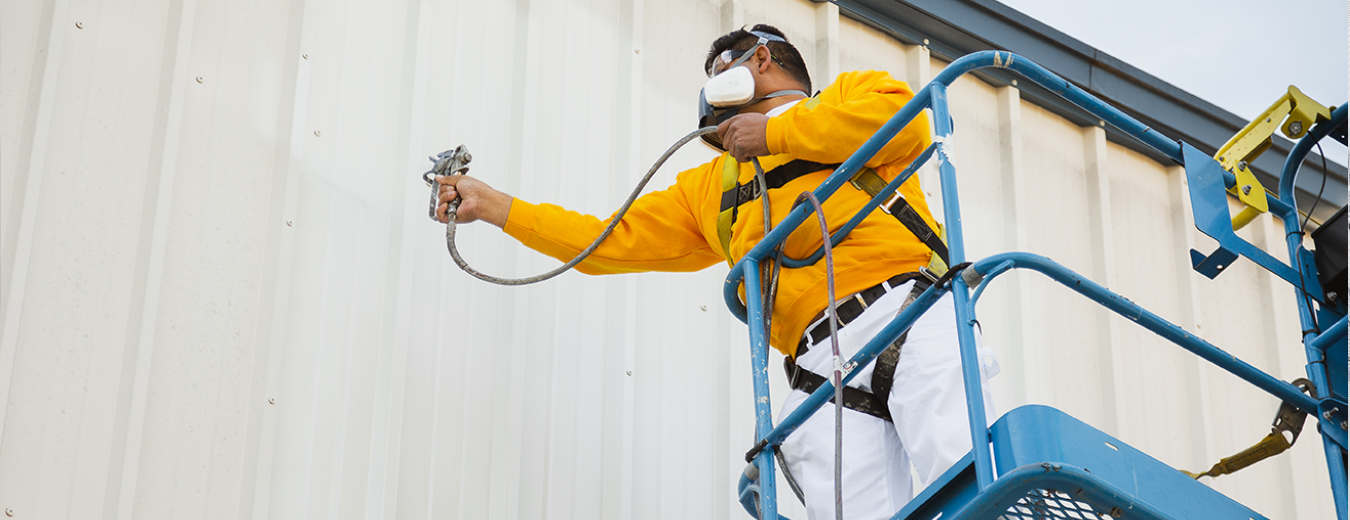
Coatings Designed for Coastal Commercial Use
Standard paints are not built for Gulf Coast conditions. Commercial properties require systems that perform under constant environmental stress.
Look for coatings that offer:
- Salt resistance to reduce surface breakdown
- Mildew resistance for high humidity
- UV stability to prevent rapid fading
- Flexibility to handle expansion and contraction
- Strong adhesion to stucco, concrete, and metal
For interior commercial environments, products like Sherwin-Williams interior commercial high-performance coatings provide durability in high-traffic, high-humidity spaces.
Interior Projects: The Secondary Opportunity
While exterior work is time-sensitive, spring is also a strategic time to update interiors before peak tourism and business activity.
Common spring updates include:
- Refreshing lobbies and customer-facing areas
- Updating retail or hospitality interiors
- Preparing tenant spaces for seasonal turnover
- Improving lighting perception with updated color schemes
Interior work can often be completed with minimal disruption when planned correctly.
Minimizing Business Disruption During Peak Season Prep
In high-traffic coastal markets, downtime is costly—especially as tourism increases.
Effective strategies include:
- Off-hours or overnight work for customer-facing spaces
- Phased exterior projects to maintain access
- Coordinating work around tenant or customer flow
- Prioritizing high-visibility areas first
Spring allows for this flexibility before peak season pressure builds.
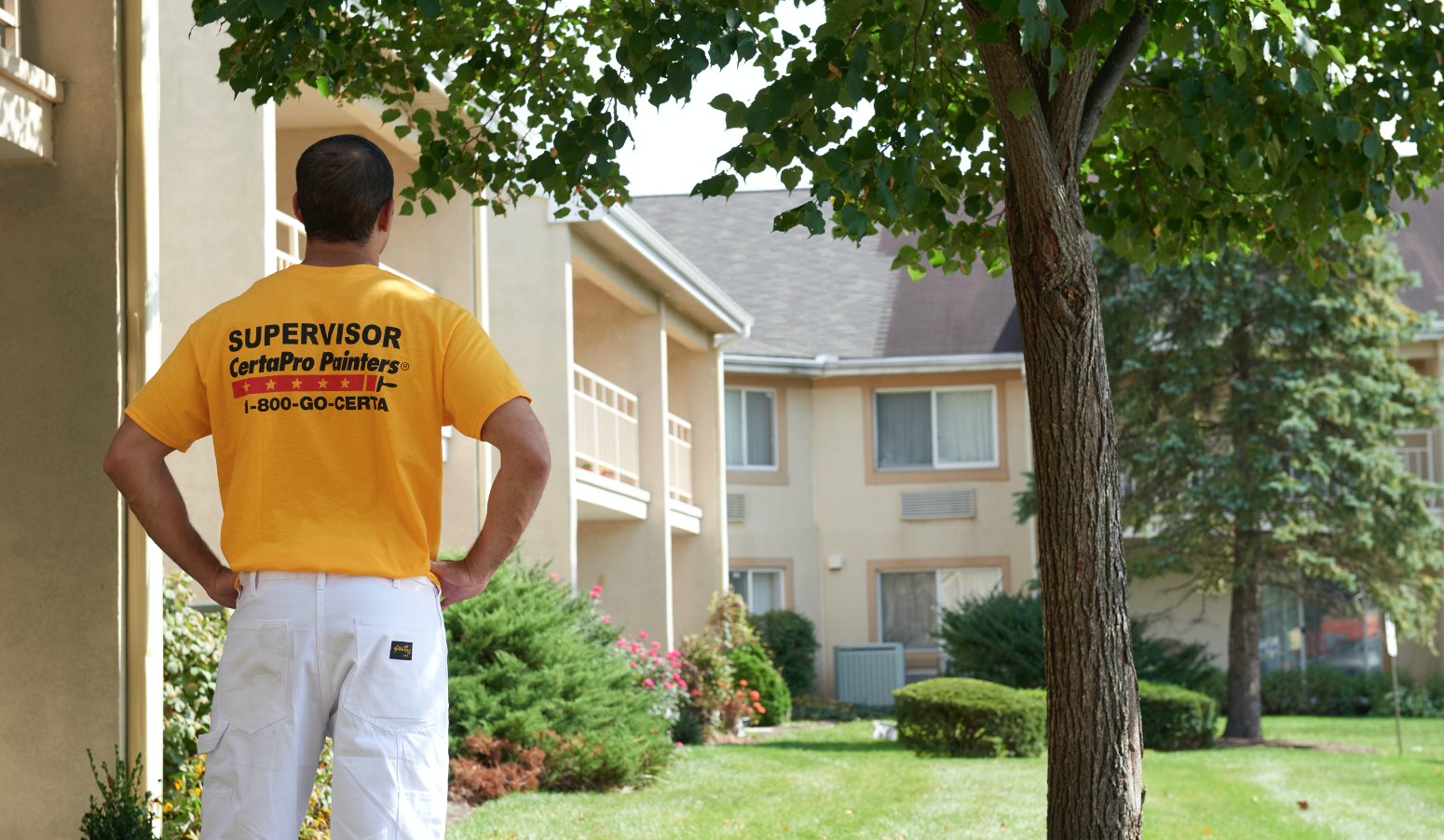
Why Gulf Coast Businesses Use Professional Crews
Commercial painting in coastal Florida requires more than standard execution—it requires climate-specific planning.
CertaPro Painters® of St. Petersburg and North Bradenton, FL provides:
- Coatings designed for salt, humidity, and UV exposure
- Timing strategies aligned with Gulf Coast weather patterns
- Scalable crews for efficient project completion
- Minimal-disruption scheduling for active properties
The Strategic Takeaway
In St. Petersburg and North Bradenton, the question isn’t whether your property will face extreme conditions—it’s when.
Spring is your opportunity to:
- Strengthen your building before storm season
- Address early-stage coating failure
- Complete projects under controlled conditions
- Avoid reactive maintenance during peak weather

