

CertaPro Painters® in Seattle, WA Help You Remove Paint Toxins From Your Home
Posted on February 19, 2020



Older homes have a nostalgic charm but could be hiding potentially hazardous toxins within the walls. In paint used before 1978, things like mercury, lead and other dangerous chemicals were regularly used in paint making. CertaPro Painters® from Seattle can help you update your home to remove these chemicals and make it safer for your family.
Before you start any paint removal or repairs in a home from before 1978, be sure to have the paint tested for hazardous chemicals. Disturbing this paint could release these toxins into your home. Research shows that even a small amount of these chemicals from chips or dust could cause intellectual and behavioral issues in babies and small children.
Why Remove It After All This Time?
 Exposure to these toxic chemicals happens most often through ingestion. While the paint is on the walls and in tact, it’s safer. When chips or flakes happen, or sanding starts for a new paint job, that’s when the paint becomes toxic to family members, including 4-legged ones. Even very low levels of exposure have been linked to learning disabilities and high levels to poisoning, anemia and brain and nervous system issues. There is no safe level of exposure to hazardous paint. The only option is to remove it completely.
Where is lead-based paint found?
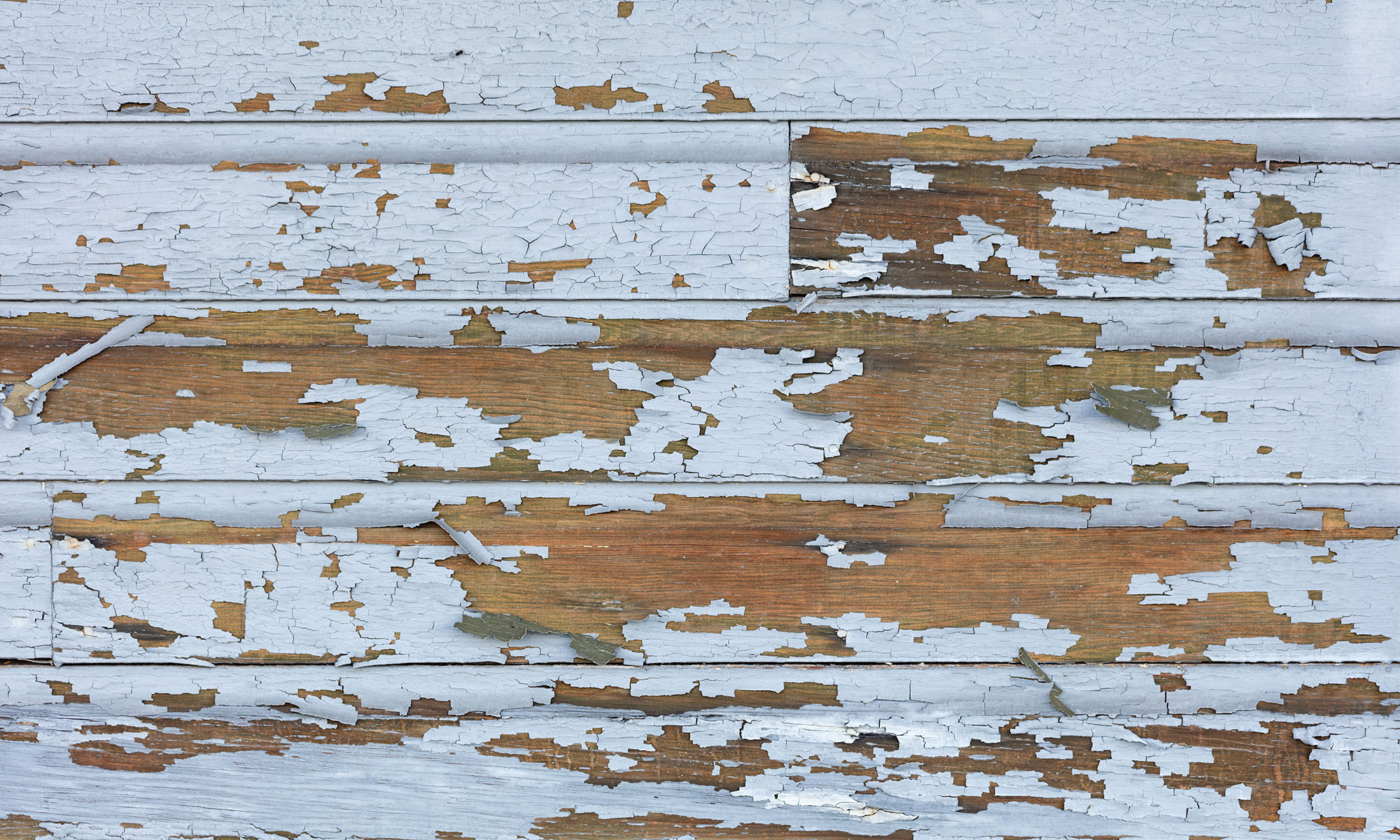 Lead was a common ingredient in paint used before 1960. From 1960-1990, paint was made with much less chemical toxins. After 1992, the paint industry removed the lead and other toxins for interiors and went virtually lead-free. Exteriors are a different story. Paints made for exterior use could still contain lead but will carry a warning label on the gallon.
How do I check my house for lead paint?
 The internet will reveal that there are quite a few home lead paint testing kits. They are also available through most home improvement stores. The kits ask you to send in paint chips to their laboratory for testing. Contractors are a great resource as well. They will be able to test your home and give you an immediate answer through x-ray equipment made specifically to seek out toxins in paint.
Consult A Professional Before Removing Or Painting
 Any level of toxic residue in paint can be dangerous and should be addressed as you plan to renovate. Do not disturb the paint without consulting a professional. In tact paint has minimal danger for your family, while sanding and chipping immediately releases chemicals into the air. Sometimes the best option is covering the unsafe paint with a new, safe paint made for interiors. To remove or paint over potentially toxic paint, you’ll need to consider the following items. It’s important to match your best suited option for your family. Sometimes hiring a professional contractor to handle this job for you is the best option.
Put Your Family First
 The youngest family members are the most susceptible to paint toxins. Women who are pregnant or trying to conceive should avoid exposure completely. The smallest amount of contamination can be detrimental. The same goes for pets of all shapes and sizes. Remove these family members from the home completely until the work is 100% done.
Wear Protection At All Times
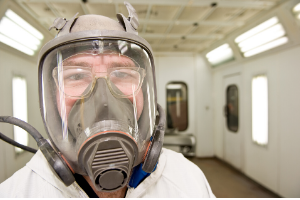 While working, you’ll want to cover as much of yourself as possible. Use gloves, masks, goggles and painting attire. The National Institute of Occupational Safety and Health (NIOSH) approved respirator is imperative. Keeping the dust, mist and fumes out of your lungs is crucial to safety. Do not drink, smoke, eat or touch your face in the construction for any reason. Keep your respirator on at all times.
Prepare to Prep
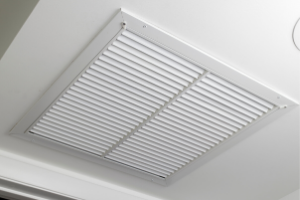 After removing family members and protecting yourself, seal off the work area. Seal and cover all heating and air conditioning vents. Turn off the HVAC unit until the project is completed. Remove all soft surfaces like rugs, furniture, curtains and household items. Once you start work, use a spray bottle with water and detergent at the end of each day to spray down all dust.
If you are working on a home exterior painting, avoid windy days. Protect your planters and grass with plastic drop cloths. Cover and tape off all windows and doors to keep the dust from entering your home.
Safe Stripping
 Use techniques from our CertaPro Painters® in Seattle to reduce dust and fumes while removing toxic paint. Chemical stripping introduces the least amount of dust into the air. The chemical strippers have their own harmful aspects so make sure you are aware of those and follow all manufacturer’s directions. Sanding or grinding creates more dust and more care not to spread it around. Ventilation is not your friend. You must turn off any compressors for air conditioning or heating. Cover and tape vents thoroughly with plastic cloth. Take off work clothes and safety gear before you leave the area.
Clean Up Time
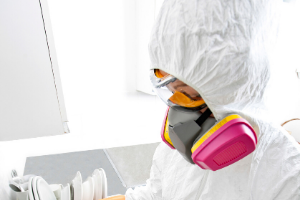 Daily clean up is crucial in this project. Use your spray bottle to squirt all dusty areas, or wipe them down with a wet cloth. Try to keep the dust from spreading as you work and as you finish for the day. Sealed plastic bags should be used to store all items that have come in contact with hazardous waste. If you use a vacuum in your cleaning, make sure it has a HEPA filter. All work clothes should be removed and immediately followed with a thorough washing of the clothes, your face, hands, tools and equipment.
Final clean up: After the project is done, wait 24 hours for dust in the air to settle, then set to work on your final clean up. Again, spray and wipe all surfaces down. Store cleaning items in plastic that is marked hazardous waste.
Call The Professionals
If this all seems very cumbersome and you worry about your contamination risk, call our CertaPro Painters® in Seattle! We can give you a free, in-home estimate to have our hazardous waste crew take care of this painting for you.