



Painting in High Humidity: How to Protect Your New Orleans Exterior
Posted on April 17, 2026



In New Orleans, humidity isn’t seasonal—it’s constant. That creates a different set of challenges for exterior painting than in drier climates. Moisture in the air, frequent rain, and heat all affect how paint adheres, dries, and holds up over time.
Without the right approach, even a new paint job can begin to break down quickly. Protecting your exterior in this environment starts with understanding how humidity impacts every step of the process.
Why Humidity Causes Paint to Fail
High humidity slows down the drying process. When paint takes longer to cure, it’s more vulnerable to issues like streaking, uneven finishes, and poor adhesion.
Moisture can also get trapped beneath the surface if the substrate isn’t fully dry before painting. Over time, that trapped moisture leads to bubbling, peeling, and mildew growth—especially in shaded or low-airflow areas.
Choosing Paint That Handles Moisture
In a climate like New Orleans, standard exterior paint isn’t enough. You need coatings that are designed to resist moisture while still allowing surfaces to breathe. This balance helps prevent water from entering while allowing any trapped moisture to escape. It also reduces the likelihood of mildew forming on the surface.
Exterior products from Sherwin-Williams include coatings formulated for high-humidity environments, offering better durability and mildew resistance.

Surface Prep Is Critical
Preparation matters more in humid climates than almost anywhere else. Surfaces need to be thoroughly cleaned to remove dirt, mildew, and organic buildup, all of which are common in New Orleans.
Equally important is making sure surfaces are completely dry before painting begins. Even slight moisture can interfere with adhesion and shorten the lifespan of the coating. Sealing cracks and gaps is also essential. These small openings are where moisture enters first, eventually leading to larger areas of damage.
Timing Around Weather Conditions
In New Orleans, painting isn’t just about the season—it’s about timing within the day. Early mornings and evenings often carry higher humidity levels, which can affect how paint performs.
The best conditions typically fall during periods of lower humidity and stable temperatures. Even then, watching the forecast is important to avoid unexpected rain during application or curing.
Areas Most Affected by Moisture
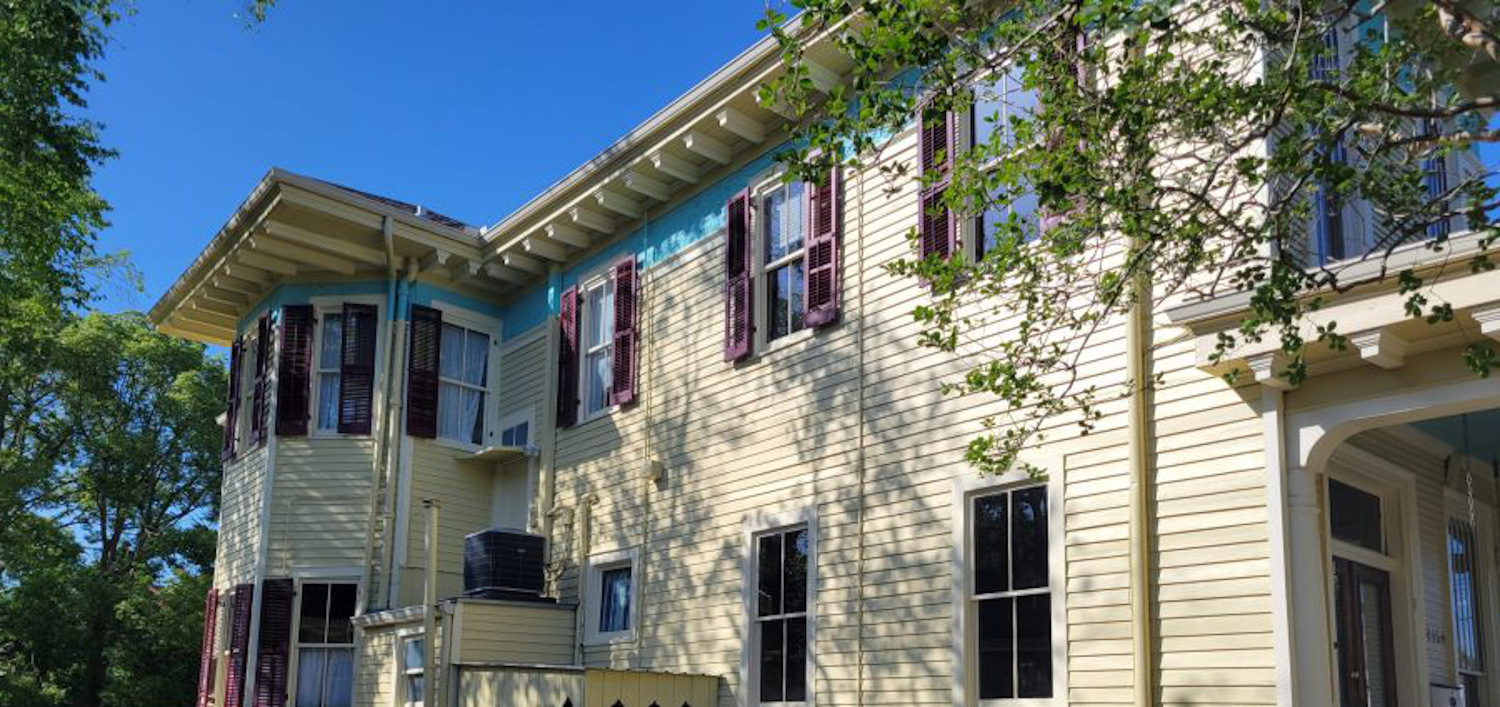
Certain parts of a home tend to hold moisture longer. Shaded walls, areas near landscaping, and sections with limited airflow are more likely to develop mildew or experience paint breakdown.
Trim, siding joints, and horizontal surfaces like window sills are also more vulnerable. These areas should be carefully prepared and coated to prevent water from penetrating the surface.
Building a Finish That Lasts
In a high-humidity environment, durability comes from the system as a whole—prep, product, and timing working together. Skipping any one of these increases the likelihood of early failure.
When done correctly, exterior painting can hold up against New Orleans’ conditions, maintaining both appearance and protection over time.
A Smarter Approach for New Orleans Homes
Exterior painting in New Orleans requires more than standard methods. It requires a moisture-aware approach that accounts for humidity at every stage.
If your home is showing signs of peeling, mildew, or fading, addressing those issues with the right prep and materials can make a significant difference. With the right strategy, your exterior can stay protected and consistent—even in one of the most challenging climates for paint.

