



Your Spring Exterior Painting Checklist: What Marietta Homeowners Should Do Right Now
Posted on March 16, 2026



Spring in Marietta has a way of arriving almost overnight. One week, the trees are bare and mornings are cold. The next, the dogwoods are blooming, pollen is coating everything in sight, and temperatures are climbing fast. It’s one of the most beautiful times of the year in Cobb County, but it’s also one of the most important windows for a homeowner to assess, address, and protect their home’s exterior before Georgia’s brutal summer heat and humidity.
The good news is that you don’t have to be an expert to know what to look out for. At CertaPro Painters® of Marietta, GA, we’ve put together a practical checklist to help you look at your property with a trained eye:
Step One: Do a Full Walk-Around Before You Do Anything Else
Before you call anyone or make any big decisions, take an hour on a dry, bright day and walk slowly around the full perimeter of your home. Look at every surface close up and from a distance, taking pictures on your phone of anything that looks off.
Look for visible signs that your home’s exterior has been stressed by winter or is showing any vulnerabilities heading into warmer months. In Marietta and throughout the rest of Cobb County, winters are mild by national standards, but still deliver cold snaps, wet weather, and temperature fluctuations that can do damage to paint and surfaces.
Step Two: Check for Peeling, Bubbling, and Cracking Paint
Peeling and bubbling paint is one of the most common things Marietta homeowners discover on their spring walk-around, and it’s almost always a moisture indicator. When water infiltrates paint film though cracks or other compromised surfaces and then freezes and expands, the paint looses its bond and begins to lift.
Look closely at areas that are most prone to moisture, such as gutters, downspouts, beneath windowsills, along the base of siding near the foundation, and north-facing walls. Also check areas where two different materials meet as they tend to be more vulnerable to paint failure. Peeling paint can expose surfaces directly to Georgia’s spring rains and summer humidity, causing them damage.
Step Three: Inspect Caulking Around Windows, Doors, and Trim
Caulking is one of the most important components of a home’s exterior, critical to its weatherproofing. Caulk seals the gaps and transition points where water could possibly infiltrate, so its common to find caulk that has cracked, shrunk, or deteriorated after a Georgia winter.
Go around every window and door frame on your home to examine the caulk lines carefully. Press gently on any areas that look questionable. Caulk that is hard and brittle, visibly cracked, or pulling away form the surface needs to be removed and replaced before any painting can be done. Painting over failed caulk is a surefire way to ensure that a coat of paint doesn’t last.
Step Four: Look for Mold, Mildew, and Algae Growth
Marietta’s combination of humidity, shade from its abundant tree canopy, and mild wet winters make it one of the most mold and mildew-friendly environment in the Atlanta metro area. Look for areas on your home that have dark streaking, greenish patches, or fuzzy growth. If you see any of these, chances are you have mold or mildew growth.
Before painting, you have to address mold and mildew on your home. Painting over biological growth without properly treating and cleaning the surface first will cause your paint to fail. Surfaces need to be cleaned with appropriate solutions, allowed to dry completely, and treated with a primer that inhibits future growth before a topcoat is applied. Spring in Marietta also means pollen, which will also need to be cleaned off before any painting begins.
Step Five: Assess Wood Surfaces for Rot and Deterioration
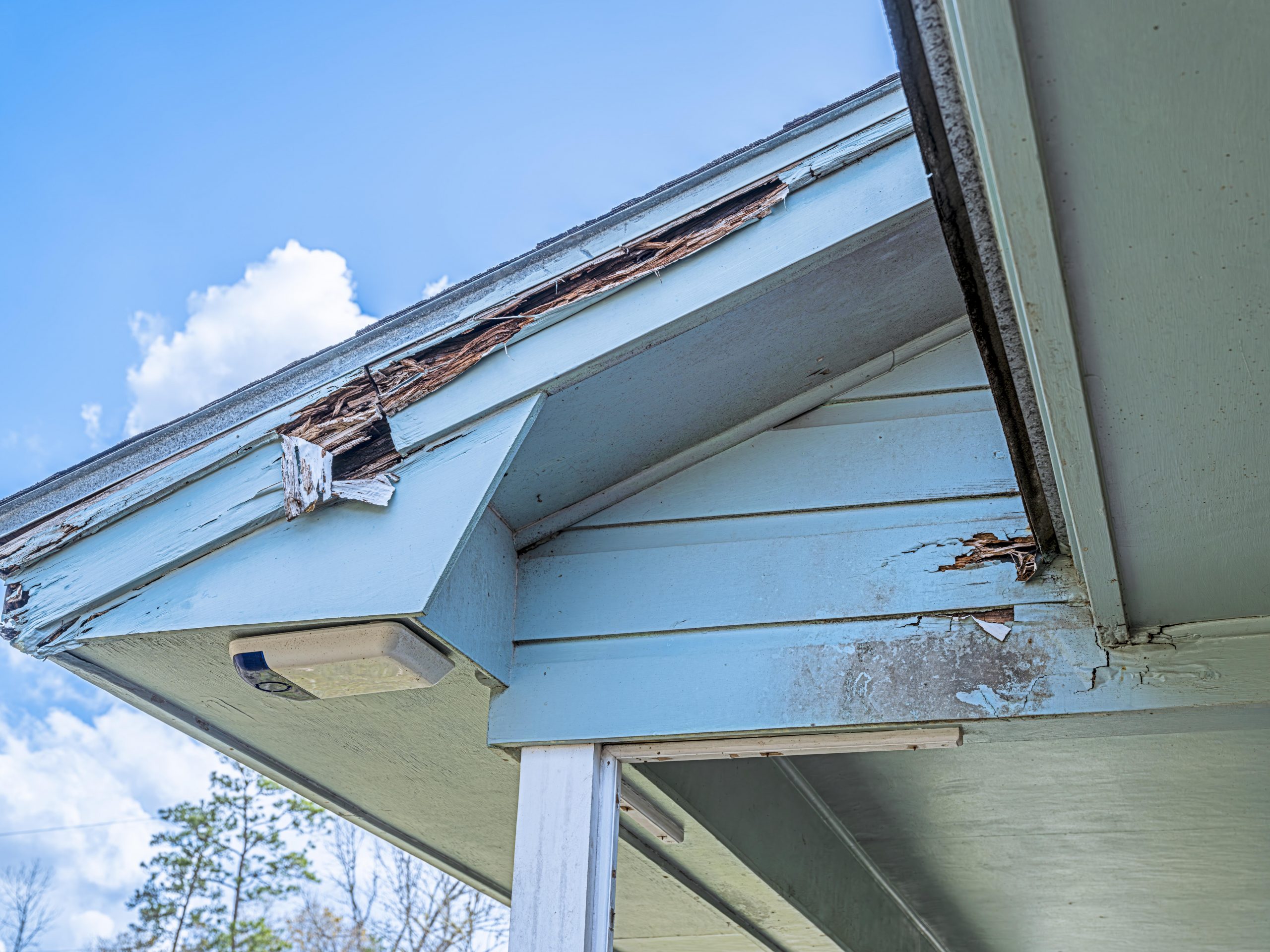
Wood elements on your home’s exterior, including fascia boards, window and door trim, decorative columns, and wood siding, deserve close attention during your spring inspection. Wood is the most vulnerable exterior material in Georgia’s climate, and winter moisture followed by spring warmth creates ideal conditions for wood rot to develop or accelerate.
Press firmly on any wood surfaces that look discolored, soft, or paint-worm. Healthy wood feels solid and firm while wood that feels spongy, gives under pressure, or shows visible darkening or crumbling is rotting. Catching wood rot while its still localized can make for a manageable repair. Before painting, any rotted wood need to be repaired or replaced.
Step Six: Evaluate the Overall Condition and Age of Your Existing Paint
Even if your home isn’t showing dramatic signs of failure, it’s worth stepping back and honestly evaluating the overall condition of your existing paint. Run your hand along a section of siding. If it comes away with chalky residue, your paint has reached the end of its useful life and is no longer offering protection. Look for fading, uneven color, and a generally dull appearance. This can indicate that the paint’s resins and pigments have been depleted from UV exposure.
A well-executed exterior paint job in Georgia’s climate, done with quality paints and proper preparation, should last somewhere in the range of seven to ten years. If your home is approaching or past that mark, spring is the right time to get ahead of any paint failure.
At CertaPro Painters® of Marietta, GA, we’re ready to help you work through this checklist, assess your home’s specific needs, and put together a plan that protects and beautifies your home heading into the season ahead. Schedule your free estimate today to get started!

