


How to Get Smoke Odors Out of Walls: A Complete Interior Painting Guide
Posted on July 24, 2026


Smoke odor can remain inside a house after prolonged cigarette use, excess smoke from a fireplace, a burned meal, or the aftermath of a limited fire. Although the original cause may no longer be present, the smell can continue to affect walls and interior surfaces. Opening windows or applying a new paint color without proper preparation is usually not enough to solve the issue.
The particles found in smoke are small enough to penetrate wall paint, drywall, wood trim, and other porous materials. Effective odor removal therefore requires a complete preparation and painting system rather than a simple cosmetic repaint.
In this guide, La Jolla homeowners can learn why smoke odor becomes trapped in walls, what steps are necessary before repainting, and how specialized primers can help isolate stubborn smells beneath a durable new finish.
Key Takeaways:
- Smoke residue can enter the wall rather than remaining on top of it. Fine smoke particles may become lodged in paint, drywall, trim, and other porous materials, allowing the odor to persist.
- Cleaning is a critical part of surface preparation. Soot, nicotine, oils, and grease must be removed to improve primer adhesion and keep contamination from affecting the newly painted surface.
- A coat of paint alone cannot reliably block smoke odor. Long-lasting results generally require proper cleaning, adequate drying time, and a primer made specifically to seal stains and odors.

Why Does Smoke Odor Stay in Walls?
Smoke carries microscopic particles containing soot, oils, tar, and other compounds. These contaminants spread throughout a room and settle onto walls and nearly every other exposed surface. Over time, the residue can penetrate the existing paint and enter the underlying drywall or other porous material. This can cause odors to return well after the smoke source has been removed. Common contributors include:
Cigarette or cigar smoke
Fireplace or wood-burning stove smoke
Burnt food or cooking smoke
Minor fire damage
The amount of time the residue remains on the walls can affect how difficult the odor is to remove.
4 Steps to Remove Smoke Odor
Removing smoke odor involves addressing both visible residue and contamination that may be trapped below the painted surface. A methodical cleaning, sealing, and repainting process can help restore the more pleasant and familiar indoor environment the home had before it was exposed to smoke.
Step 1: Clean the Walls Thoroughly
Walls affected by smoke should be washed before any primer is applied. Leaving nicotine, soot, or oily residue on the surface can interfere with adhesion and allow odors or discoloration to emerge through the completed paint job.
The cleaning solution should be selected according to the amount and source of the contamination. Common options include:
Mild detergent for light residue
Degreasing cleaners for kitchens
TSP, or trisodium phosphate, or a TSP substitute for heavier nicotine and smoke deposits
Every cleaning product should be applied according to its manufacturer’s instructions. Homeowners should also use suitable gloves, protective eyewear, and ventilation when working with more powerful solutions.
Step 2: Allow the Walls to Dry Completely
After the cleaning process, the walls must dry thoroughly before they are coated with primer.
Applying a primer while moisture remains in the wall can weaken adhesion and seal water below the coating. Trapped moisture may eventually contribute to blistering, peeling, or an uneven finish.
Windows, fans, and dehumidifiers can be used to increase ventilation and support drying. The total drying period will vary based on indoor humidity, airflow, the cleaning procedure, and the condition of the painted surface.
Step 3: Seal Smoke Odors with an Odor-Blocking Primer
Once the cleaned walls are completely dry, they should be coated with an odor-sealing primer.
A standard interior primer may be useful for creating an even surface and helping paint adhere, but many ordinary primers are not made to block deeply embedded smoke smells or nicotine discoloration.
A stain- and odor-blocking formula should be selected instead. Depending on the extent of the contamination, professionals may use:
Shellac-based primers for strong odors and extensive smoke exposure
Oil-based stain-blocking primers for pronounced staining and dependable odor control
Advanced waterborne odor-blocking primers for lighter residue and applications where lower odor is preferred
The primer isolates remaining smoke contamination beneath a sealed surface, helping prevent it from passing through the finish paint. It also allows the final coats to cover more evenly.
Primer selection should account for the source and severity of the odor, the surface material, and any staining or deterioration found during preparation.
Step 4: Apply High-Quality Interior Paint
When the primer has dried and cured, the finish paint can be applied to the prepared walls.
Premium interior paint provides an attractive new color along with durability and easier cleaning. Two finish coats generally offer dependable coverage and a smooth, uniform appearance. Choosing an appropriate sheen will also help the painted surface perform well in the specific room.
Are Professionals Required for Odor Removal?
Homeowners may be able to address a small space with minor smoke exposure when the contamination is light and the correct preparation products are used. Hiring professional painters is often beneficial for projects involving:
Smoke damage in multiple rooms
Cigarette smoke that has accumulated over many years
Dark or widespread nicotine stains
High ceilings and difficult wall areas
Damage resulting from a fire
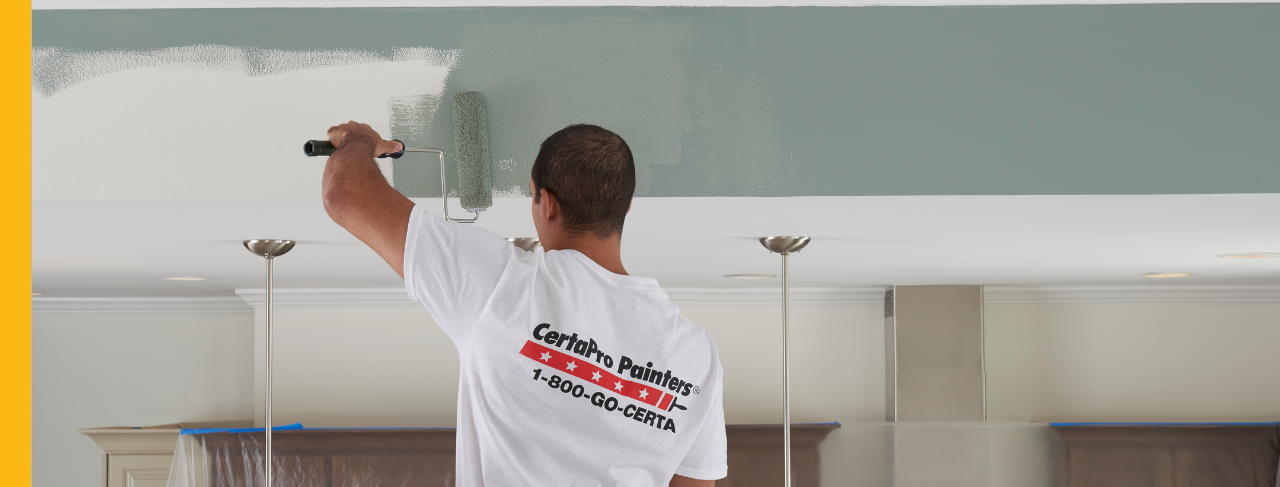
Professional painters can assess the condition of the surface, determine which primers are suitable, and follow preparation procedures designed to reduce future odor problems. Their product knowledge and application methods can make the completed finish more reliable and longer lasting.
Restore Your Home with Professional Interior Painting
Lingering smoke odor can be unpleasant and disruptive, but many affected walls can be successfully restored. Thorough cleaning, proper drying, specialized odor-blocking primer, and quality interior paint can give the room a renewed appearance while helping isolate residual smells.
Residents of La Jolla who need assistance with smoke-affected interiors can contact CertaPro Painters® of La Jolla. Professional painters can evaluate the condition of the walls, recommend effective preparation products, and provide painting services tailored to the needs of the home.

