



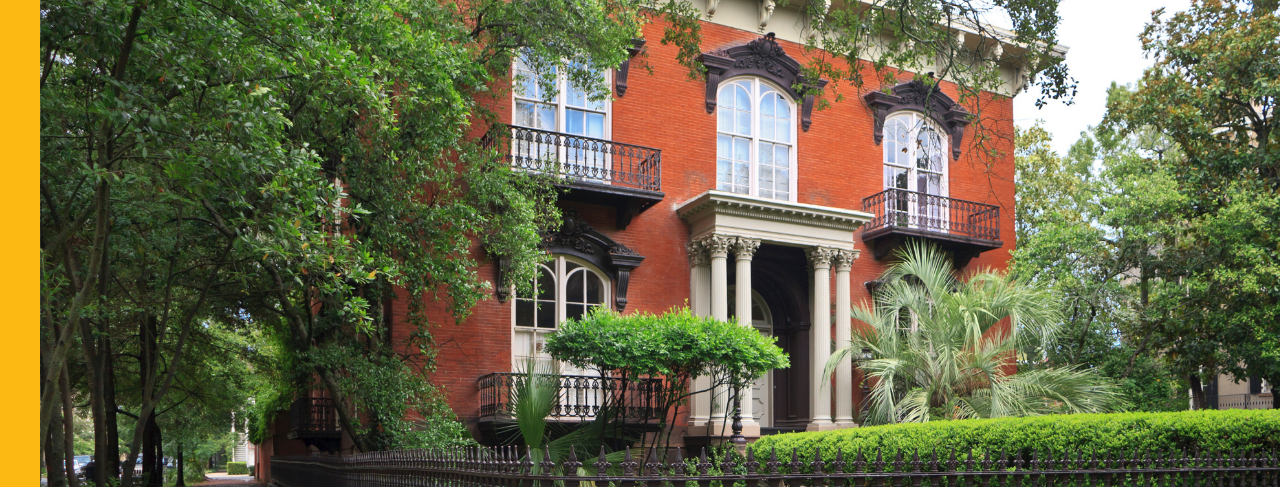
Ashland’s Historic Charm: Restoring Local Exteriors
Posted on April 13, 2026



In Ashland and across Chesterfield and Hanover County, historic homes define much of the area’s visual identity. From classic Colonial styles to early 20th-century builds, these properties carry details that newer homes simply don’t replicate.
Spring’s clear, sunny weather creates an ideal window to restore these exteriors. With stable conditions and lower humidity, paint adheres more effectively and cures more consistently—making it one of the best times of year to approach detailed exterior work.
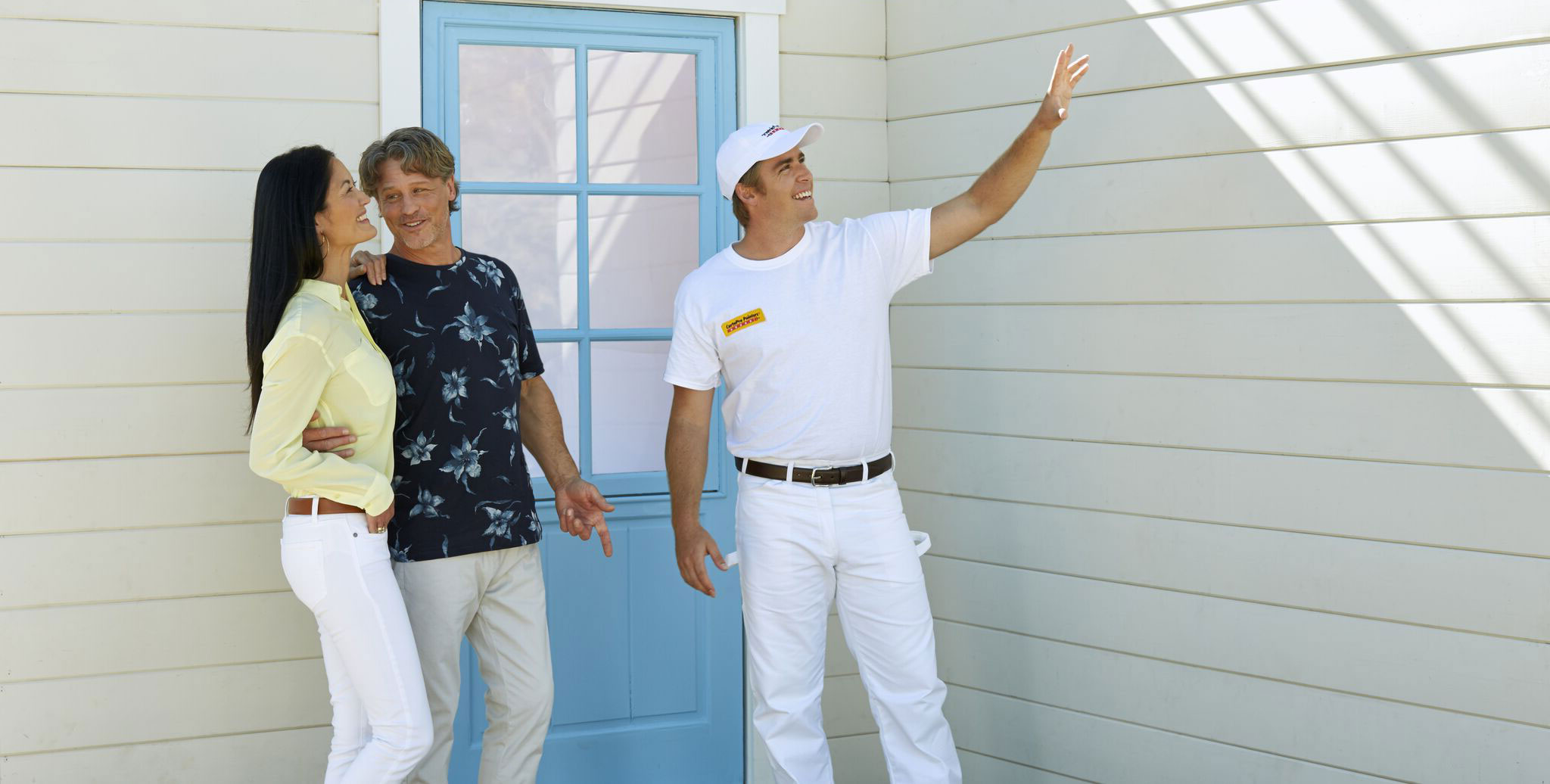
Why Historic Homes Require a Different Approach
Older homes aren’t just aged versions of modern construction—they’re built with different materials, techniques, and expectations. Wood siding, original trim, and layered paint histories all require a more deliberate process.
Restoration focuses on preserving what’s there rather than covering it up. That means evaluating existing surfaces, identifying areas of wear, and choosing products that protect without compromising the home’s original character.
Lead-Safe Practices Are Non-Negotiable
For homes built before 1978, there’s a strong likelihood that lead-based paint exists somewhere in the structure. Any exterior work—especially scraping, sanding, or repairs—needs to account for that.
Lead-safe practices are designed to:
- Contain dust and debris during surface prep
- Protect residents, workers, and surrounding soil
- Ensure compliance with safety regulations
This isn’t just a technical detail—it directly impacts how the project is handled from start to finish. Working with professionals trained in lead-safe methods ensures the process is both effective and responsible.
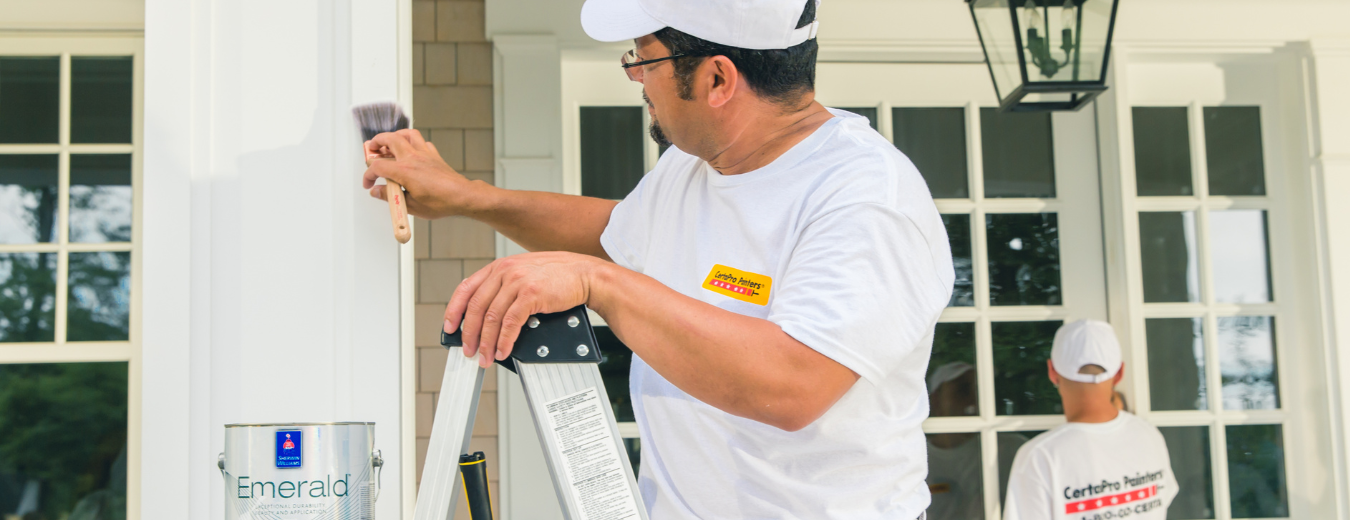
Choosing Traditional Color Schemes That Fit the Home
Color plays a major role in how historic homes are perceived. The goal isn’t just to pick something that looks good—it’s to choose tones that align with the home’s architectural style and the surrounding neighborhood.
In Ashland, that often means:
- Soft, historically grounded neutrals
- Muted blues, greens, or warm earth tones
- Contrasting trim colors that highlight architectural details
These palettes maintain the home’s authenticity while still feeling clean and refreshed.
For homeowners exploring historically appropriate exterior options, color collections and durable coatings from Sherwin-Williams can provide a useful starting point.
Taking Advantage of Spring’s Ideal Conditions
Virginia’s spring weather offers a relatively narrow but valuable window for exterior painting. Clear skies, moderate temperatures, and lower humidity levels allow paint to bond properly and dry evenly.
This matters even more for historic homes, where surface variation and material sensitivity make proper curing essential. Rushing the process or working in unstable conditions can lead to premature wear or visible inconsistencies.
Preserving Character While Improving Protection
Restoring a historic exterior isn’t just about appearance—it’s about extending the life of the home. Proper prep, thoughtful color selection, and high-quality coatings all contribute to long-term durability.
When done correctly, the result is a finish that respects the home’s original design while providing modern protection against weather and wear.
A Thoughtful Approach for Ashland-Area Homes
If your home in Ashland or the surrounding Chesterfield and Hanover areas shows signs of aging paint or surface wear, spring is the right time to address it. A careful, lead-safe restoration approach ensures the work enhances—not erases—the character that makes these homes unique.
With the right process and materials, exterior painting becomes more than a refresh—it’s a continuation of the home’s history. Work with our trusted team for your next project.

