



Wallpaper Best Practices For Homes And Businesses
Posted on February 17, 2026



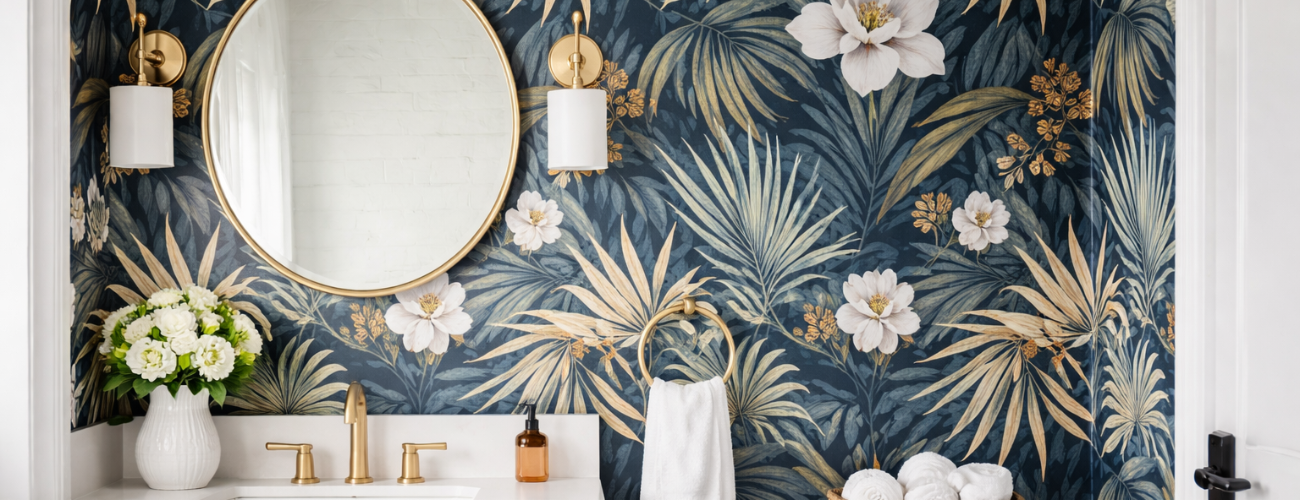
Wallpaper is back in a big way! From bold murals and grasscloth textures to durable commercial vinyls. When installed correctly, it adds instant character, hides minor wall imperfections, and outlasts paint in high-traffic areas. Here’s a practical guide to choosing, prepping, and installing wallpaper so it looks flawless and lasts.
Where Wallpaper Shines
Accent walls, powder rooms, dining rooms, lobbies, corridors, conference rooms, and feature walls behind reception desks are all great candidates. For commercial spaces, Type II vinyl wallcoverings deliver durability and cleanability; for homes, non-woven and grasscloth options create warmth and texture.
Choose The Right Material
- Non-woven papers: User-friendly, breathable, and often “strippable” for easier removal later.
- Vinyl/Type II (commercial): Highly cleanable and scuff-resistant. Ideal for corridors, restrooms (outside splash zones), and high-touch areas.
- Grasscloth and natural fibers: Beautiful texture, but seams are more visible, and they’re not ideal for moisture-prone spaces.
- Peel-and-stick: Good for temporary installs, but subpar walls or heavy texture can reduce adhesion.
Looking for a pro-tip? Order a sample first and view it under your actual lighting. Patterns and sheen can appear different under warm vs. cool LEDs and under morning vs. evening light.
Measure, Calculate, And Order Extra
Confirm the repeat and match (straight, drop, or random) and use the manufacturer’s calculator. Add 10–15% overage for pattern matching, trimming, and future repairs, and more if you have multiple doors or windows, or short runs.
Prep Makes (All) The Difference
- Smooth walls with a skim coat where needed, sand, and remove all traces of dust.
- Prime properly with a wallcovering primer called “sizing”, which is not a regular paint primer. It improves adhesion and, equally important, allows for cleaner removal later.
- Aim for stable temperature and humidity (HVAC on). High humidity can cause bubbles or a poor bond. When in doubt, use a moisture meter on the walls before you begin. Bathroom sheetrock should have the same moisture reading as any other walls in the home.
Plan The Layout Before You Paste
Start by identifying your focal line and centering large motifs on a primary wall or key architectural feature. Dry-fit a drop by holding a cut length in place to confirm how the pattern will fall around doors, corners, and switches. Always start plumb by snapping a laser or level line—walls are rarely perfectly straight, and this step ensures your pattern stays aligned from top to bottom.
Adhesives And Application
Always use the adhesive specified by the manufacturer, whether that means activating pre-pasted paper, applying paste to the wall, or pasting the paper itself. If the product requires it, allow proper booking time so the pasted paper can rest, relax, and expand evenly before hanging.
When working with seams, avoid overhandling them. Lightly roll with a seam roller at a gentle pressure, then immediately wipe away any paste residue with a clean, damp sponge. For outside corners, plan carefully: avoid creating a join at or near the corner by terminating well away from the corner, in both directions. It’s better to cut a narrower paper piece before approaching the corner than fight the misplaced edge for the life of the paper. It is also wise to start fresh with a new plumb line after each corner turn since out-of-square corners can easily telegraph through the pattern.
Tricky Areas To Plan Around
- Bathrooms: Choose moisture-tolerant vinyls and keep out of direct splash zones. Good ventilation is a must.
- Kitchens: Avoid behind stoves without a shield; grease and heat are hard on paper.
- Textured walls: Heavy orange peel or knockdown finishes should be skim-coated to provide a smooth substrate.
- Electrical plates and fixtures: Turn off power, remove plates, and make clean cross-cuts with neat edges to elevate the finish.
Commercial Considerations
Durability should be a top priority. Look for wallcoverings with strong scrubability ratings and abrasion resistance, especially in corridors and public spaces. It’s also important to confirm fire ratings, as many commercial wallcoverings carry ASTM E84 Class A ratings, which may be required for your facility. Finally, maintain a maintenance plan by keeping spare rolls labeled by dye lot for future repairs and by training staff on proper cleaning methods, such as using mild soap and water with a soft cloth and avoiding abrasive products.
Avoid These Common Mistakes
- Skipping wall repair or using standard paint primer instead of wallcovering primer
- Under-ordering (and then facing a different dye lot)
- Starting in an inconspicuous corner without checking pattern alignment at the focal wall
- Rushing seams or leaving paste residue that can dry shiny
Maintenance And Cleaning
Dust periodically, spot-clean with mild soap and water, and dry immediately. For grasscloth, use a soft brush or vacuum with a brush attachment—avoid moisture. Address any lifted seams promptly before dust and humidity make repairs more difficult.
Ready to add texture, pattern, and polish to your space? We install residential and commercial wallcoverings and can help you select the right product for your room, traffic level, and budget. Get a free estimate from CertaPro Painters of Augusta and Columbia, and let’s plan a flawless wallpaper install.

