



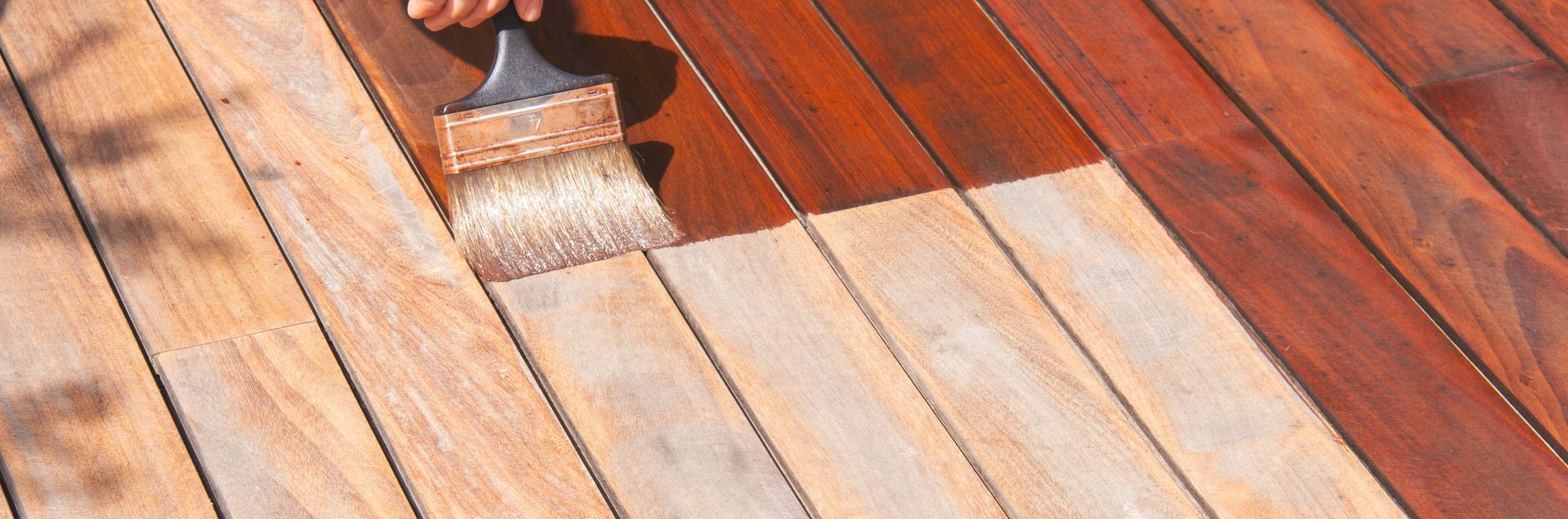
Learn More About Teak Wood & Its Maintenance
Posted on January 30, 2026



Why Teak Is Naturally Durable
Teak is prized for outdoor furniture and architectural elements because it naturally contains a high concentration of protective oils. These oils make teak resistant to moisture, rot, insects, and decay, without relying on added coatings.
However, this same internal moisture and hydrostatic pressure make it difficult for stains and finishes to penetrate and adhere. As a result, many traditional wood finishes fail prematurely on teak, especially in outdoor or high-traffic settings.
Key takeaway:
- Teak is self-protecting by nature
- Its oils prevent deep absorption of most finishes
- Coatings often struggle to bond long-term
Finishes That Often Fail on Teak
Teak oils, varnishes, and polyurethanes are commonly used—but frequently misunderstood. Adding teak oils can interfere with the wood’s natural protection, leading to uneven color, mildew growth, and increased maintenance.
Film-building finishes like varnish or polyurethane may look beautiful at first, but when exposed to sun and moisture, they often crack, peel, or flake. Once they fail, repairs are uneven and usually require chemical stripping to fully remove.
Not recommended for exposed teak:
- Varnish
- Polyurethane
- Heavy film-building coatings
The “Do Nothing” Option (Yes, Really)
Leaving teak untreated is a valid and often smart choice. Over time, UV exposure and moisture will naturally turn teak from golden-brown to a silvery-gray patina. This change is cosmetic only and does not affect durability.
In fact, untreated teak often requires the least long-term maintenance. While it may not look “new,” it remains structurally sound and weather resistant for decades.
Why homeowners choose this option:
- No annual maintenance
- No peeling or finish failure
- Natural, timeless appearance
Maintaining Teak’s Golden-Brown Color
If you prefer teak’s original color, expect to commit to maintenance once or twice per year. No teak finish is permanent, and skipping upkeep can leave the wood looking worse than if it had been left untreated.
Before reapplying any teak oil or sealer, surfaces must be properly cleaned, brightened, sanded, and dried. Overapplication or multiple coats will cause problems—less is always more with teak.
Basic maintenance process:
- Clean with deck wash or bleach/TSP solution
- Brighten with oxalic acid (wood brightener)
- Let dry 48 hours
- Lightly sand (100–200 grit)
- Apply one thin coat of teak oil and wipe excess
Product Compatibility & Best Practices
Most oil, urethane, and polyurethane-based finishes are not compatible with each other. If switching products, all previous coatings must be fully removed using chemical strippers and neutralizers before refinishing.
If possible, reapplying the same product originally used can simplify maintenance and avoid stripping. In this case, additional sanding helps even out worn or patchy areas before oiling.
Helpful tips:
- Never apply multiple coats
- Never mix finish types
- Well-rated teak oils include:
- Star Brite Premium Golden Teak Oil
- Minwax Teak Oil

